Parker homes
Furnaces from Parker's boom years deserve a candid assessment of repair versus replacement.
- Age-based assessment
- Permit support
- HOA awareness
Furnace Repair in Parker serves a town of more than 58,000 people at roughly 5,900 feet, where many homes were built during rapid growth in the 1990s and 2000s. We find what failed, explain it simply and give the price before starting. For heater repair in Parker, call (983) 200-5821.
Littleton, Colorado
Serving Parker and southeast Douglas County

Parker began in 1864 as a stagecoach stop, the Pine Grove Way Station, later known as the Twenty Mile House. The settlement took the name of James Parker in 1882, when the railroad arrived. For most of the next century it was small. Then growth took over: the population was 290 in 1980, passed 5,000 by 1990, topped 23,000 in 2000 and reached 58,512 in 2020.
The town incorporated in 1981, and a large share of today's housing was built in the decades that followed. That timing matters for heating. Furnaces installed in the 1990s and 2000s are now twenty or thirty years old, with worn igniters, blower motors and control boards, and many homeowners are weighing repair against replacement.
Main Street still has the restored post office, the PACE center hosts concerts and exhibits, and Cherry Creek runs through town with a trail beside it. On each call we explain the fault, the cost and the options open to you.
Parker is a straight run southeast from Littleton, and its homes fall into a few predictable groups: older houses near the historic center, large 1990s subdivisions and newer neighborhoods on the edges. So the van is stocked sensibly and the estimate we quote by phone is realistic.
Good to know in Parker
Igniters, motors and boards are failing in large numbers, and some parts are harder to source.
Furnace and water heater replacement appears on the town's list of permit-required work, filed through eTRAKiT.
Older homes, including Victorian-era houses, and small businesses often have additions and mixed heating equipment.
These services reflect Parker's mix of aging growth-era furnaces, newer systems and commercial spaces.
A Parker furnace that hums along while rooms stay chilly usually has a lockout, clogged filter, dead igniter or poor airflow.
A gas odor or carbon monoxide alarm means walking out of the house immediately, then phoning Xcel Energy or 911.
Units installed in the 1990s and 2000s often use hot-surface igniters that are now past their expected life.
When burners ignite for a moment and then drop out, a coated sensor or choked airflow is the likely reason. The rod gets cleaned, the filter inspected and the high-limit switch verified.
Long summers of air conditioning use the same blower that heats in winter, so motors and capacitors see heavy duty. We test them under load rather than assuming.
Smart thermostats are popular across Parker, and a weak connection or a missing power wire can look like a furnace failure. We verify the thermostat before opening the cabinet.
Squealing belts of the past have given way to blower bearings, loose panels and ignition delays. We identify the source and explain what is cosmetic and what needs attention.
As equipment from Parker's 1990s and 2000s building boom reaches its second decade, a checkup can extend their service.
In townhomes and some additions, electric heat is the norm. Each element, sequencer, relay and breaker is tested in turn until the dead part is found.
Along Parker's retail and office corridors, heaters have to run reliably for customers and staff. Visits are timed around opening hours, with a short condition note on every unit.
In Parker, swapping a furnace is permitted work, and the application goes through the town's eTRAKiT portal.
Pick a service to see how we approach it here.
We follow the furnace through its sequence of operation until the step that fails appears.
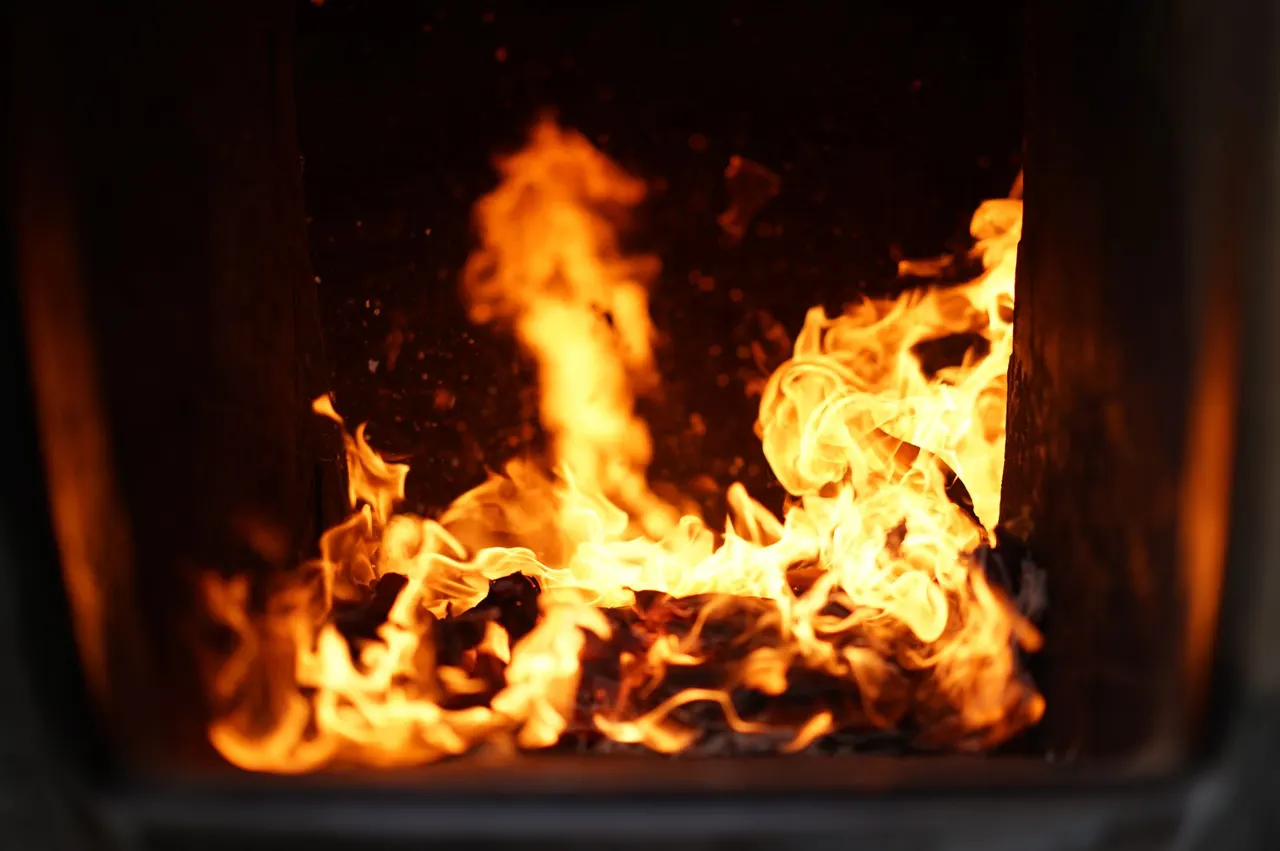
Get outside right away and call Xcel Energy or 911. We look at the furnace only after the home is cleared.
A tired igniter or slow gas valve is common in older furnaces, so we test both.
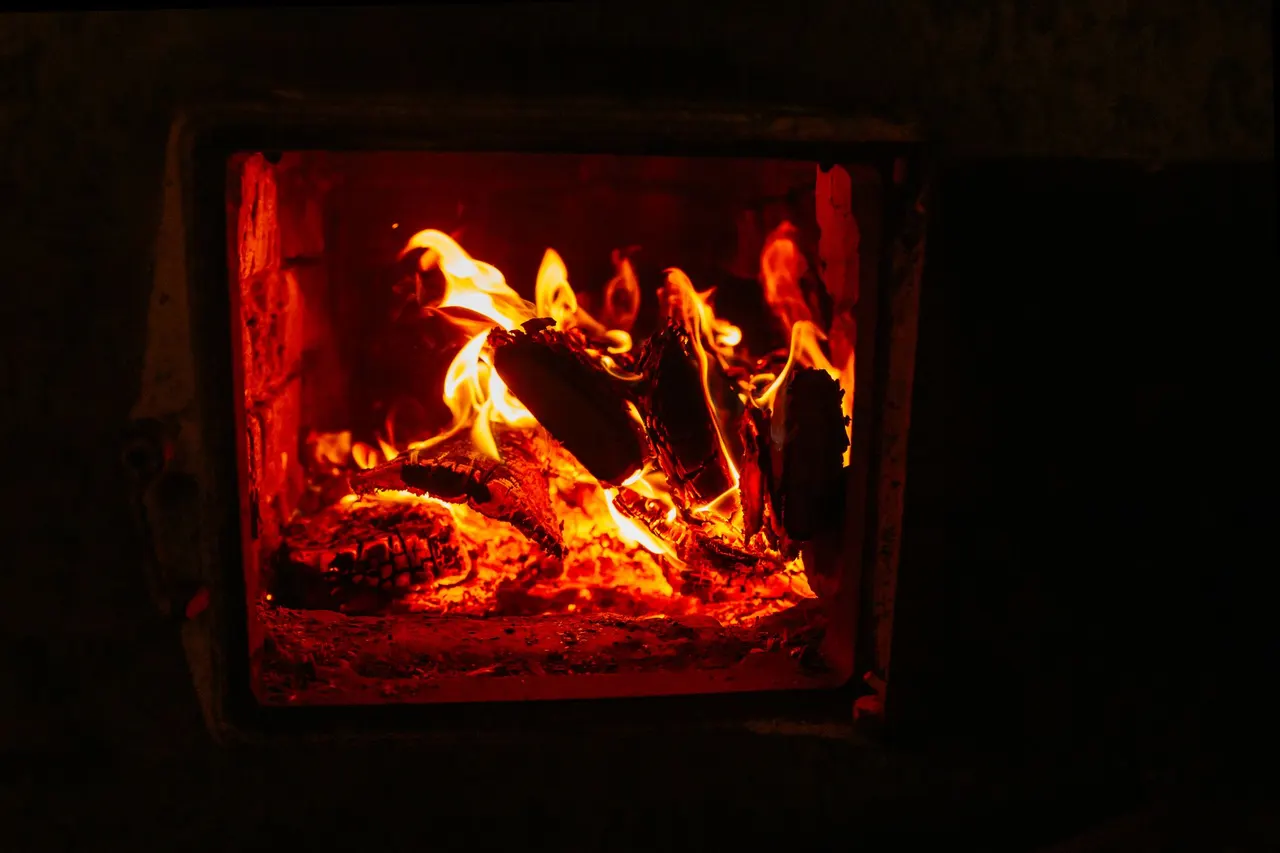
Typical culprits include a filmy sensor, a clogged filter or a tripped limit switch.
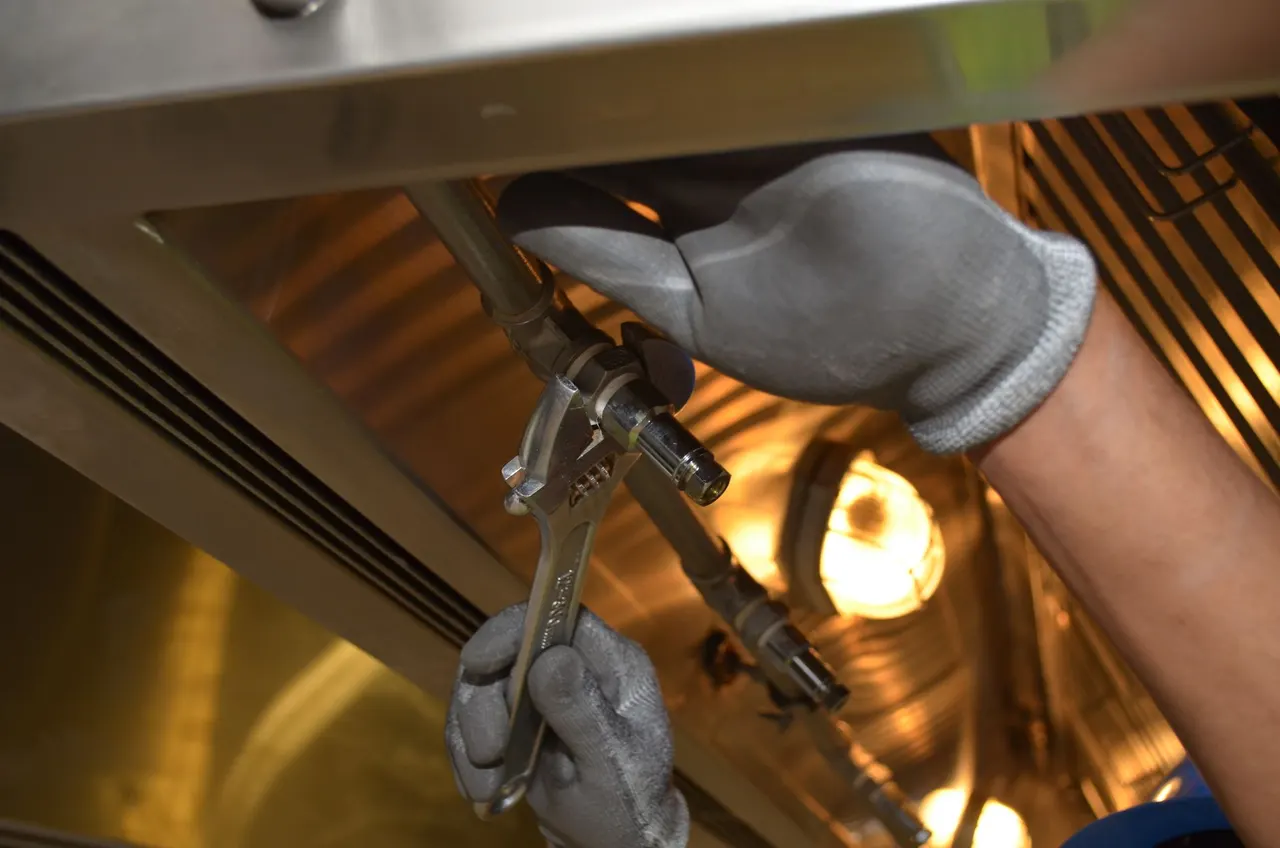
Parker calls come from 1990s subdivisions, historic Main Street and newer neighborhoods on the edges.
Furnaces from Parker's boom years deserve a candid assessment of repair versus replacement.
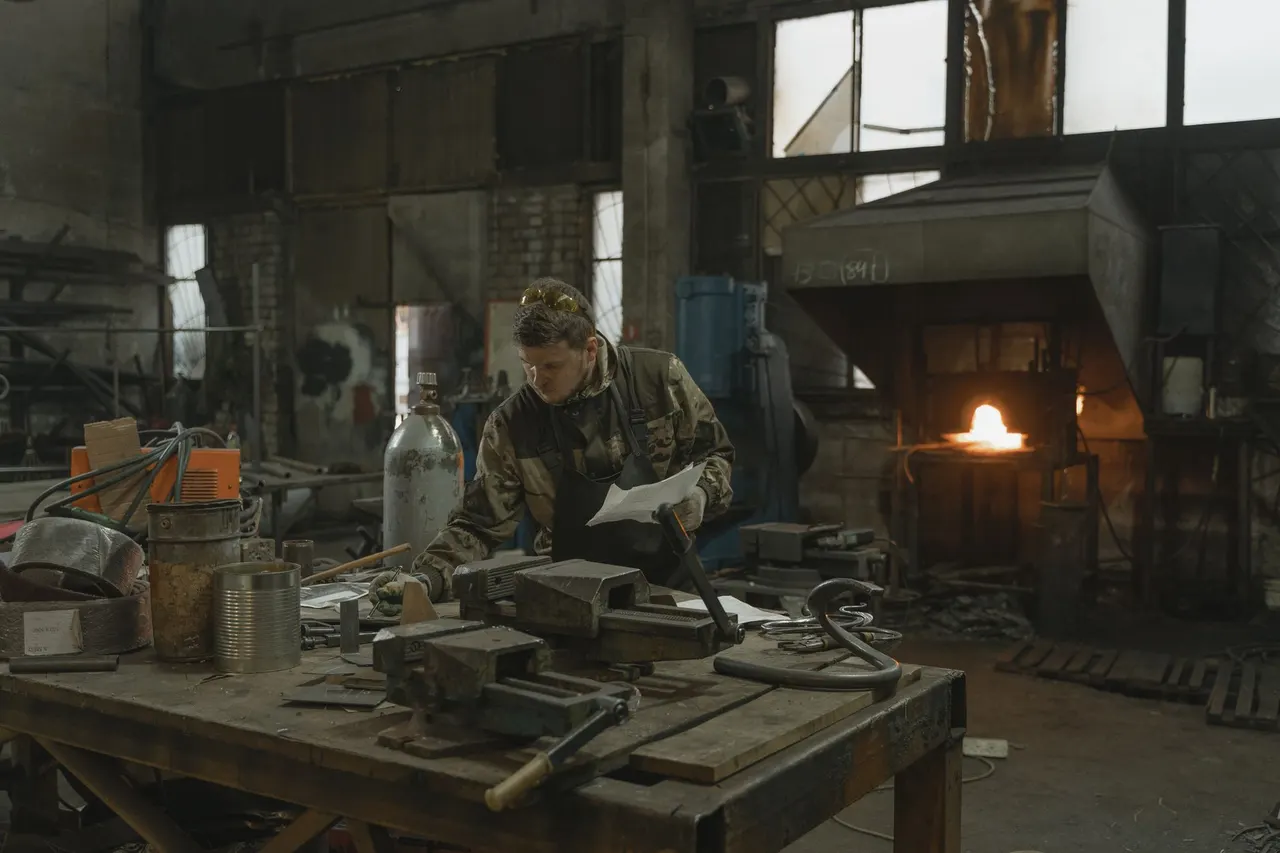
Retail and office tenants along the corridors depend on steady heat.
Housing age accounts for most of what we repair in Parker.
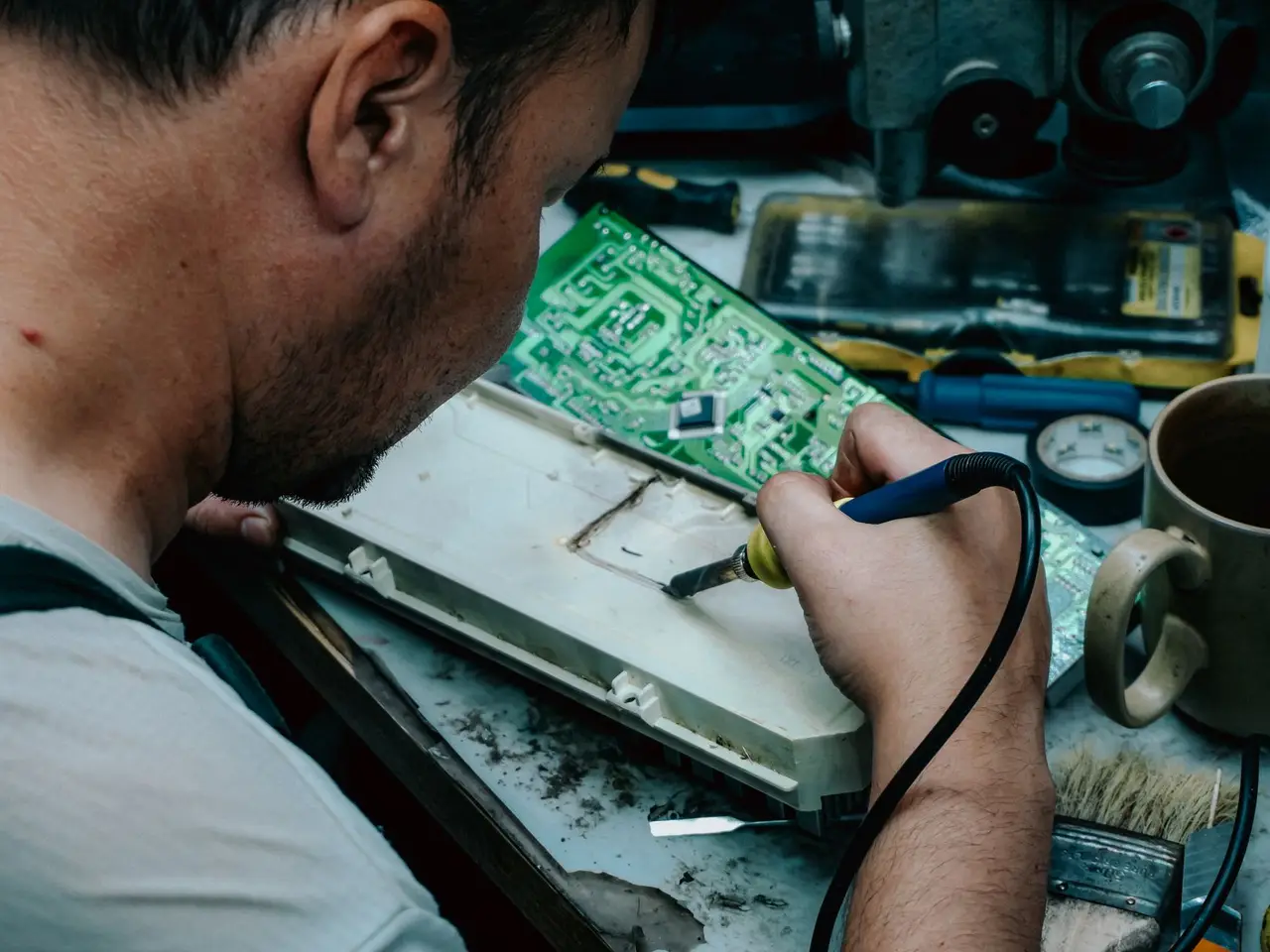
Components installed decades ago wear after thousands of cycles.
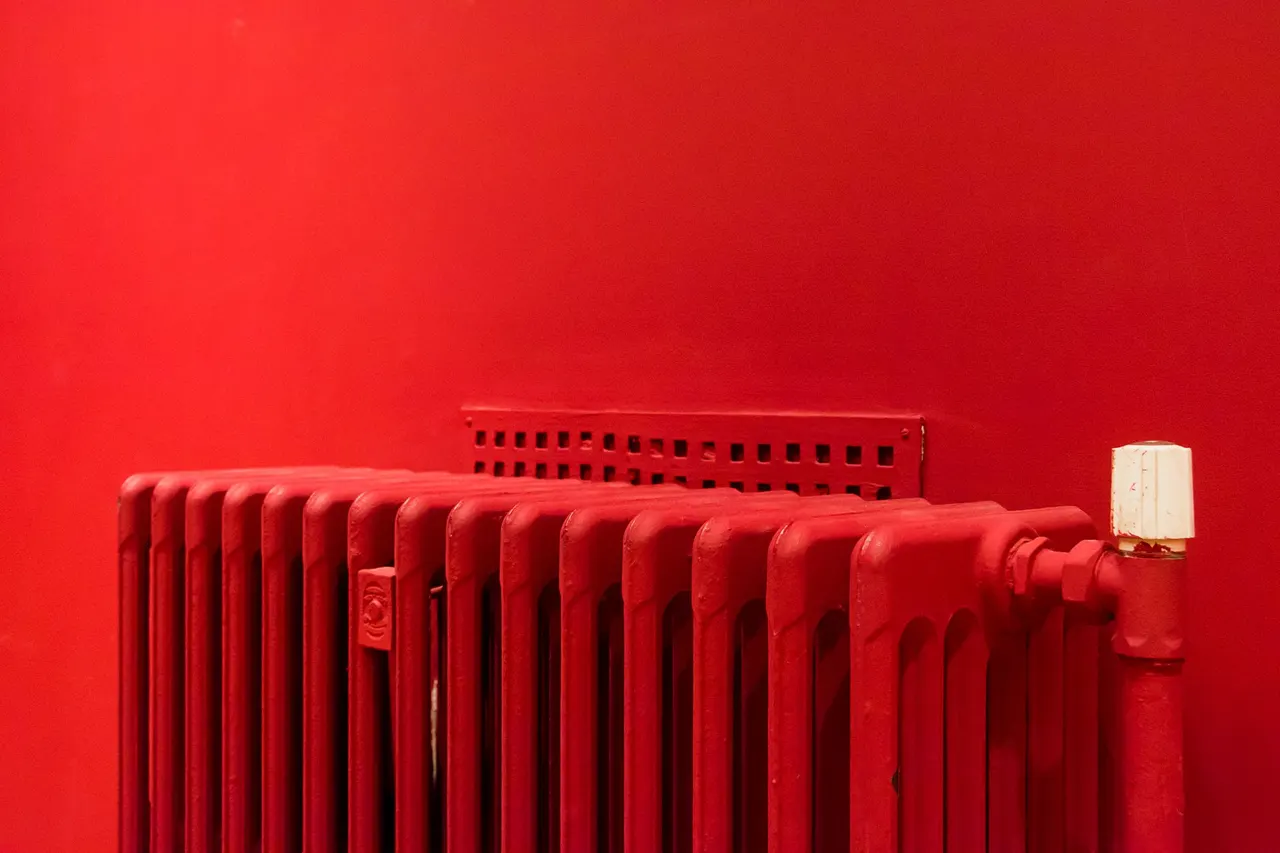
Years of heating and cooling put extra hours on the motor.
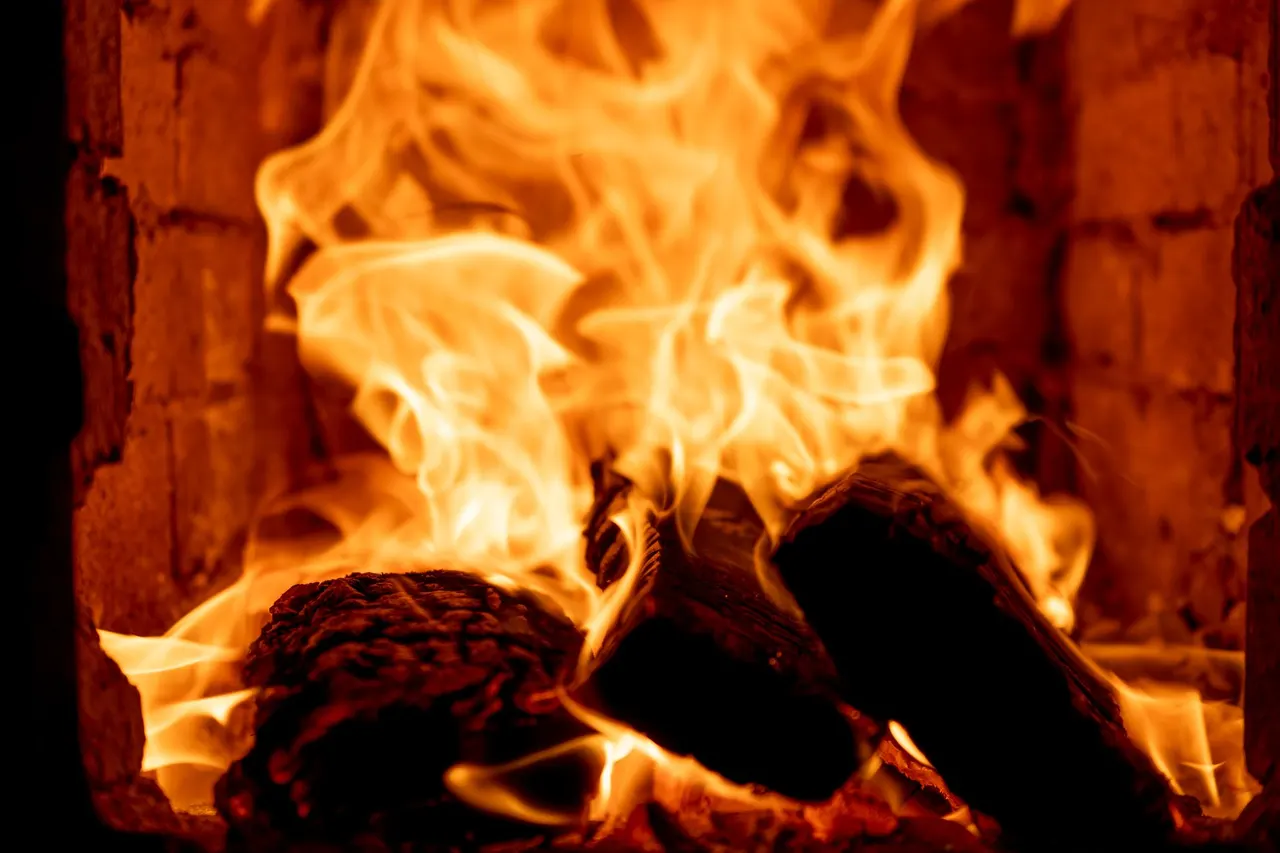
Dust builds up over the years when filters are neglected.
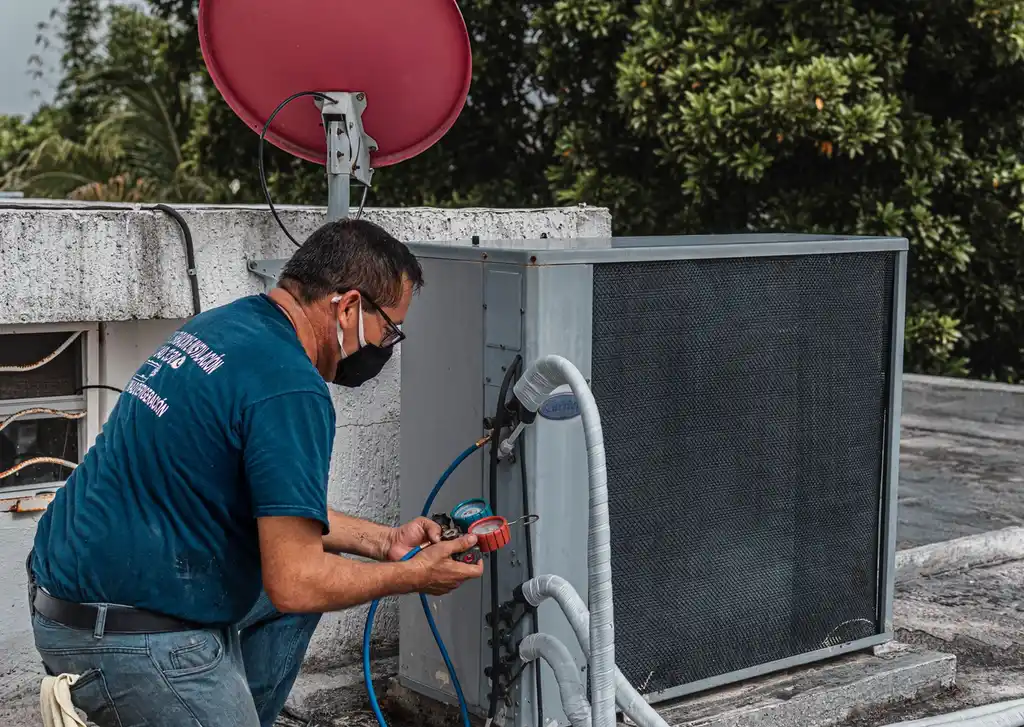
Remodels can leave undersized or damaged duct runs.
Slow starts, blower squeals and cold addition rooms are the common early warnings in Parker.
Any one of these is worth a call.
Nothing picked yet. Tap the signs you have noticed and this box will sum them up.
There is no price list here, because every job is different. These are the things that move an estimate most.
Older furnaces may have several worn parts, and some parts are harder to find.
Attic, crawlspace and tight closet installations add labor.
A replacement includes an eTRAKiT permit, an inspection and sometimes HOA review.
Landmarks like these help us pin down an address and map the drive.
Landmark
The restored post office just west of Parker Road marks the historic center.
Landmark
A well-known venue for concerts, classes and exhibits.
Landmark
A large indoor athletic facility that serves as a local reference.
Landmark
A trail along the creek that crosses the town.
Landmark
A large reservoir west of town, useful for locating newer neighborhoods.
Commercial area
Shops, restaurants and offices need dependable heat for customers.
Commercial area
Smaller storefronts often keep older heaters squeezed into tight spaces.
Transit
The principal north-south road through town.
Not listed? Call and we will tell you whether we can get to you.
Check my areaWide temperature swings on the plains mean furnaces work hard when they work.
Parker has several south-metro neighbors that we also cover from the same base.
Straight answers to what people ask first.
Yes. Furnace and water heater replacement is on the town's permit-required list, and the application is filed online through eTRAKiT.
Per the town, a request made before 4 p.m. is inspected the next business day, unless you are told differently when you book it.
It can be, if the heat exchanger is sound and the repair is modest. We explain the condition and the likely next failures so you can decide.
A weak igniter or a slow gas valve is a common cause. We test both before replacing anything.
If your furnace takes several tries to start, squeals or leaves rooms cold, call. We inspect it, point out what failed and settle on a price before any work.
Call (983) 200-5821 and describe the problem: a cold house, burners that light and go out, a flashing LED or a new sound. Keep your street address handy so we can confirm your county. For planned work such as yearly maintenance or pricing a new furnace, the contact form works too.