Furnace flame sensor and short cycling repair in Littleton
Furnace Flame Sensor & Short Cycling Repair in Littleton targets the furnace that starts, lights, and gives up too soon. Sometimes the flame dies in three to eight seconds. Sometimes the furnace runs a few minutes, shuts off and starts again, all day long. We measure the flame signal, check limits and airflow, and fix whichever one is ending the cycle early. Heater repair in Littleton for homes, condos and small shops.
Cycles timedFlame signal readTemperature rise measured
Time the shutdownCycle length decides where testing starts
Read microampsFlame signal measured before and after
Measure airflowStatic pressure and rise checked
Retest full cyclesSeveral cycles timed after the repair
What Flame Sensor and Short Cycling Repair Covers
Each visit covers both halves of the problem, flame proving and full-cycle shutdowns, because the symptom alone does not tell us which one you have. Each item below happens on every short cycling call. If the root cause is sizing or ductwork, we explain the options before any larger work.
Cycle timing
We time several heating cycles from light-off to shutdown, noting whether the burners or the whole furnace stops and how long each cycle lasts.
Flame signal reading
The flame sensor current is measured in microamps during a burn, and again after any cleaning or replacement, so the improvement is documented.
Sensor cleaning or replacement
The rod is cleaned with a fine abrasive pad, never sandpaper that leaves grit, or replaced if it is pitted, bent or has a cracked ceramic insulator.
Temperature rise and static pressure
We measure supply and return temperatures and duct static pressure to find overheating caused by restricted airflow.
Filter and blower check
The filter type and condition, blower wheel cleanliness and blower capacitor are checked, since each affects airflow and limit trips.
Homes and businesses.
The approach is the same for a home and a business. What changes is the access, the schedule and who needs the paperwork.
Homes and condos
A furnace that keeps stopping leaves rooms uneven and wastes gas. We find out whether the flame, a limit or the thermostat is ending each cycle, then fix that cause.
Flame lights and dies in seconds
Furnace stops every few minutes
Closet unit feels hot
Shops and offices
Short cycling in a commercial space drives up gas bills and leaves work areas uneven. We time the cycles, test the unit and walk the owner or property manager through the repair.
Rooftop unit cycling rapidly
Shop heater cutting out
Office zones uneven
Furnace Flame Sensor & Short Cycling Repair in Littleton Explained
A plain-language look at what Furnace Flame Sensor & Short Cycling Repair involves and when it is needed.
Furnace Flame Sensor & Short Cycling Repair in Littleton is a measured troubleshooting job that stops a furnace from ending its heating cycle early. Two separate problems share this page because homeowners describe them the same way. The first is a flame proving failure: the control board sends a tiny current through the flame sensor rod, and if it reads too few microamps, usually under about 1 to 2, it shuts the gas off within seconds. The second is true short cycling, where the whole furnace runs only two to five minutes before an overheated limit, an oversized furnace or a thermostat issue stops it.
Both problems show up often in Littleton during November and December. Flame sensors collect a thin oxide layer from combustion, and that coating builds faster when dust from a dirty filter or remodeling reaches the burners. Short cycling is common in condos and townhomes where closet furnaces have small returns, and in older ranch homes where a replacement furnace was sized larger than the duct system can handle. When your Littleton furnace keeps cutting out early, the first job is telling which of these you have, since the fixes are completely different.
How long a furnace runs before it quits tells you whether the flame or the airflow is the problem.
What it is
Repair of furnaces that end heating cycles early, from flame sensor faults to overheating and limit trips.
When you need it
Burners light and die within seconds, or the furnace runs only a few minutes before stopping.
What to expect
Cycle timing, a flame signal reading, airflow checks, a quoted repair and timed cycles afterward.
How We Diagnose Short Cycling
The first goal is timing. We watch exactly when the furnace shuts down and what happens right before, because a shutdown at eight seconds and a shutdown at four minutes point to different parts. A typical visit runs one to one and a half hours.
Time the cycle
When you call, tell us roughly how long the furnace runs before stopping and whether the burners go out while the blower keeps running. Mention any blinking light pattern. On site, we time several cycles with a watch to confirm the pattern before touching any part.
Run time
LED code
Pattern
Read the flame signal
With a meter in series with the flame sensor, we read the microamp signal during a burn. A strong signal rules out the sensor. A weak or falling signal points to a coated rod, a poor ground, a cracked ceramic or a flame that does not fully cover the sensor.
Microamps
Ground
Rod
Check limits and airflow
We compare air temperature gain with the rating plate and read duct pressure with a gauge. If the furnace is tripping its high limit, the cause is usually a dirty filter, closed registers, a dirty blower wheel or an undersized return.
Rise
Static
Filter
Check the thermostat side
Thermostat placement, anticipator or cycle settings and loose wiring can also end cycles early. We check where the thermostat is mounted, its cycle rate setting and the wire connections at both ends.
Placement
Settings
Wiring
Repair and verify
After cleaning or replacing the sensor, correcting airflow or adjusting settings, we time several full cycles again and confirm the flame signal and temperature rise are in range. You get a note with the before and after readings.
Retime
Readings
Note
Tools Used for Short Cycling Diagnosis
Move across a circle, or focus it and press Enter, for an illustrative thermal view of the photograph.
Microamp meter
Reads flame rectification current through the flame sensor during a burn, the single most important measurement for flame proving faults.
Static pressure gauge
Reads total external static pressure so we can spot restricted returns, dirty filters or undersized ducts behind overheating.
Supply and return thermometers
Show how many degrees the air gains crossing the heat exchanger, compared with the allowed range on the furnace label.
Fine abrasive cleaning pad
Removes oxide from the flame sensor rod without scratching it deeply or leaving grit that would worsen the signal later.
Thermal views are illustrative, generated from the photographs.
Methods
Timing-based diagnosis
We time the shutdown before anything else. Under ten seconds points to flame proving, several minutes points to limits or airflow, and irregular stops point to the thermostat or wiring.
Before-and-after signal readings
Flame current is recorded before and after sensor work. A cleaning that does not raise the signal tells us the real cause is grounding, sensor position or flame shape, not dirt.
Airflow measurement
Temperature rise and static pressure together show whether the furnace is moving enough air. That separates a restricted system from a failing limit switch.
Sizing review
When cycles stay short with good airflow and a strong flame signal, we look at furnace size relative to the house, since an oversized unit will short cycle regardless of maintenance.
Typical Short Cycling Calls
Coated sensor
A Heritage homeowner notices the furnace lights, runs for five seconds, shuts down and tries again three times before going quiet.
The flame signal reads under 1 microamp. We clean the oxide film from the sensor rod, tighten the ground connection at the burner assembly and retest, now reading well above the board minimum.
Outcome: The furnace holds its flame through full cycles and the lockouts stop.
Overheating split-level
A Southwest Littleton split-level furnace runs four minutes, stops, then restarts ten minutes later all day long.
Temperature rise is above the rating plate range and the filter is a restrictive pleated type in a too-small slot. We replace it with a lower-restriction filter, clean the blower wheel and confirm temperature rise drops into range.
Outcome: Cycles lengthen to 12 to 15 minutes, back rooms warm evenly and the limit switch stops tripping.
Closet condo
A Littleton condo owner with a hallway closet furnace hears it start and stop every few minutes on cold evenings.
We find a solid closet door with a small grille starving the return. We measure static pressure, recommend a louvered door or larger grille and replace the clogged filter in the meantime.
Outcome: With a better return path, the furnace runs longer cycles and the closet no longer gets hot to the touch.
HeritageSouthwest LittletonKetring Park area condos
Why Littleton Furnaces Short Cycle
Short cycling in Littleton has a few local patterns. Many homes built in the 1970s and 1980s have had their original furnace replaced with a larger one, sometimes sized by matching the old nameplate instead of calculating the home's heat loss. On original ductwork, those larger furnaces overheat and trip limits.
Condos and townhomes built in the 1980s and later often tuck the furnace behind a hallway door with a small return, which restricts airflow and causes the same limit trips. Dry Colorado air and fall dust also play a role, coating flame sensors and blower wheels faster when filters are not changed regularly.
At about 5,351 feet, furnaces deliver less heat than their sea-level rating, so temperature rise and gas pressure have to be checked against high-altitude values to judge whether a furnace is truly overheating. Our furnace short cycling repair in Littleton checks all of this, from the flame signal to the duct system.
Heritage: Homes here often have second-generation furnaces where flame sensor coating and filter neglect cause short burns and lockouts during the first cold weeks.
Southwest Littleton: Split-level homes with replaced, larger furnaces on original ductwork often show limit trips and four-minute cycles in December and January.
Ketring Park area condos: Closet furnaces with solid doors and small return grilles are prone to overheating and frequent cycling on cold evenings.
Dry air and fine dust common in Colorado falls: Dust reaching the burners speeds up flame sensor coating and clogs blower wheels, both common causes of short cycling.
Furnaces replaced with larger units on original ducts: Oversized furnaces paired with older, smaller ductwork overheat quickly and trip limits, producing short, frequent cycles.
Closet and attic installations in multi-family buildings: Restricted return air in tight spaces raises temperature rise and causes repeated limit trips.
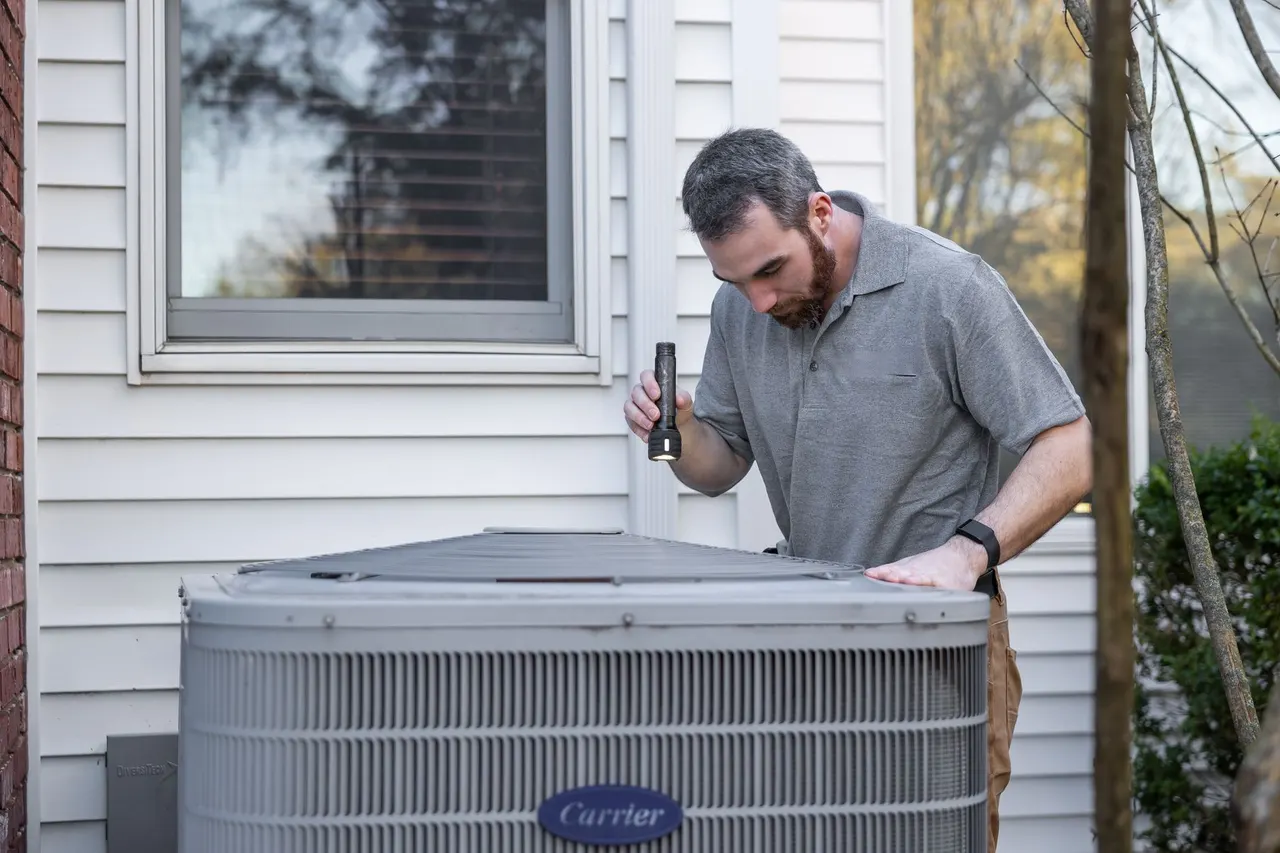
Technician times several cycles before opening the furnace
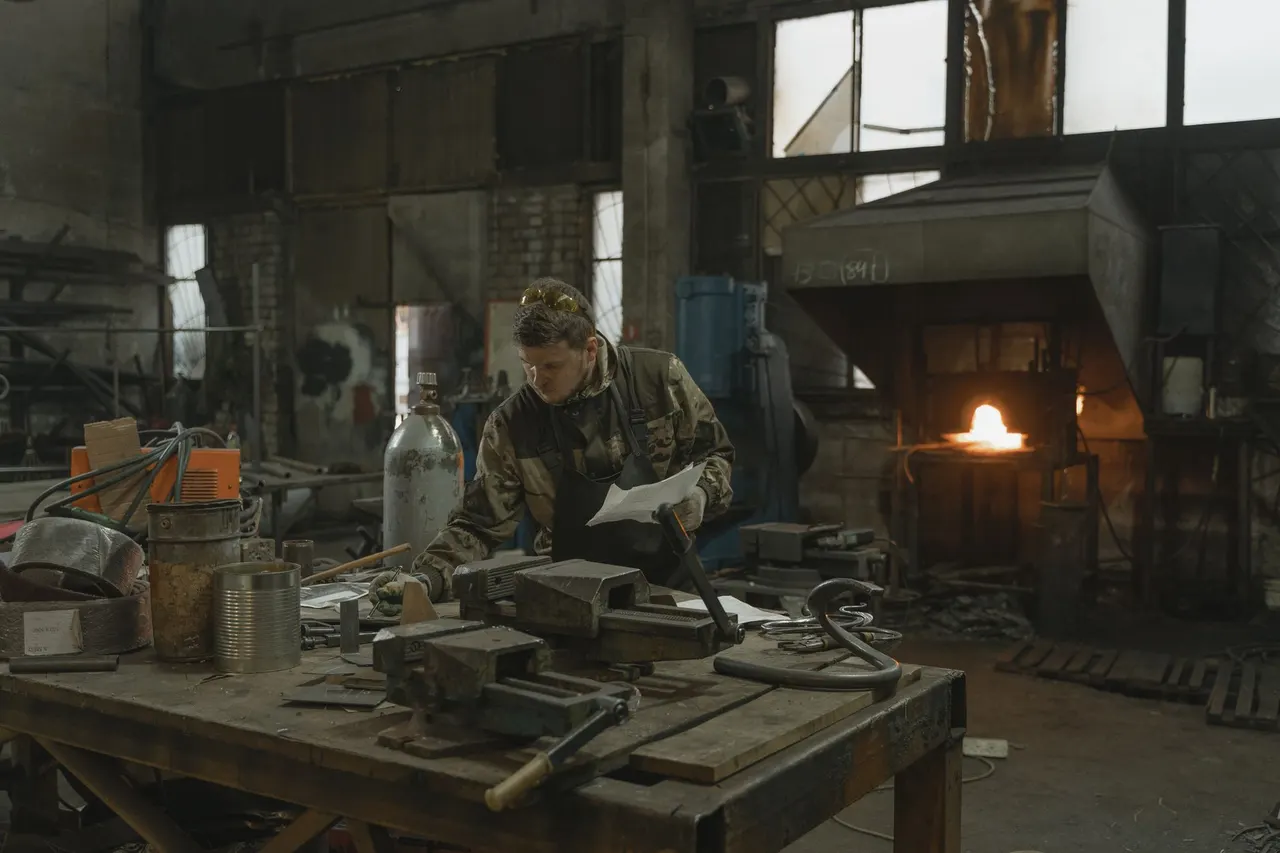
Floor protected and burner door opened for flame testing
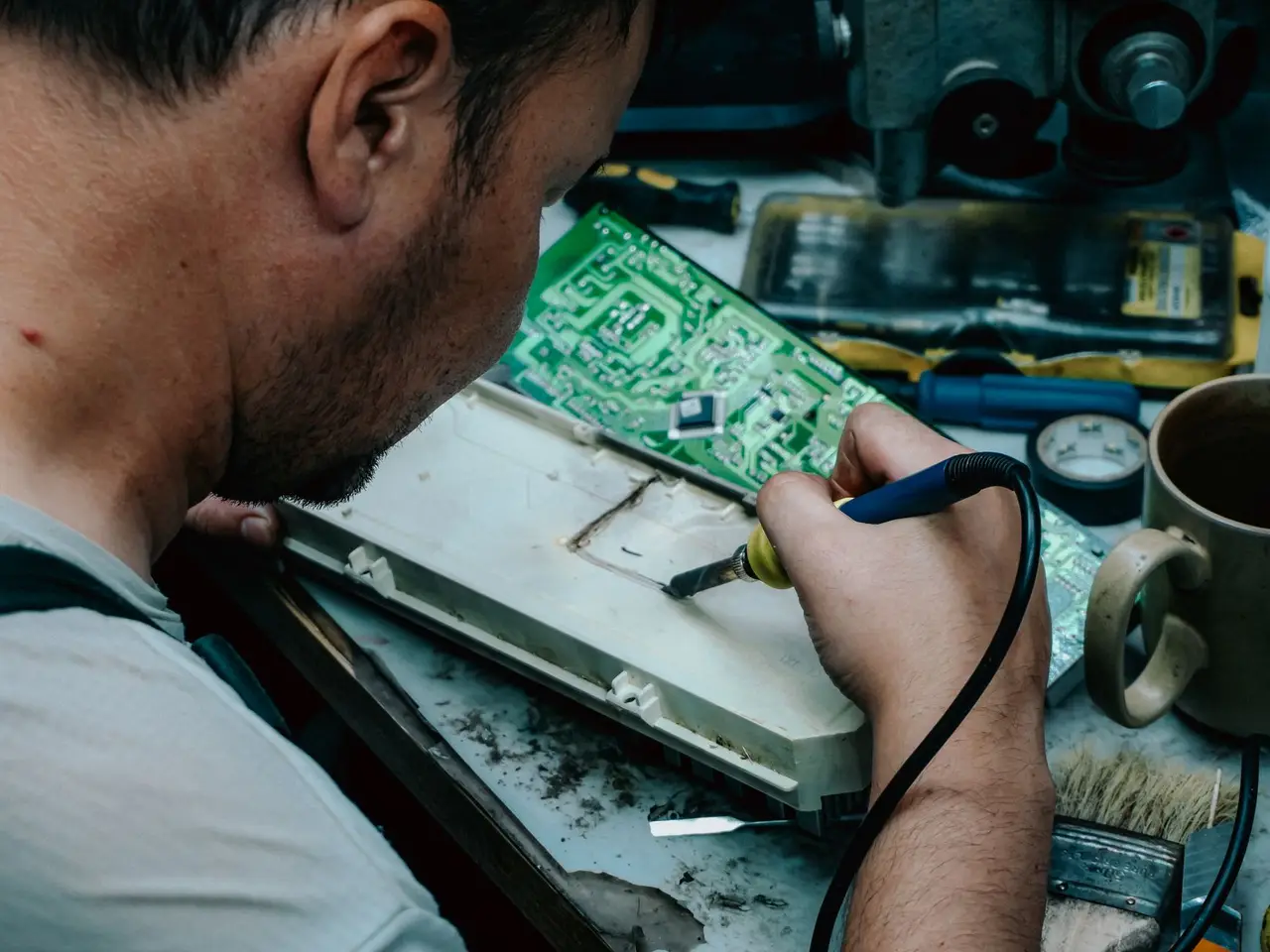
Cycles timed again and readings shared with you
From problem to finished result.
IllustrativeThe thermal view is generated from the photograph. It is not a measurement. Drag the handle, or use the arrow keys once it is focused.
Coated flame sensor in Heritage
Before: The burners lit and went out after about five seconds, three times in a row, then the furnace locked out for an hour. The flame signal read under 1 microamp.
After: After cleaning the rod and tightening the burner ground, the signal read well above the board minimum and the furnace held its flame through four full cycles.
Change the filter on schedule and have the sensor cleaned at each annual tune-up to prevent the oxide layer from building back up.
Overheating split-level in Southwest Littleton
Before: The furnace ran about four minutes, tripped its high limit and restarted later, all day long, with temperature rise above the rating plate range.
After: A lower-restriction filter, a cleaned blower wheel and a new capacitor brought temperature rise into range and cycles grew to 12 to 15 minutes.
Use the filter type recommended for your system and keep registers and returns open and unblocked.
Closet furnace in a Littleton condo
Before: The closet furnace cycled every few minutes on cold evenings and the closet door felt hot to the touch.
After: With a louvered door installed and a fresh filter, static pressure dropped and the furnace ran full, quieter cycles.
Leave the closet empty around the unit and look at the filter monthly during heavy use.
Fixing a Furnace That Keeps Shutting Off in Littleton
Short cycling has a handful of usual causes in Littleton homes, and each one has a recognizable pattern. Here are the ones we fix most often, what happens if they are ignored and how each repair works.
Dies in secondsBurners light, then go out within three to ten secondsThe furnace retries several times, then sits in lockout for sixty minutes or longer, leaving the house cold and wearing out the igniter with every attempt. We read the flame signal, polish or swap the sensor, inspect the ground wire and burner grounding, and confirm the flame fully contacts the rod. The signal is measured again to prove it is healthy.
Limit tripsFurnace runs three to five minutes, then shuts off while the blower continuesRepeated high limit trips stress the heat exchanger and leave rooms uneven, with back bedrooms staying cold. We check how hot the supply air gets and how hard the blower is pushing, replace a clogged filter, clean a dirty blower wheel and check the blower capacitor. If the return is undersized, we explain the duct change that would solve it.
Closet cyclingCloset furnace in a condo cycling every few minutesTight closets with small louvered doors starve the furnace of return air, so it overheats and cycles, raising gas use and noise. We check the filter size and return path, measure airflow and recommend a larger return grille or a filter better matched to the closet. Repairs are coordinated with HOA rules where the work touches shared spaces.
Oversized furnaceFurnace short cycles because it is too big for the houseAn oversized furnace heats the air near the thermostat quickly and shuts off before the rest of the house warms, wasting fuel and wearing parts. We check the furnace size against the home and its duct system. Thermostat settings can help in the short term, and we explain when a correctly sized or two-stage furnace is the real long-term fix.
Results of Fixing Short Cycling
Longer, steadier cycles that warm every room evenly.
Full, steady heating cycles
Once the cause is fixed, the furnace runs long enough to warm the house evenly, often 10 to 15 minutes or more per cycle in cold weather, instead of a string of two-minute bursts that leave cold spots in back bedrooms.
Less wear on ignition parts
Every extra start uses the igniter, inducer and board relays. A furnace that short cycles can start three or four times as often as it should, and fixing the cause stretches the life of those parts considerably.
Lower gas use
Each start includes a warm-up period that delivers little heat. Fewer, longer cycles spend more time at steady-state efficiency, which shows up on your Xcel Energy bill over a full Littleton winter.
A safer heat exchanger
Short cycling caused by overheating stresses the heat exchanger with rapid expansion and cooling. Restoring proper airflow and temperature rise reduces that strain and lowers the risk of the cracks that lead to replacement.
What a written scope covers.
What a written scope covers and what shapes it. Prices are set by the business after the first look.
A furnace that shuts off three to ten seconds after lighting usually cannot prove the flame, most often because the flame sensor rod is coated with oxide. Other causes include a poor ground, a cracked sensor ceramic, reversed polarity on the power supply or a burner flame that does not touch the rod. Measuring the microamp signal shows which one it is.
Yes, an oxide-coated sensor rod is a leading reason for very short cycles, where the burners light and go out within seconds. It is not the cause when the furnace runs several minutes before stopping. That longer pattern usually points to overheating from poor airflow, a limit switch problem or a thermostat issue instead.
During a Littleton cold spell, a correctly matched furnace tends to stay on for 10 minutes or more at a stretch, and two to three cycles per hour is typical. Cycles under five minutes, repeated many times an hour, are a sign of short cycling. Two-stage furnaces may run longer, quieter low-fire cycles, which is normal operation.
It is usually safe for a short time, but not something to ignore. Short cycling from a weak flame signal mostly wastes gas and wears parts. Short cycling from overheating is more serious, because repeated limit trips stress the heat exchanger. If the furnace smells hot, trips often or you see scorch marks, turn it off and call.
Stop the Shutdowns With Short Cycling Repair in Littleton
Tell us how long your furnace runs before it quits and whether the flame goes out or the whole unit stops. We time the cycles, measure the flame signal and airflow, and fix the real cause at a price you approve up front.
Call (983) 200-5821 and describe the problem: a cold house, burners that light and go out, a flashing LED or a new sound. Keep your street address handy so we can confirm your county. For planned work such as yearly maintenance or pricing a new furnace, the contact form works too.