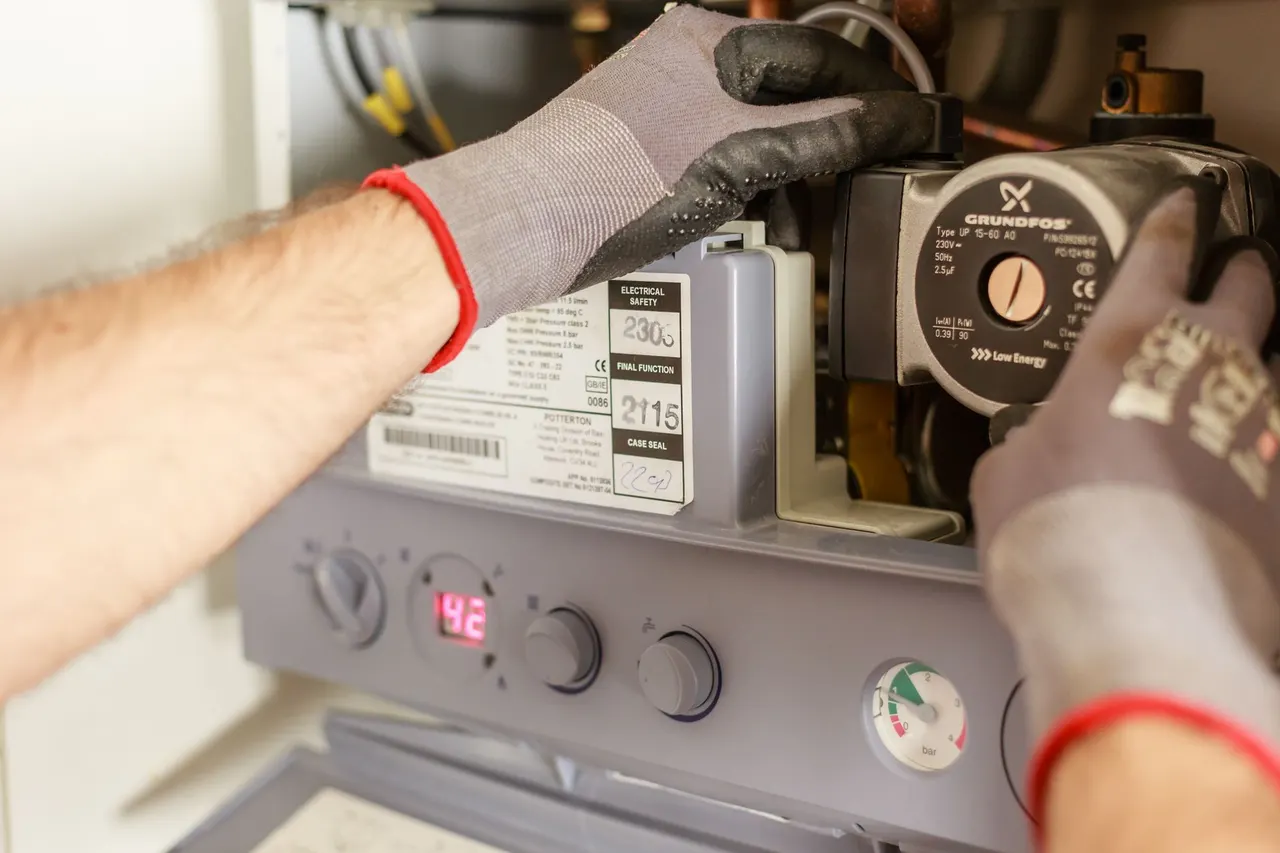
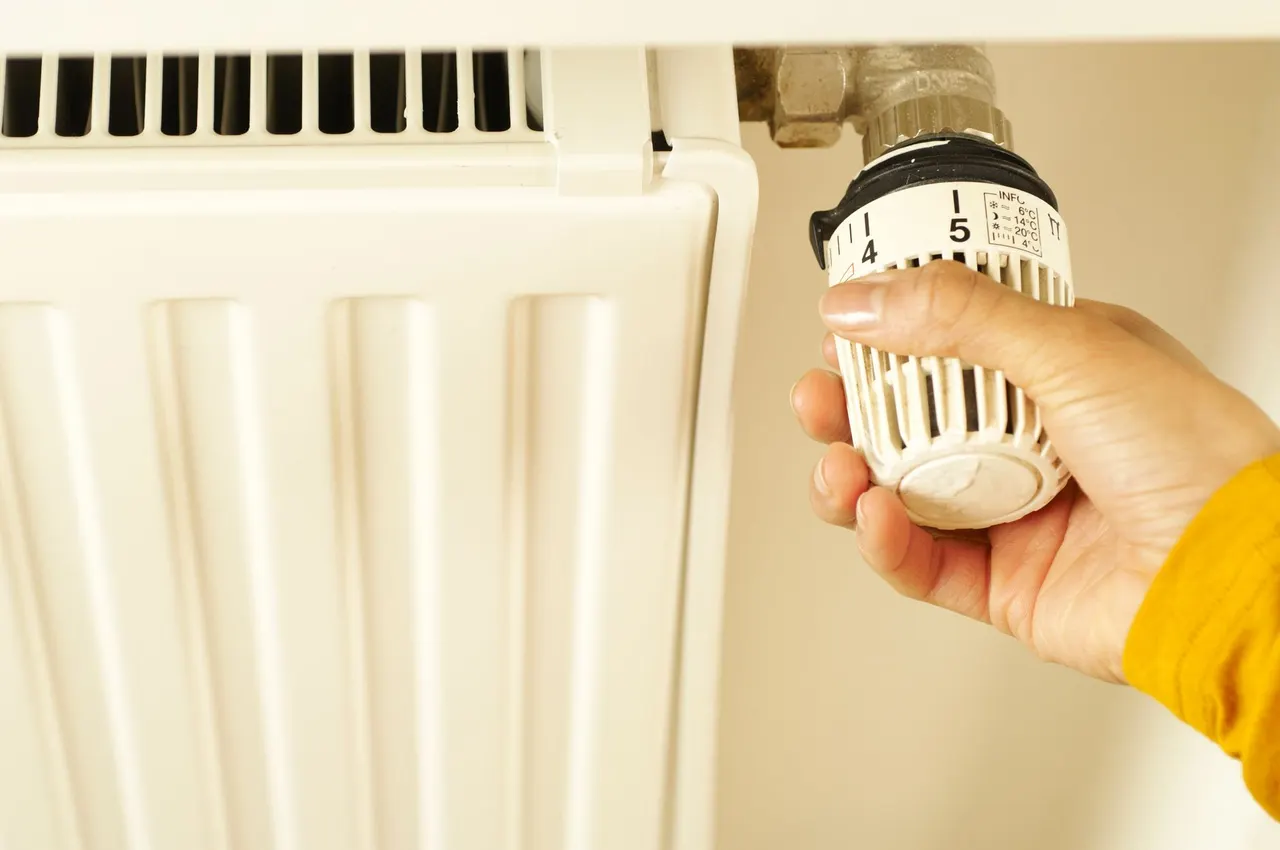
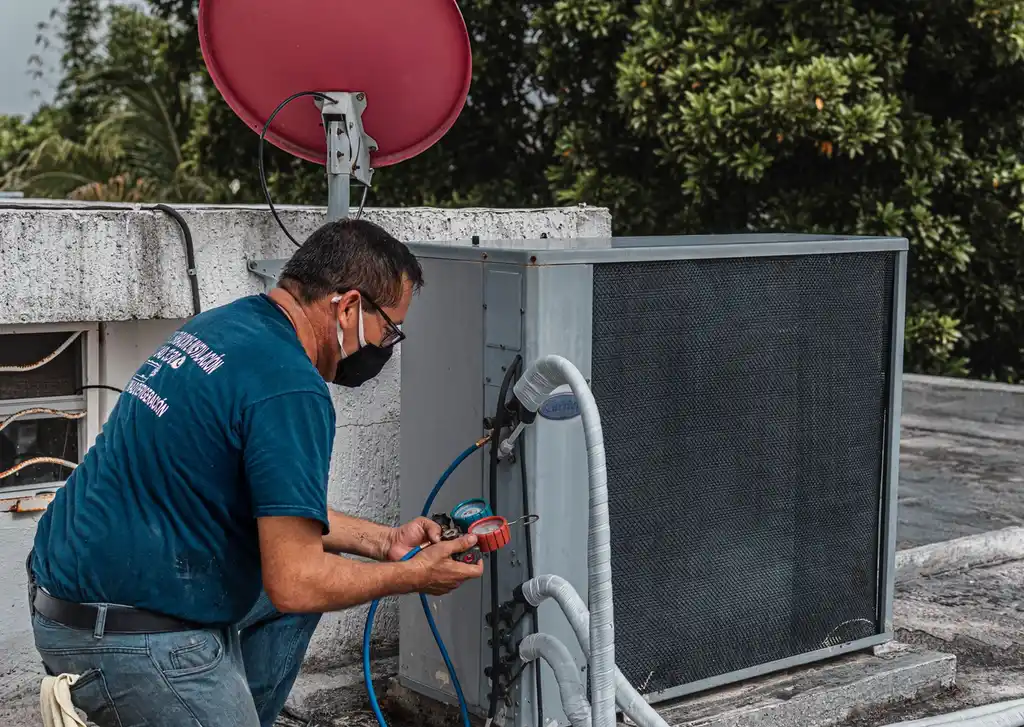
Furnace Repair in Centennial is the work of finding out why a Centennial furnace has stopped heating, started cycling oddly, gotten louder or begun to smell or trip alarms, then correcting that specific cause. Centennial became a city in 2001, but most of its houses are older than the city itself.
West of I-25, around Southglenn and the University Boulevard corridor, many neighborhoods date to the 1970s, with split-level and ranch homes whose furnaces sit in basements or lower-level utility rooms. Central and east Centennial filled in through the 1980s and 1990s with larger two-story homes, finished basements and, in some cases, two-stage furnaces with zoning.
Townhome and patio-home communities add attic and closet installations governed by HOA rules. That spread of ages means a heater repair in Centennial can involve a 40-year-old ductwork layout one day and a communicating control board the next. Our approach stays the same: measure first, explain the fault in plain terms and give a price before the work starts.
Many Centennial homes also sit near 5,800 feet, so altitude-correct gas pressure is part of every repair.
Centennial wraps along Littleton's eastern edge, and Arapahoe Road, Dry Creek Road and County Line Road all connect the two cities, so its western neighborhoods are minutes from our base and its eastern ones are a straightforward drive on Arapahoe Road or C-470. The city is large, with tens of thousands of single-family homes, and a big share of them were built in the same two or three decades.
Furnaces installed during the 1990s and 2000s replacement wave are now aging out together, which produces steady no-heat and replacement calls every winter. The business districts along Arapahoe Road, Dry Creek Road and around Centennial Airport add commercial heating needs as well.