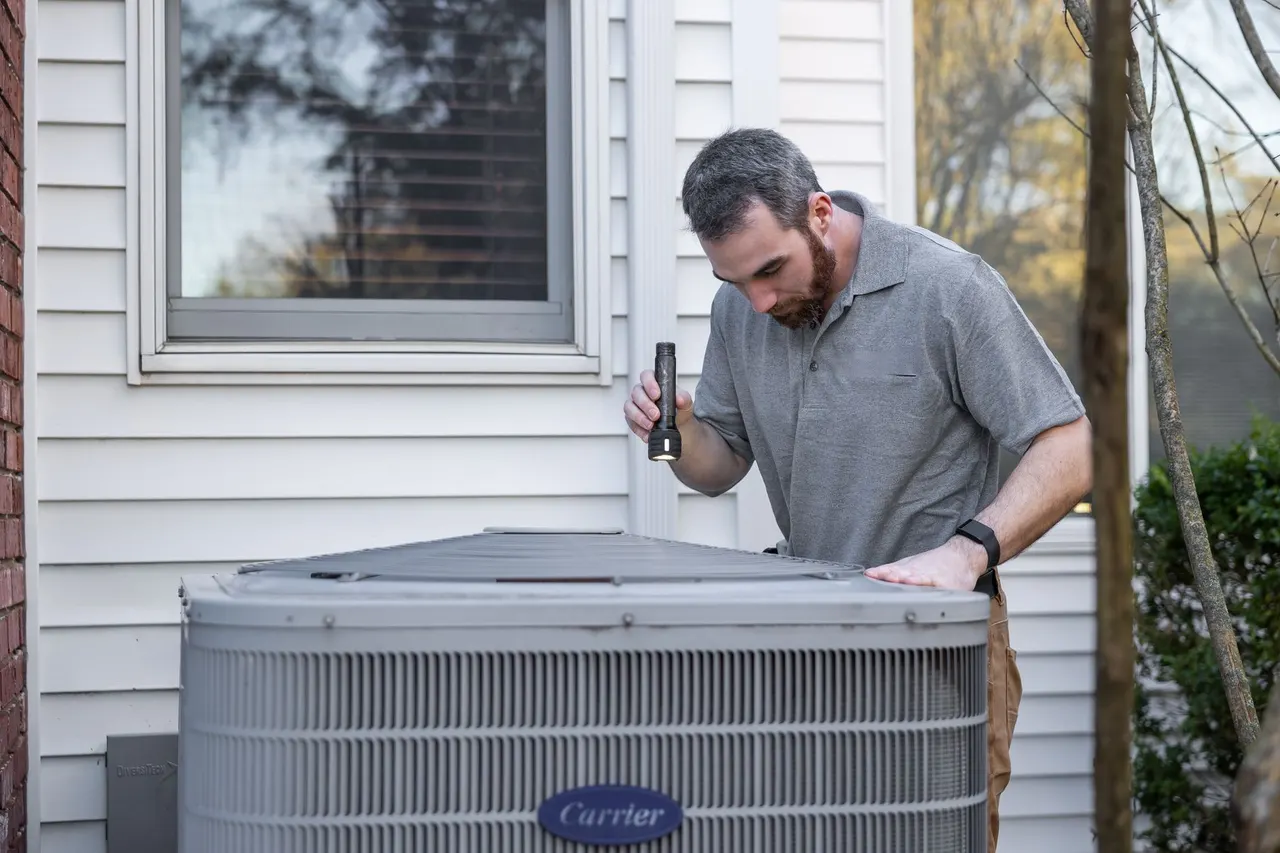
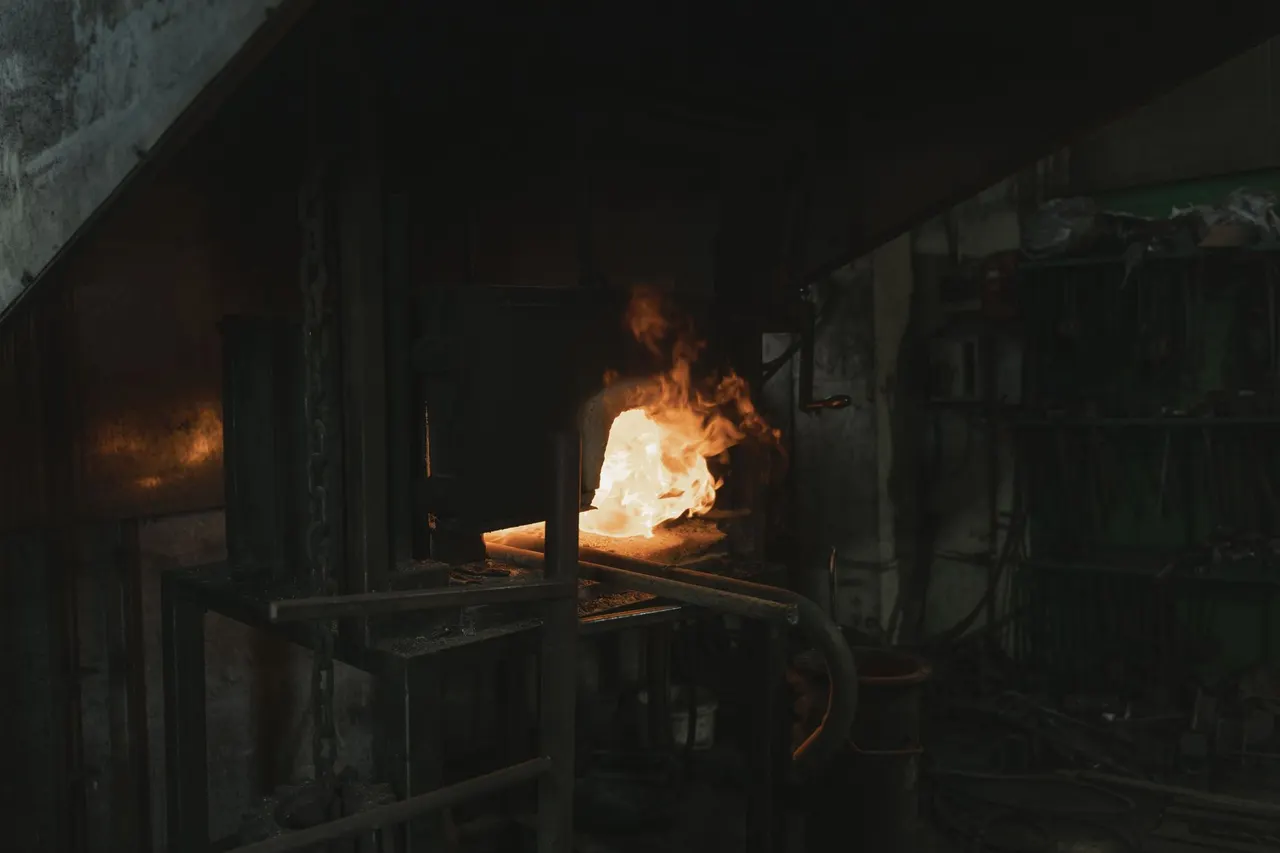
Electric furnace repair in Littleton for condos and townhomes
Electric Furnace Repair in Littleton is for homes and condos that heat with electricity instead of gas. When an electric furnace or air handler blows lukewarm air, trips its breaker or runs without warming the room, the cause is usually one failed element, sequencer, relay or limit switch. We measure each stage, replace what failed and confirm full heat output. Heater repair in Littleton for electric systems of every age.
Element current measuredLimits testedConnections inspected
Measure each stageAmp draw read on every element
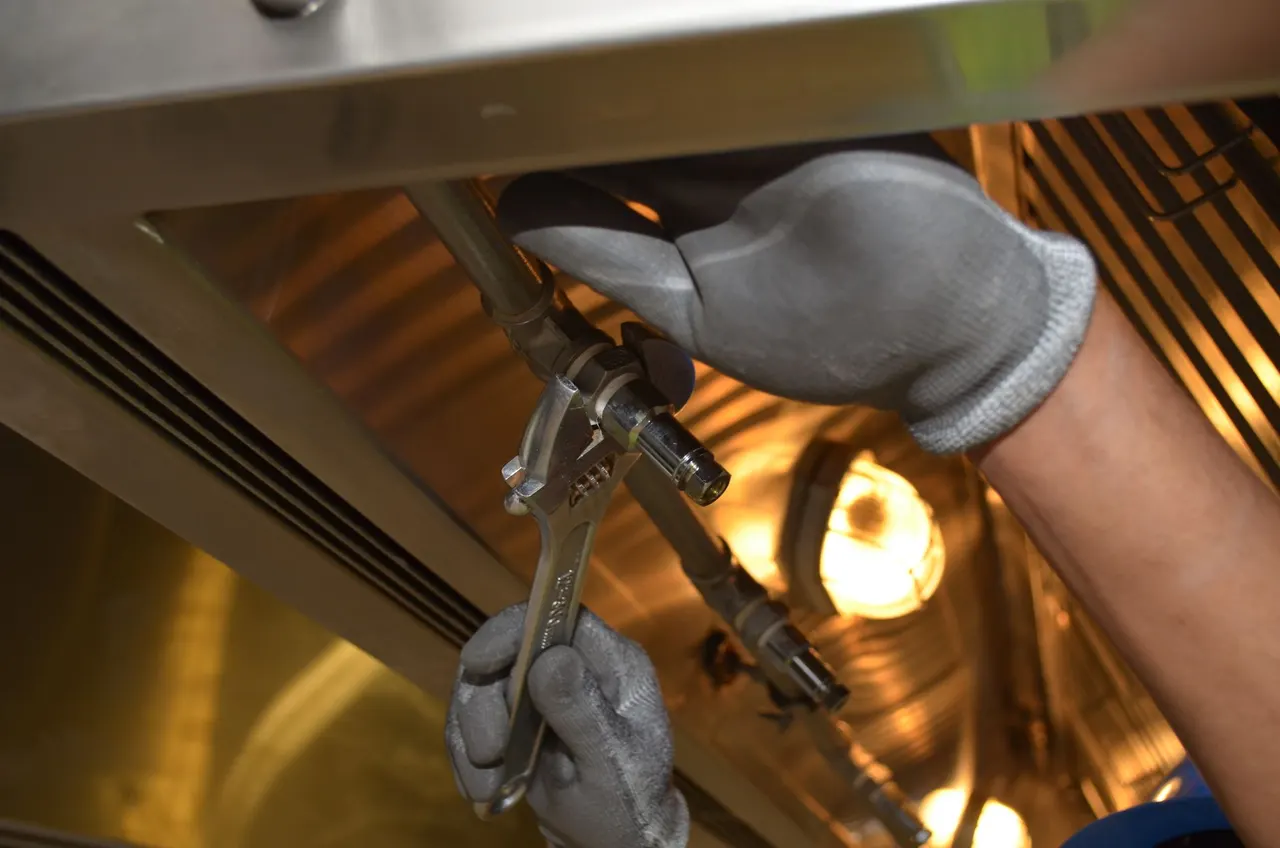
Lock out powerBreakers secured before component tests
Tighten connectionsHigh-current terminals checked for heat
Verify stagingElements confirmed on in sequence
What Electric Furnace Repair Includes
Every electric furnace visit covers the heating elements, the controls that stage them and the high-current wiring that feeds them. Each repair includes the five checks below. Larger electrical work, such as a panel upgrade, is explained and priced separately.
Element current check
Amp draw is measured on each element circuit during operation to identify any stage that is not heating.
Element and limit test
With power locked out, elements are tested for resistance and limit switches and fusible links for continuity.
Sequencer and relay test
Staging controls are tested to confirm they bring elements on and off in the correct order and timing.
Wiring and breaker inspection
Breakers, lugs and terminals are inspected for heat discoloration, looseness and corrosion, and connections are tightened.
Airflow and blower check
The filter, blower motor and capacitor are checked, and temperature rise is measured after the repair.
Homes and businesses.
The approach is the same for a home and a business. What changes is the access, the schedule and who needs the paperwork.
Condos and townhomes
Electric furnaces in condos and townhomes often lose one element at a time. We measure each one, replace what failed and make sure every connection is safe.
Lukewarm air from vents
Breaker trips on heat call
Backup heat not engaging
Small commercial spaces
Some offices and shops use electric heat or electric strips in rooftop units. We test each stage, inspect wiring and go over the findings with the owner or manager.
Electric heat in office suites
Rooftop electric strips failing
Tripping heater circuits
Electric Furnace Repair in Littleton, How It Works
A plain-language look at what Electric Furnace Repair involves and when it is needed.
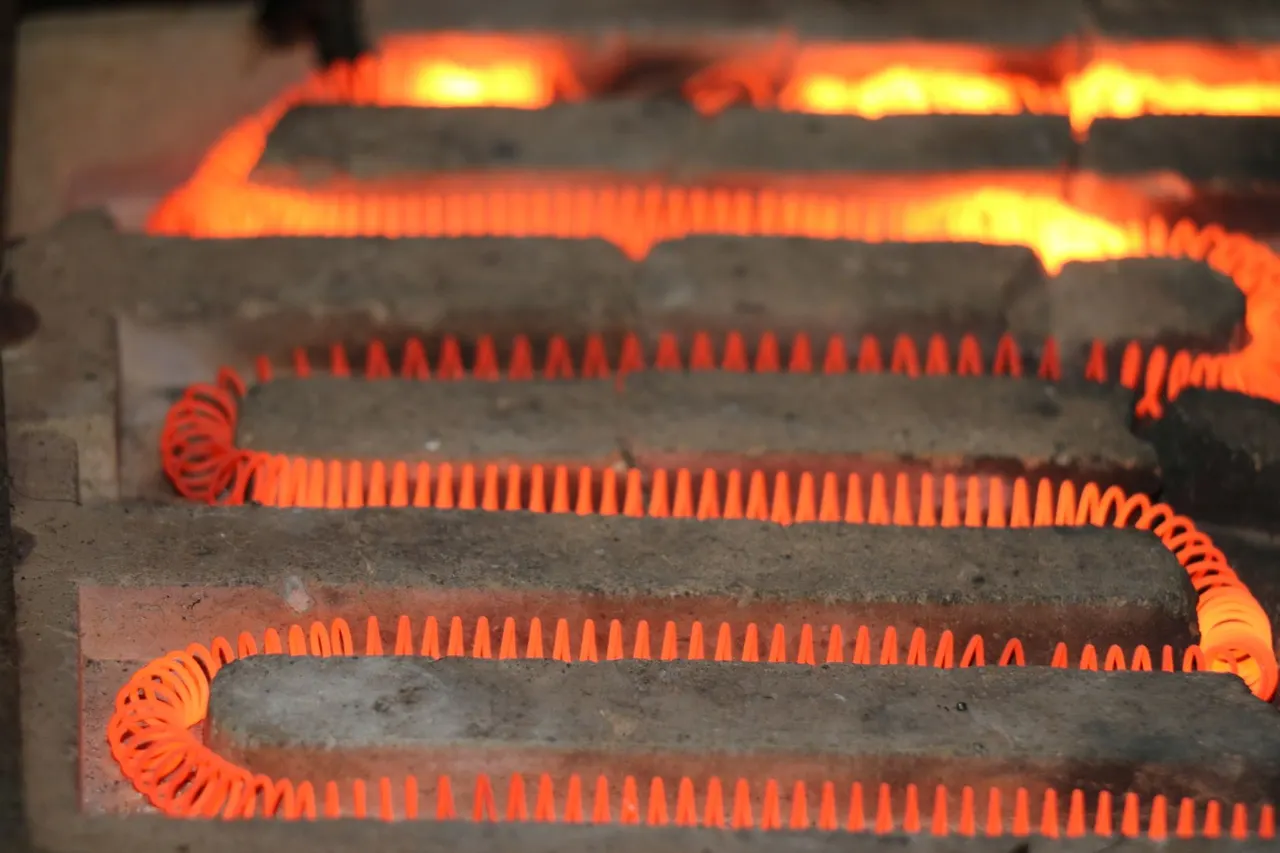
Electric Furnace Repair in Littleton fixes furnaces and air handlers that warm the house with resistance elements rather than a gas flame. Most residential electric furnaces have two to four elements, each rated around 4 to 5 kilowatts, switched on in stages by sequencers or relays. Each element has its own limit switch and often a fusible link that opens if the element overheats. A blower pushes air across the hot elements and into the ducts. When an element, sequencer, relay, limit or breaker fails, the furnace still runs but delivers less heat or none at all.
Electric furnaces are common in some Littleton condos, apartments and townhomes, especially buildings without gas service to each unit, and in homes where a heat pump uses electric strips as backup heat. These systems draw large current, often 40 to 100 amps across several circuits, so loose connections and worn breakers are frequent problems. In the coldest weeks, all elements run nearly nonstop, which exposes weak parts quickly. If you are searching for electric furnace not heating in Littleton, the most common cause is one element or sequencer that has quietly failed while the others keep running.
An electric furnace that still runs can be missing half its heat, and only measuring each element shows it.
What it is
Repair of electric furnaces and air handlers that heat with resistance elements instead of gas burners.
When you need it
Lukewarm air, tripping breakers, a burning smell or heat pump backup heat that will not engage.
What to expect
Current checks on each element, power-off component tests, wiring inspection and verified staging.
How We Repair Electric Furnaces
Electric furnace repair involves high-voltage testing, so the order of steps matters for both accuracy and safety. A typical element or control fix wraps up inside two hours. Every electric heat call runs through these five stages.
Describe the problem
When you call, tell us whether the air is cold, lukewarm or normal, whether a breaker trips and whether the unit is a standalone electric furnace or an air handler paired with a heat pump. Note the breaker labels if you can.
Air temp
Breakers
Heat pump
Measure element current
With the system running, the technician measures amp draw on each element circuit with a clamp meter. An element drawing zero amps while others draw normally points directly to a failed element, sequencer or limit.
Amps
Each stage
Clamp meter
Test the controls
With power off and locked out, we test element resistance, limit switch continuity, fusible links and sequencer contacts. Relays and the low-voltage control board are checked for proper staging signals.
Elements
Limits
Sequencers
Inspect high-current wiring
We check breakers, lugs and terminals for heat discoloration, loose connections and corrosion. Damaged wire ends are trimmed and reterminated, and failing breakers are noted for replacement.
Lugs
Terminals
Breakers
Repair and verify
After replacing the failed part with your approval, we restore power, measure current on every element, check temperature rise across the heater and run the system through several staging cycles.
Replace
Restore
Verify
Electric Furnace Testing Tools
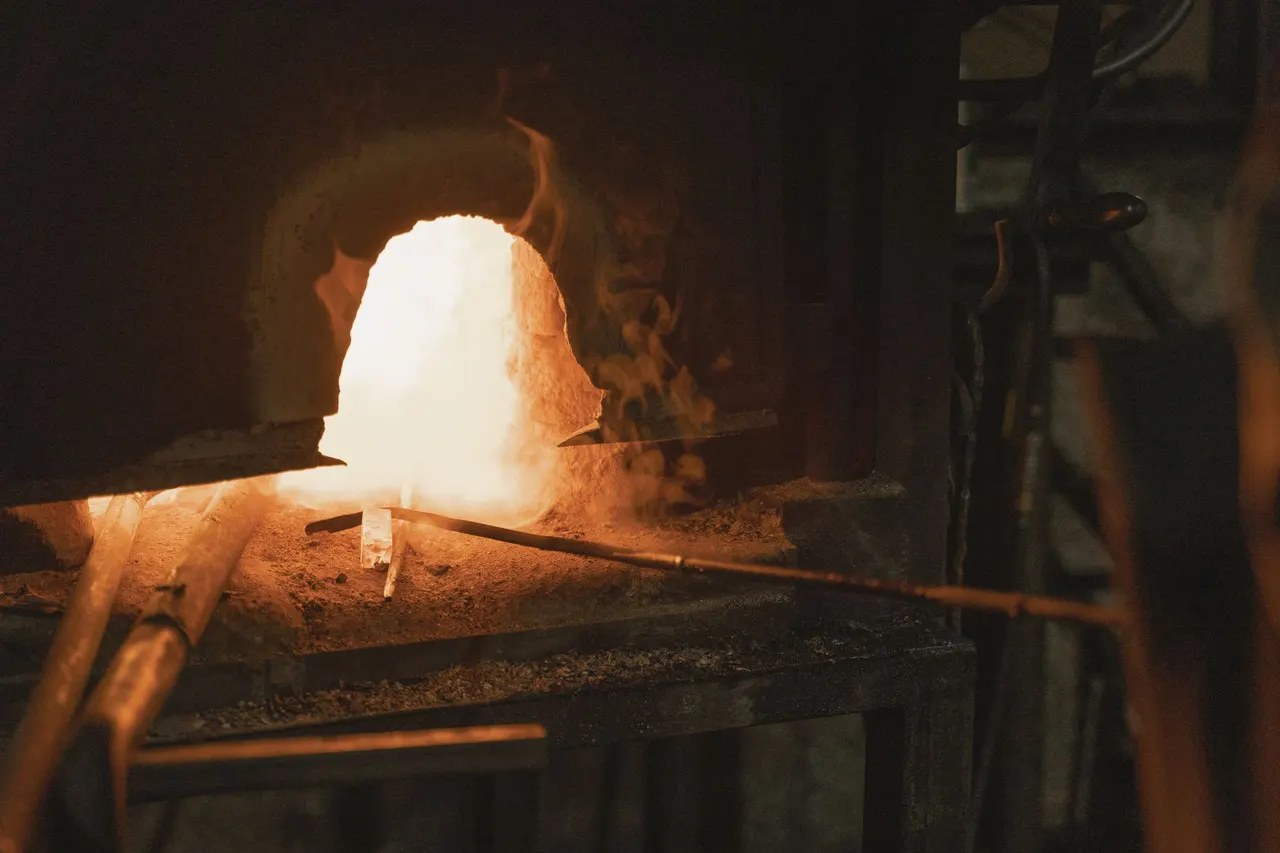
Move across a circle, or focus it and press Enter, for an illustrative thermal view of the photograph.
Clamp ammeter
Measures current on each element circuit during operation, the fastest way to find a heating stage that has stopped working.
Digital multimeter
Tests element resistance, limit switch and fusible link continuity, sequencer contacts and control voltages with power locked out.
Lockout and tagout kit
Secures the breakers while components are tested and replaced, a key safety step on 240-volt equipment.
Infrared thermometer
Spots hot terminals, overheated breakers and uneven element temperatures that point to loose or failing connections.
Thermal views are illustrative, generated from the photographs.
Methods
Current-first diagnosis
Measuring amp draw on each element while the furnace runs shows which stage is dead before any component is removed or tested.
Power-off component testing
Elements, limits and sequencers are tested only after power is locked out, protecting the technician and preventing accidental shorts.
Connection inspection
Every high-current terminal is inspected and tightened, since loose connections are a leading cause of overheating and breaker trips.
Staging verification
After the repair, we confirm elements come on in stages and every element draws normal current under full demand.
Electric Furnace Calls We Handle
Open fusible link
In a condo building by Ketring Park, an owner finds the electric furnace running nonstop while the thermostat stalls at 63 degrees.
Current checks show one of three elements drawing nothing. Its fusible link has opened due to a clogged filter. We replace the link, change the filter and confirm all three elements draw normal current.
Outcome: The condo reaches its set temperature again and the electric bill drops back to normal levels.
Shorted element
A Heritage townhome's electric furnace trips its breaker every time the heat comes on during a cold snap.
Testing reveals an element grounded against the cabinet. After swapping that element, we inspect the breaker and connections, and confirm the sequencers stage the elements on one at a time.
Outcome: The breaker stays on, the furnace heats steadily and the high-current wiring is confirmed safe.
Backup heat
A Southwest Littleton home with a heat pump stays cool on nights below 15 degrees.
We find the heat strip sequencer failed, so backup heat never engages. We replace the sequencer, check the outdoor thermostat setting and test the strips under load.
Outcome: Backup heat engages when the heat pump needs help, and the house holds temperature on the coldest nights.
Ketring Park area condosHeritageSouthwest Littleton
Electric Heat in Littleton Homes
Electric furnaces are a smaller share of Littleton's heating systems than gas furnaces, but they are common in certain building types. Some condo and apartment buildings from the 1970s and 1980s were built with electric heat in each unit, often in a hallway closet, to avoid running gas lines to every unit.
Newer homes and townhomes that use heat pumps rely on electric strips for backup heat on the coldest nights, when outdoor temperatures drop into the single digits. These systems carry heavy electrical loads, and connections in older buildings can loosen or corrode over decades of heating and cooling cycles.
Dry Colorado air and dust also clog filters, which can make elements overheat and open their limits or fusible links. Our electric furnace repair in Littleton covers all of these, from the elements to the breaker panel. On electric systems, heater repair in Littleton, CO comes down to measuring each element and checking every high-current connection, which is what restores full heat safely.
Ketring Park area condos: Several older condo buildings nearby have electric furnaces in hallway closets, where clogged filters often open element limits and fusible links.
Heritage: Some townhomes here use electric heat or heat pumps with electric backup, where shorted elements and sequencer failures show up in cold snaps.
Southwest Littleton: Homes that added heat pumps rely on electric strips on the coldest nights, so failed strip sequencers leave the house cool.
Heavy electrical loads in older condo buildings: Decades of high-current cycling loosen and corrode connections, causing overheating, breaker trips and lost element stages.
Single-digit nights when heat pumps need backup: Electric strips run hard on the coldest nights, exposing weak elements and sequencers right when backup heat is needed most.
Dust and clogged filters in closet units: Low airflow makes elements overheat, opening limits and fusible links and reducing heat output until the cause is fixed.
Technician asks about air temperature and breaker trips
Power locked out and access panel removed for testing
Every element verified and readings explained before leaving
From problem to finished result.
IllustrativeThe thermal view is generated from the photograph. It is not a measurement. Drag the handle, or use the arrow keys once it is focused.
Open fusible link in a condo
Before: The electric furnace ran constantly but the condo stayed near 63 degrees, with one element drawing no current.
After: The fusible link was replaced, the filter changed and all three elements drew normal current. The condo reached its set temperature within an hour.
Swap the filter about every six to eight weeks in winter so air keeps flowing across the elements.
Shorted element in a townhome
Before: The breaker tripped each time the heat came on, and the household had reset it several times during a cold snap.
After: A shorted element was replaced, connections inspected and staging confirmed. The breaker stayed on through a long test run on a cold evening.
Call if the breaker trips again rather than resetting it repeatedly, since that can hide a developing fault.
Failed backup heat sequencer
Before: A heat pump home stayed cool on nights below 15 degrees because the electric backup never came on.
After: A new sequencer was installed and the outdoor thermostat checked. The strips engaged on demand and the house held temperature overnight.
Have the heat strips tested each fall so backup heat is ready before the first deep cold.
Fixing an Electric Furnace Not Heating in Littleton
Electric furnace problems tend to show up in a few ways. Some are obvious, like a tripped breaker, while others hide behind a furnace that still runs. Here is what turns up most often in Littleton condos and houses.
Lukewarm airLukewarm air from every ventRooms never reach the set temperature, the furnace runs longer than it should and electric bills climb during cold weather. We measure current on each element and find the stage drawing no amps, then test that element, its limit and its sequencer to find and replace the failed part.
Breaker tripsBreaker trips when the heat comes onThe furnace shuts down completely, and repeated resets on a faulted circuit can damage wiring or the breaker. We test elements for shorts to ground, inspect connections for heat damage and check the breaker itself, repairing the fault before resetting the circuit.
Burning smellBurning smell or scorched terminalsOverheated connections can damage wiring and create a fire risk if left alone. We shut the furnace off, inspect and trim damaged wire ends, replace scorched terminals and tighten every high-current connection before restoring power.
No backup heatHeat pump backup heat not workingOn the coldest nights, the heat pump alone cannot keep up, and the house cools without its electric backup. We test the heat strips, sequencers and outdoor thermostat or control settings that call for backup heat, then confirm the strips come on when needed.
What You Gain From Electric Furnace Repair
Every element heating again with safe, tight connections.
Full heat output again
With every element and sequencer working, the furnace delivers its rated output, often 10 to 20 kilowatts in a typical condo or townhome system. Rooms reach the thermostat setting faster and stay there through the coldest evenings.
Breakers that stay on
A shorted element or loose high-current connection can trip the breaker repeatedly. Finding and fixing that fault stops the trips and protects the panel and wiring from heat damage.
Safer electrical connections
High-current terminals that loosen over time can overheat and discolor. We inspect and tighten connections, replacing scorched wiring or terminals before they become a fire hazard.
Better backup heat
For heat pump systems, the electric strips provide backup heat on the coldest nights. Restoring them means the house stays warm even when the heat pump alone cannot keep up.
What a written scope covers.
What a written scope covers and what shapes it. Prices are set by the business after the first look.
An electric furnace blowing cool or lukewarm air usually has one or more failed heating elements, sequencers or limit switches, so only part of its capacity is working. A tripped breaker on one element circuit can do the same thing. Measuring current on each element shows exactly which stage has stopped heating.
Repeated breaker trips usually come from a shorted heating element, a loose or overheated connection, a failing breaker or sequencers that start all elements at once. Because these circuits carry high current, we inspect the wiring and breaker as well as the furnace before resetting anything again.
Electric furnace heating elements often last 10 to 20 years, though poor airflow, frequent cycling and loose connections can shorten that. Elements usually fail one at a time, so a furnace may keep running at reduced capacity for a while before anyone notices the problem.
Electric furnace repairs are often simpler because there is no burner, venting or gas valve, and many parts are universal. Element, sequencer and limit switch repairs are usually moderate in cost. Wiring or breaker damage from overheating can add to the repair, which is why connections are always inspected.
If your electric furnace is blowing lukewarm air or tripping breakers, call and describe what you notice. We measure every element, test the controls and wiring, and quote the repair before work begins.
Call (983) 200-5821 and describe the problem: a cold house, burners that light and go out, a flashing LED or a new sound. Keep your street address handy so we can confirm your county. For planned work such as yearly maintenance or pricing a new furnace, the contact form works too.