Homes and condos
A yearly tune-up keeps your furnace ready for the coldest nights. We clean, test and measure each key part and tell you plainly what is healthy and what to watch.
- Pre-winter checkup
- Filter and airflow check
Furnace Tune-Up, Maintenance & Filter Replacement in Littleton is the once-a-year visit that keeps a working furnace from becoming a broken one in January. Burners and the sensor rod get cleaned, the igniter, capacitor and safety switches get tested, gas pressure and air temperature gain are measured, the heat exchanger is inspected and the right filter goes in.
 Burners cleanedFlame sensor testedCO measured
Every tune-up covers combustion, airflow, safety and controls. Each visit covers all six items listed here. Repairs found during the tune-up are explained and priced separately, and you decide whether to go ahead.
Burners are inspected and cleaned, and the flame sensor is removed, cleaned and tested by microamp signal after reinstalling.
We look the igniter over, read its resistance, and confirm gas coming in and going to the burners matches the altitude chart.
The blower capacitor is measured, motor amps compared with the nameplate and the blower wheel inspected for buildup.
Your filter is replaced with one of the correct size and type, and we note the recommended change interval for your home.
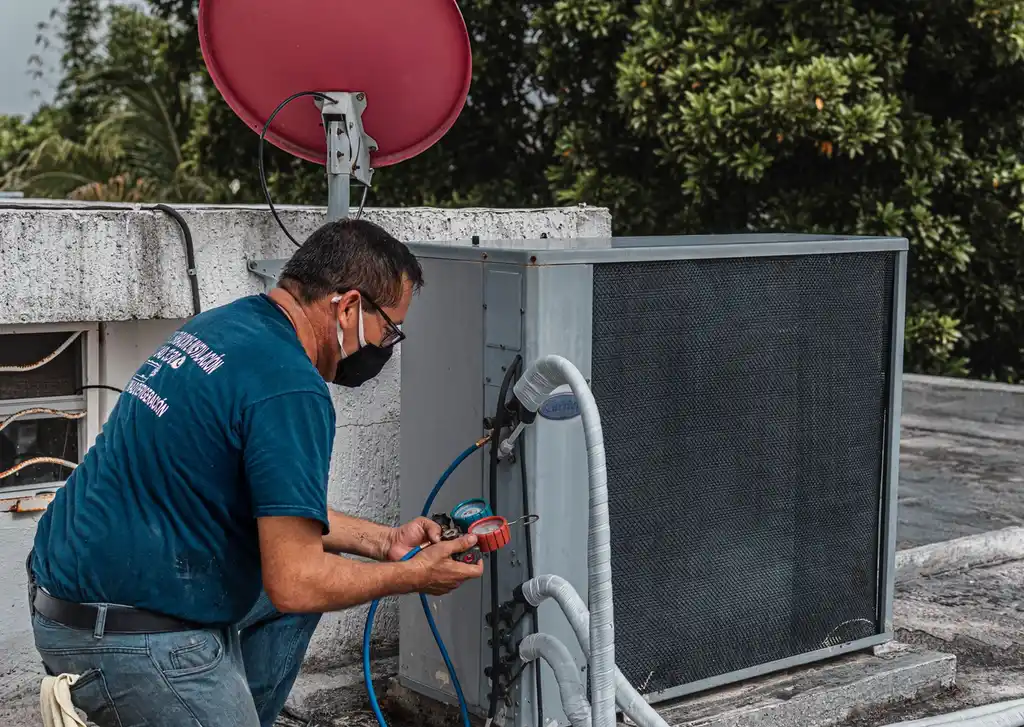
Limit, rollout and pressure switches are verified, venting inspected and carbon monoxide measured at the flue and a supply register.
On 90 percent furnaces, the condensate trap, drain line and pressure switch hose are cleared and checked for leaks.
The approach is the same for a home and a business. What changes is the access, the schedule and who needs the paperwork.
A yearly tune-up keeps your furnace ready for the coldest nights. We clean, test and measure each key part and tell you plainly what is healthy and what to watch.
Commercial furnaces and rooftop units need seasonal service to avoid downtime. We schedule around business hours, complete the checklist and share the readings with the owner or manager.
A plain-language look at what Furnace Tune-Up, Maintenance & Filter Replacement involves and when it is needed.
See how it worksFurnace Tune-Up, Maintenance & Filter Replacement in Littleton is yearly upkeep that keeps a furnace clean, tested and adjusted so it runs safely and efficiently through the heating season. A thorough tune-up covers four areas. Combustion: burners, igniter, flame sensor, gas pressure and venting. Airflow: filter, blower wheel, motor and temperature rise. Safety: limit, rollout and pressure switches and a carbon monoxide reading. Controls: thermostat operation, wiring and board codes. A standard gas furnace needs roughly an hour to an hour and a half.
Tune-ups matter in Littleton because furnaces here sit idle through hot summers and then run hard from November to March. Dust settles on burners and sensors, capacitors weaken in summer heat and filters clog during air conditioning season. An early-fall appointment catches those problems before the first hard freeze, though a November visit still pays off before the deepest cold of December and January. If you are pricing a furnace tune-up cost in Littleton, the value is in the problems it prevents, which is covered in the FAQ below.
A fall tune-up finds the weak part before a January night does.
A tune-up follows a set checklist so nothing is skipped, whether the furnace is new or 20 years old. Most visits take 60 to 90 minutes. If we find a part that needs repair, we pause, explain it and quote it before doing anything beyond the tune-up.
When you schedule, tell us the furnace age if you know it, the filter size you use and anything different lately, like new noises or rooms that do not warm up. Clear a path to the furnace so the technician can work around it.
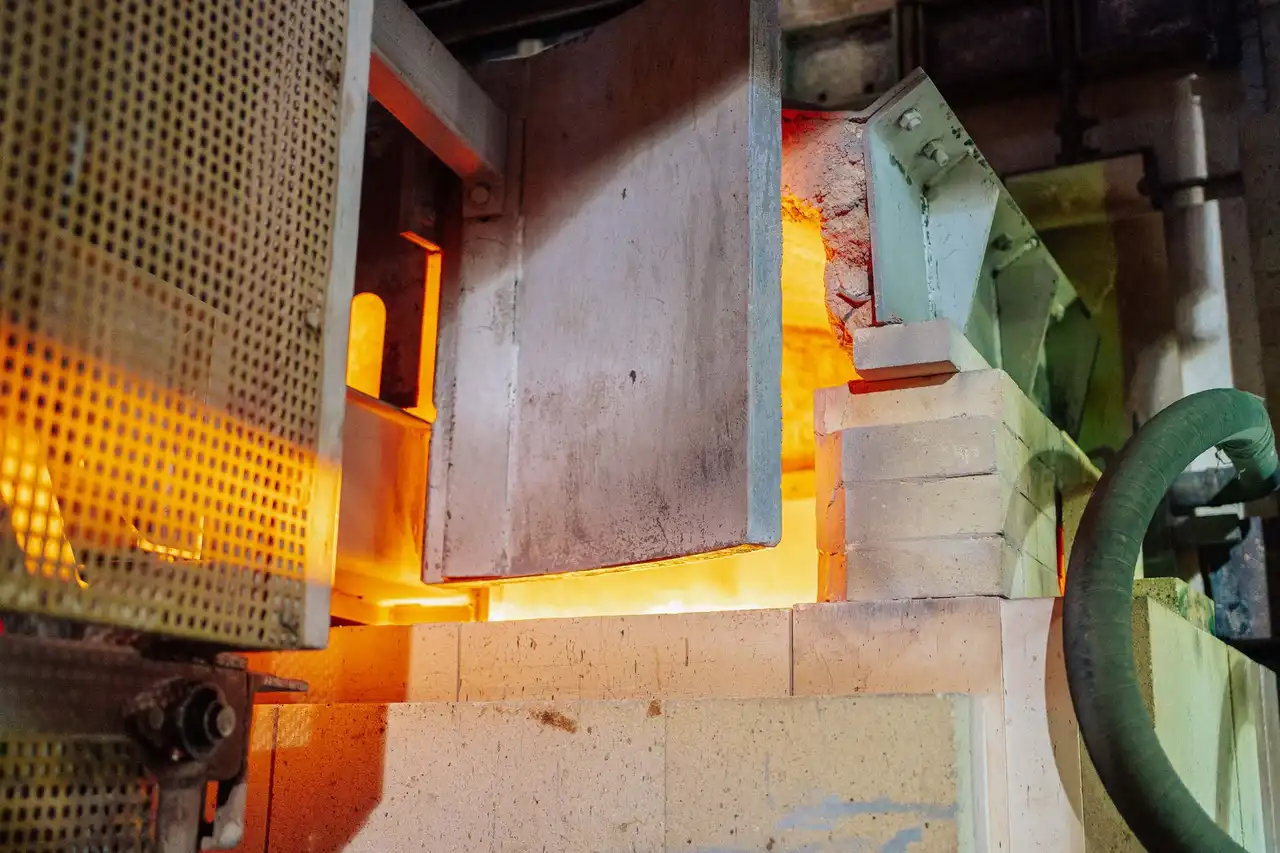
The technician checks thermostat operation, reads the board's fault history, tests the transformer and inspects wiring at the furnace. Stored codes from last winter often reveal a problem that was never reported.
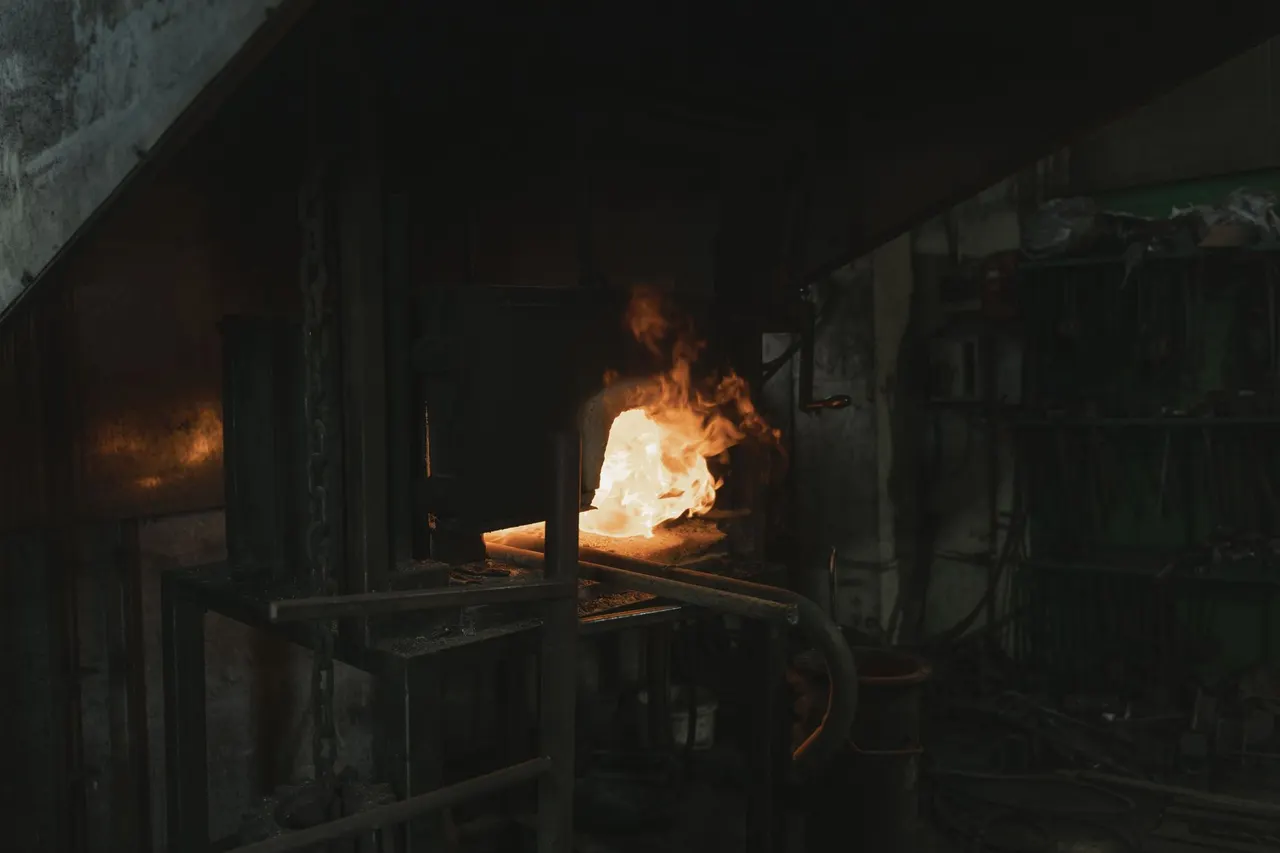
We remove and clean the flame sensor, inspect the igniter, clean the burners and check the burner area for rust or debris. Then the gas valve output is read and trimmed to the elevation figure on the furnace label.
We inspect the blower wheel, test the capacitor and measure motor amps, then replace the filter and measure temperature rise. On high-efficiency furnaces, the condensate trap and drain are cleaned.
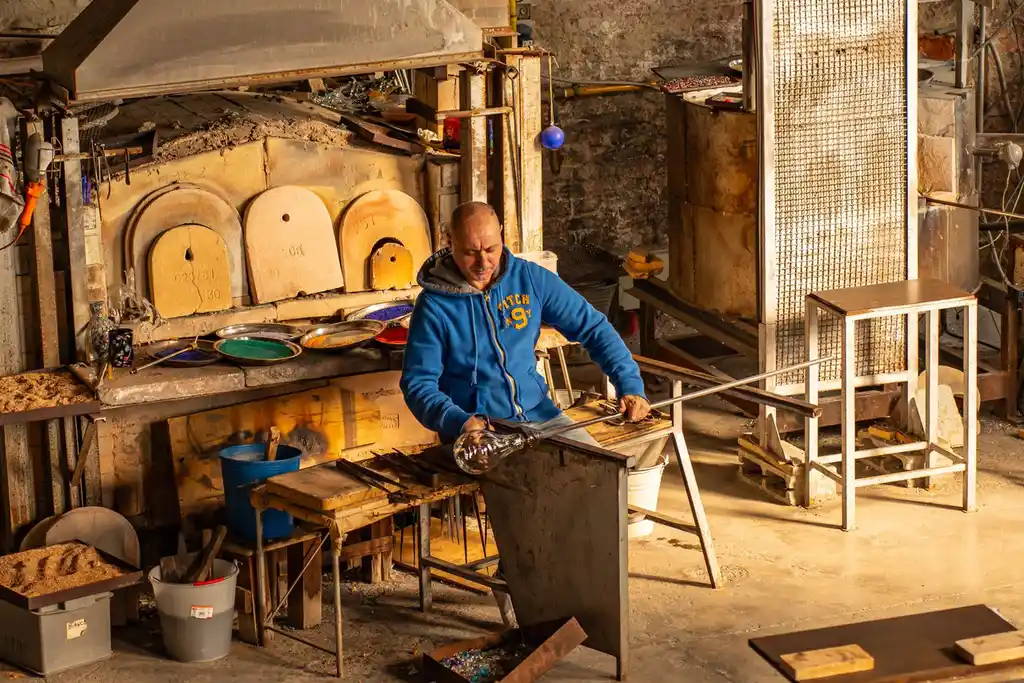
Limit, rollout and pressure switches are verified, venting is inspected and carbon monoxide is measured at the flue and a supply register. You get a checklist with readings and any items to watch.
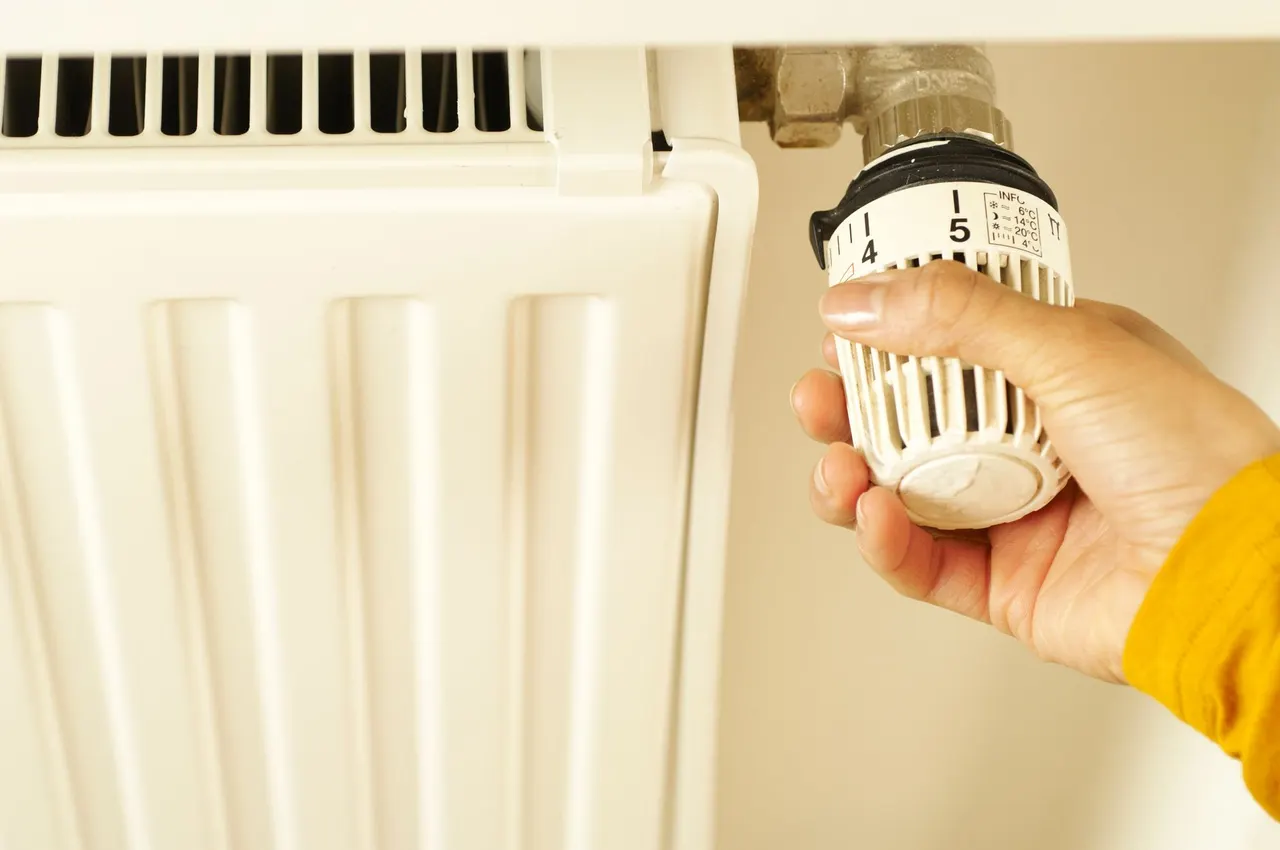
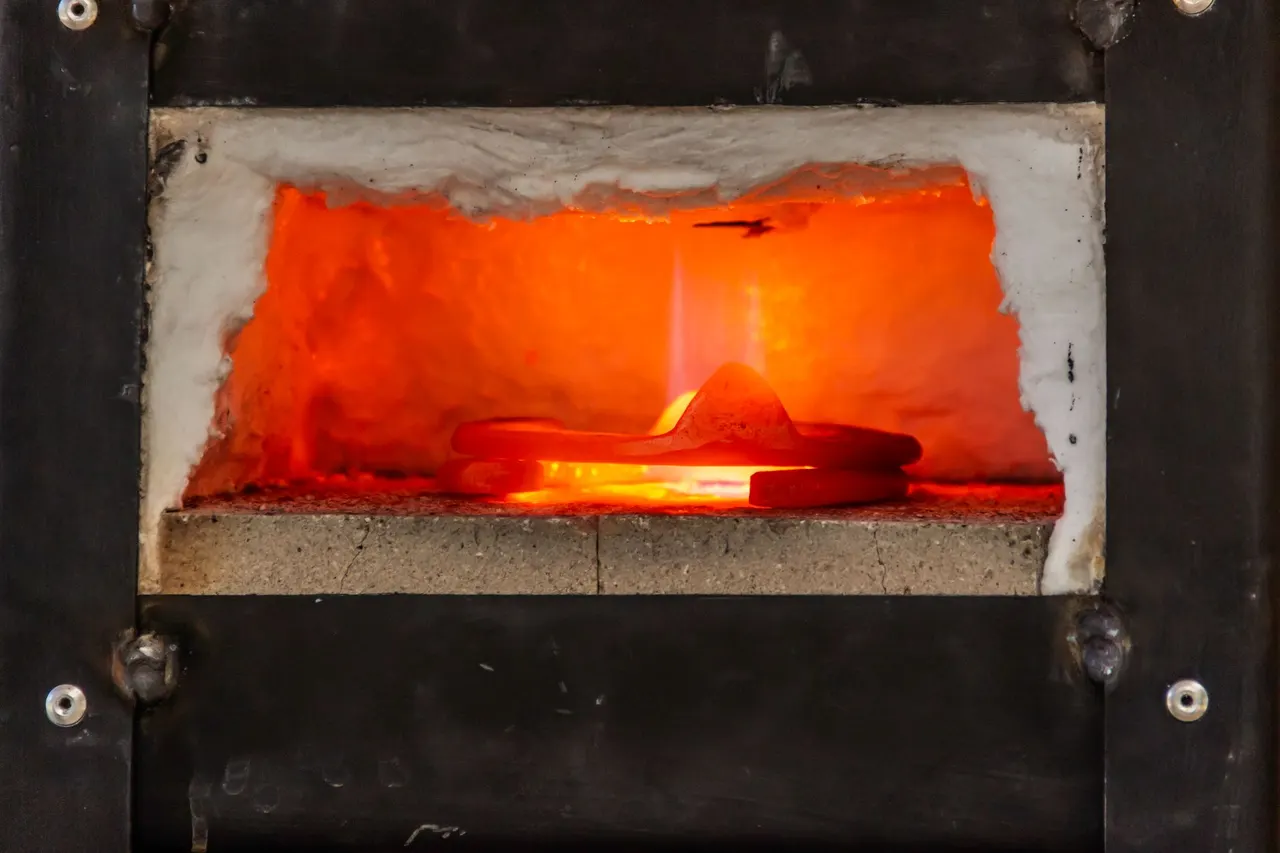
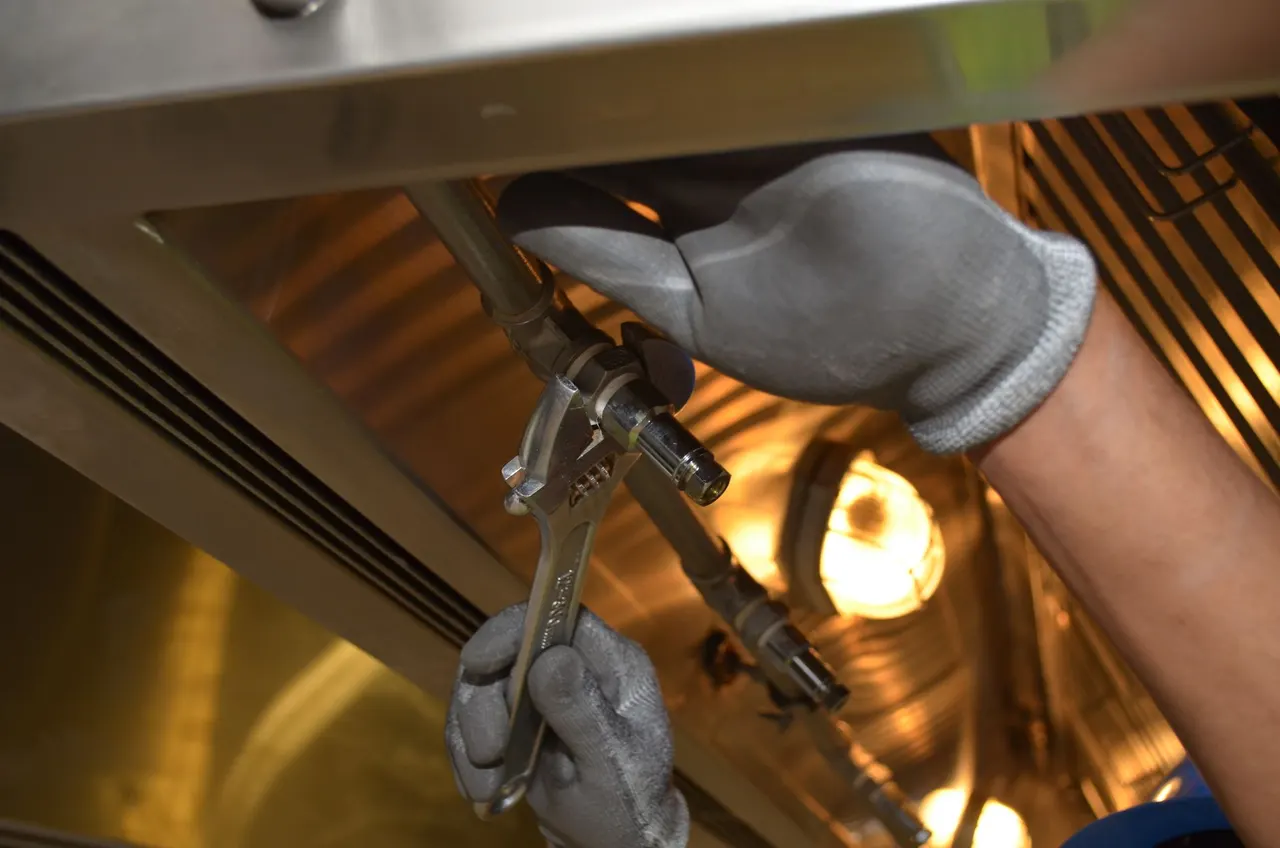
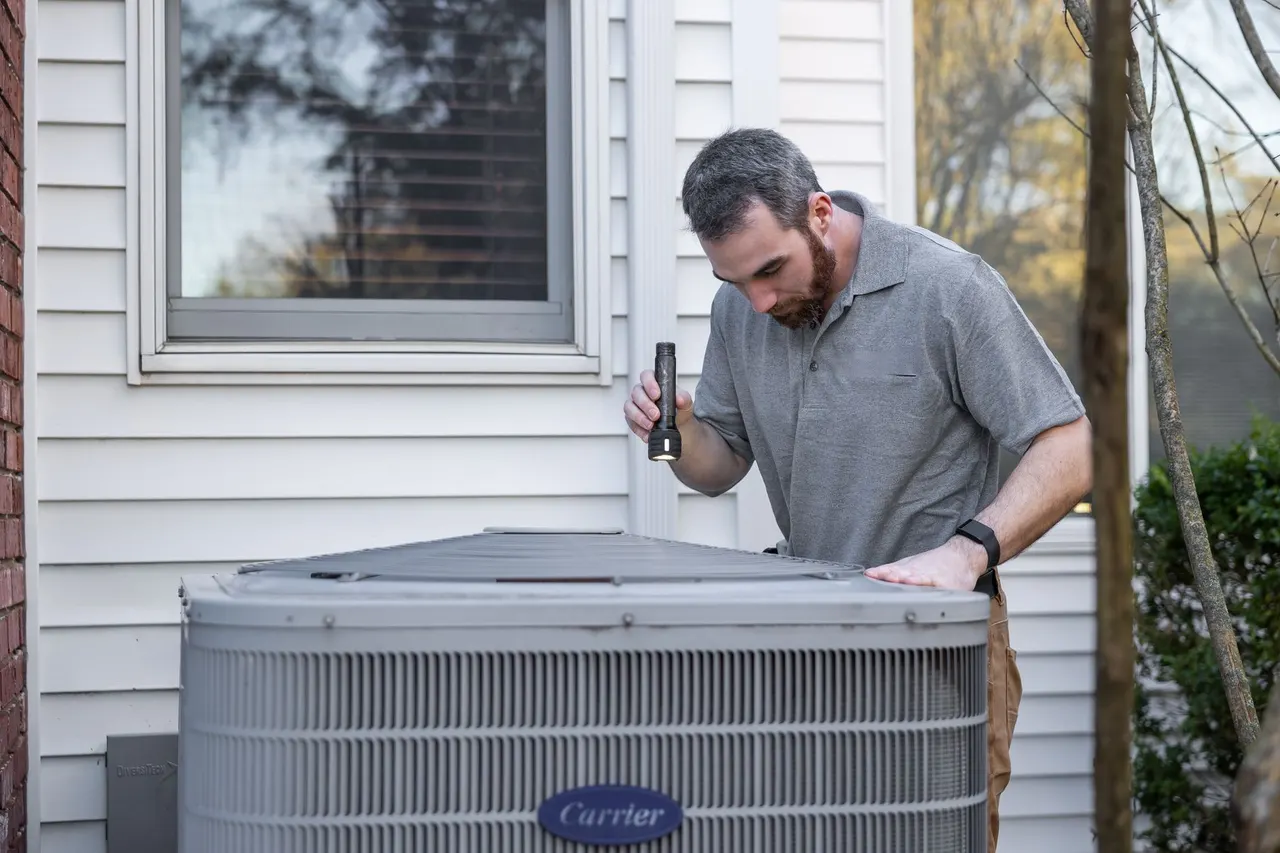
Move across a circle, or focus it and press Enter, for an illustrative thermal view of the photograph.

Gives the CO number at the vent pipe and a room register, the safety figure that matters most at every tune-up.
Measures inlet and manifold gas pressure so the furnace can be set to its high-altitude specification.
Reads flame sensor signal and capacitor microfarads, catching two of the most common winter failures early.
Measure supply and return air to confirm temperature rise is within the range on the furnace rating plate.
Thermal views are illustrative, generated from the photographs.
Every tune-up follows the same written checklist, so combustion, airflow, safety and controls are all covered every time.
Readings are recorded and compared with past visits, showing slow wear in sensors, capacitors and motors before they fail.
Parts are recommended for replacement only when a reading or visible condition shows wear, never by default.
Gas pressure and combustion are checked against high-altitude values at every visit, since sea-level settings cause poor combustion here.
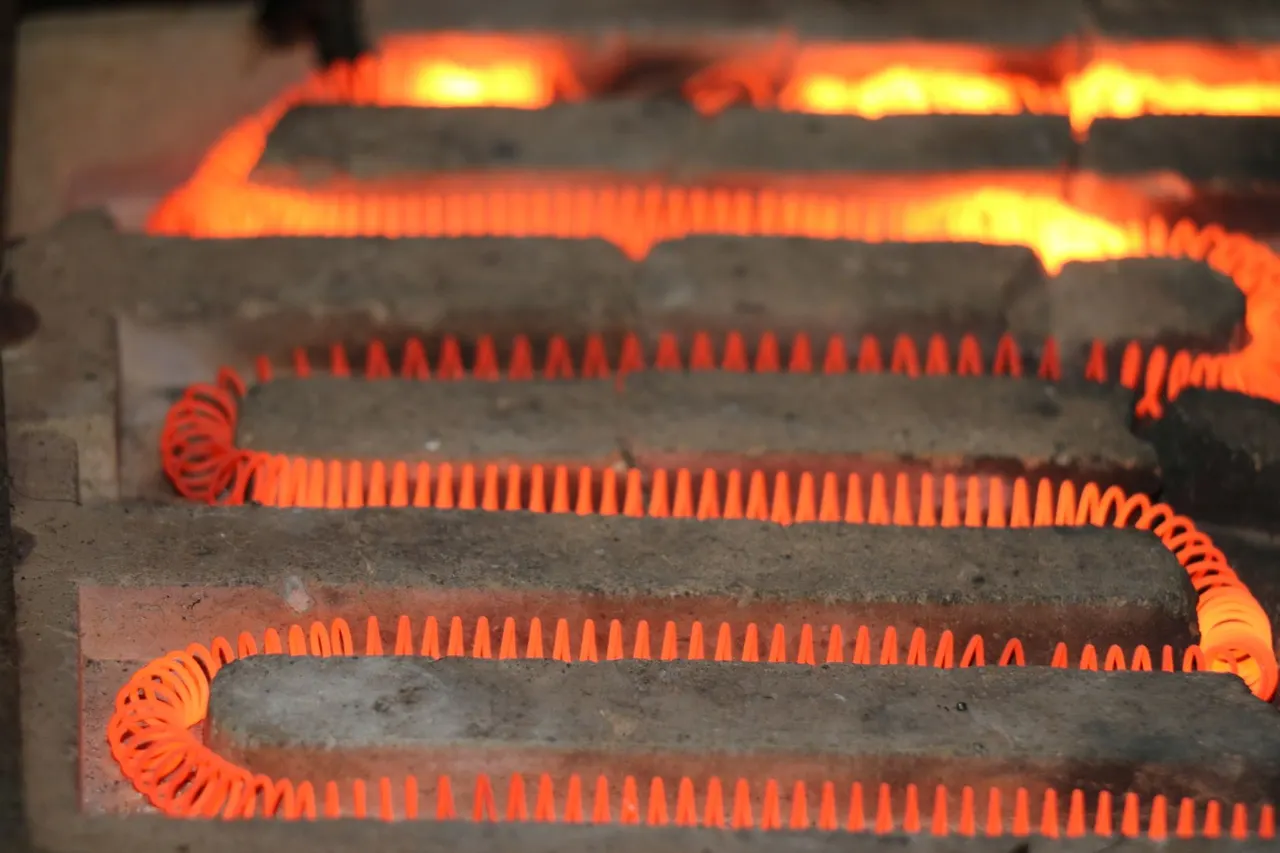
A Goddard homeowner has not had the furnace serviced in three years and wants it checked before winter.
Burners and the sensor rod get cleaned, the capacitor reads low and the filter is clogged, so both are replaced with approval before gas pressure is set and CO is measured.
Outcome: The furnace enters winter with fresh parts where they mattered, and the homeowner has a baseline of readings for next year.
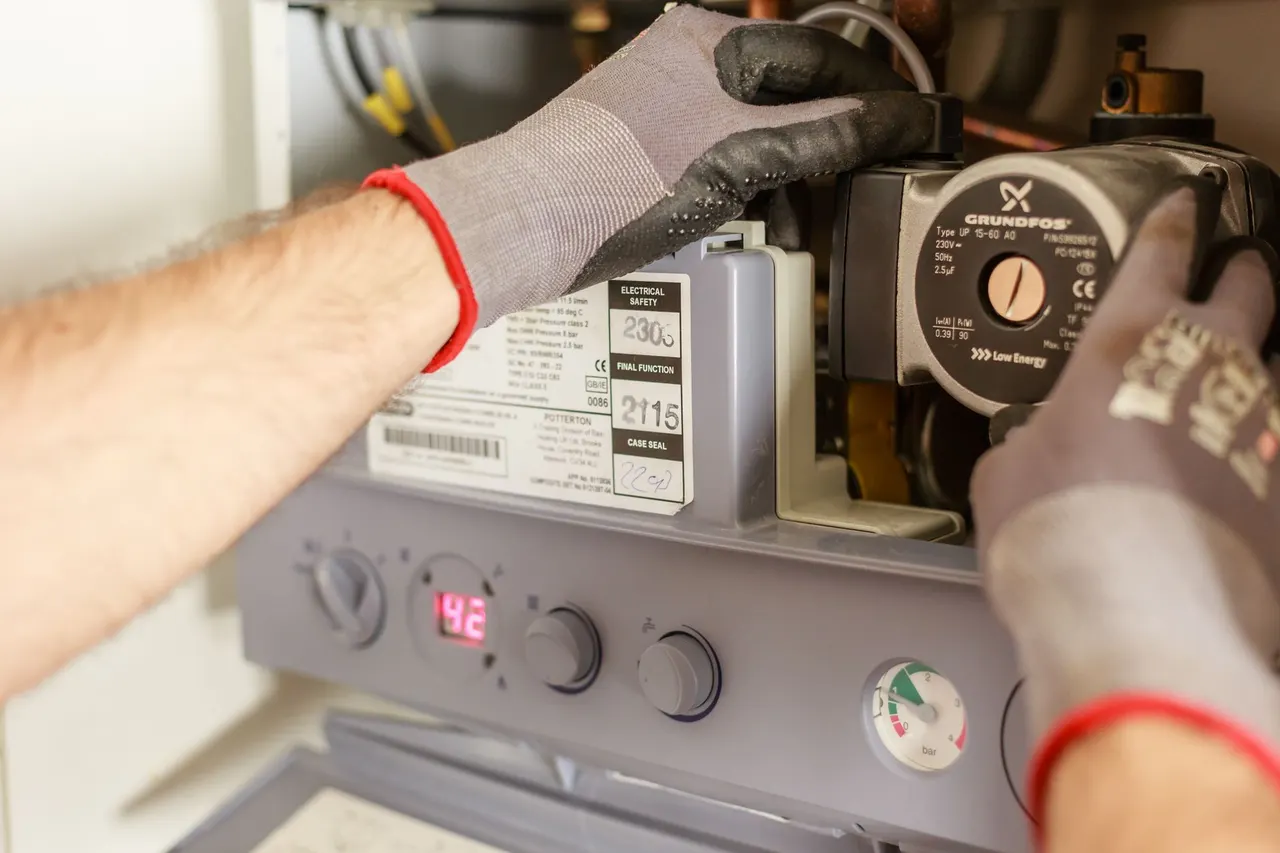
A Heritage family with two dogs notices rooms getting warm more slowly each winter.
During the tune-up we find the blower wheel coated with hair and dust. We clean the wheel, replace the filter and measure temperature rise.
Outcome: Airflow improves, rooms warm faster and the family gets a filter schedule suited to a home with pets.
We complete the full checklist, clear the condensate trap, verify the two-stage operation and record all readings on a service checklist.
Outcome: The homeowner has documented annual maintenance and a furnace running within its specifications.
Furnaces in Littleton face a demanding cycle each year. Summers are hot and dry, so capacitors weaken and the same blower often runs for air conditioning. Then furnaces sit idle for months, collecting dust on burners and sensors, before running hard from November through March when nights regularly drop into the teens and single digits. Elevation adds another layer.
Burners need gas pressure matched to the thin air at our elevation, and a furnace that was never set up properly or drifted over time can produce rough ignition or excess CO. Dust from remodeling, pets and occasional wildfire smoke in late summer also clog filters faster than many homeowners expect.
Our furnace tune-up, maintenance and filter replacement in Littleton addresses each of these local factors with measurements, not just a visual check. For Littleton, CO homeowners, the cheapest heater repair is usually the one a fall tune-up made unnecessary.
Before: The furnace had not been serviced in three years, the filter was gray and clogged, and the flame sensor signal was borderline.
After: After cleaning, a new filter and a replaced capacitor, the flame signal, temperature rise and capacitor value all read within range and CO was normal.
Schedule the next tune-up for early fall and check the filter monthly during the heating season.
Before: Rooms warmed slowly and temperature rise was above the rating plate range due to a hair-packed blower wheel.
After: The wheel was cleaned and the filter replaced. The air gain fell back inside the label range and the bedrooms heated up much quicker.
Change filters more often with pets, about every one to two months during winter, and have the wheel checked each year.
After: The full checklist was completed, the condensate trap cleared and readings recorded, giving the homeowner a documented service record.
Keep each year's checklist with the furnace paperwork, and book the tune-up at the same time each fall.
Most of the furnace failures we see in December could have been caught in September. These are the problems a tune-up catches most often in Littleton homes, and what they turn into if they are missed.
A furnace ready for winter, with readings to prove it.
A big portion of cold-house calls start with four tired parts: igniters, sensor rods, capacitors and filters. Finding them in the fall means they get fixed on your schedule instead of on a cold night.
Each maintenance visit ends with a CO measurement, a look at the visible heat exchanger and a check of the flue and venting. Those checks are the most important part of the visit for a gas furnace in a closed-up winter home.
Clean burners, correct gas pressure for altitude and a clear airflow path help the furnace turn more of its fuel into delivered heat, which shows up over a full Littleton winter on your Xcel Energy bill.
Furnaces that run within their rated temperature rise, with clean blowers and healthy motors, wear more slowly. Regular maintenance is one of the main differences between a furnace that lasts 15 years and one that lasts 20 or more.
What a written scope covers and what shapes it. Prices are set by the business after the first look.
Included
Depends on
Clear records you can keep and share.
Every item checked during the visit
Flame signal, gas pressure, rise and CO values
Borderline items to monitor before next visit
Recommended change interval for your home
A filter change and a tune-up are both maintenance, but they do very different jobs, and both matter.
Replacing the air filter to keep airflow and indoor air clean.
Cleaning, testing and adjusting the whole furnace once a year.
Fixing a part that has already failed or is failing.
A list like this tells people straight away whether you cover their street. Not listed? Call and ask: it only takes a minute.
Based in Littleton and covering the places around it. Pick one for local details.
Yes, for most gas furnaces a yearly tune-up is worth it, because it catches the parts behind most winter breakdowns, such as coated flame sensors, weak igniters and failing capacitors. It also includes a carbon monoxide and venting check, which matters in a closed-up winter house.
A furnace tune-up should cover burner and sensor rod cleaning, inspecting the igniter, testing the capacitor and motor, measuring gas pressure and temperature rise, checking safety switches and venting, taking a carbon monoxide reading and replacing the filter. On high-efficiency furnaces it also includes clearing the condensate trap and drain.
Once a year is the standard recommendation, ideally in early fall before the heating season starts. Homes with pets, recent remodeling or heavy dust may benefit from more frequent filter changes, but the full tune-up is still once a year. Once a furnace passes 15 years of age, skipping a year gets riskier.
A standard 1-inch filter tends to last one to three months once heating starts, and thicker 4-inch media filters often last six months or more. Pets, remodeling dust and wildfire smoke shorten that interval. Check the filter monthly in winter and change it when it looks gray or clogged.
Other services from the same team.
Schedule a tune-up and tell us your filter size and furnace age. We clean, test and measure each key part, record the readings and tell you plainly if anything needs attention before the next cold snap.
Call (983) 200-5821 and describe the problem: a cold house, burners that light and go out, a flashing LED or a new sound. Keep your street address handy so we can confirm your county. For planned work such as yearly maintenance or pricing a new furnace, the contact form works too.