
Castle Pines homes
Newer, larger houses call for careful reading of error codes and airflow.
- Error code review
- Airflow checks
- Permit guidance
Furnace Repair in Castle Pines serves a city of about 11,000 people at roughly 6,559 feet, where wind and snow arrive early. We locate the fault, show it to you and state the price before anything starts. For heater repair in Castle Pines, call (983) 200-5821.
Littleton, Colorado
Castle Pines and northern Douglas County
Castle Pines is one of Colorado's newer municipalities. Voters approved the City of Castle Pines North in November 2007, and in 2010 residents voted to shorten the name to Castle Pines. It was the first new city in Douglas County in more than a decade. The 2020 census counted 11,036 people, and the city sits near 6,559 feet beside Interstate 25.
Parks and trails are a big part of local life, including Daniels Park, Elk Ridge Park, Retreat Park, Coyote Ridge Park and Daniel's Gate Park, and about 14 miles of trails are maintained mostly by the Castle Pines North Metropolitan District. Nearly all the housing here is recent, which means furnaces are modern, efficient and electronic. That changes the kinds of calls we get.
Instead of rusted heat exchangers, we see lockouts, sensor faults, thermostat communication problems and the occasional airflow imbalance in a large house. One local detail matters: Castle Pines Village, the gated community to the south, is an unincorporated area that is not part of the City of Castle Pines, so the permit office can differ depending on the address.
Castle Pines is a short drive down the interstate from Castle Rock and Lone Tree, and its homes are consistent enough that we can prepare well before we arrive. Knowing the address also tells us which jurisdiction applies, which matters for any permit.
Good to know in Castle Pines
Modern furnaces depend on sensors and boards, so faults are electronic rather than mechanical.
Furnace replacement is a 1-Stop permit in Castle Pines, with no drawings required, filed in CommunityCore.
Homes near the park have open views and exposure to wind.
Most calls here involve newer equipment, so the service list leans toward electronics, airflow and smart scheduling.
When the vents blow cool air on a windy winter night, we begin with the simplest links: the thermostat's call for heat, the filter and the safety switches.
When gas is in the air or a CO alarm is going off, everyone steps outside and someone calls Xcel Energy or 911.
Houses here are mostly built in the last few decades, so the usual ignition trouble is a worn electronic igniter or a valve that hesitates.
If the burners flare and go dark again, the sensor is often to blame, though a restricted filter or an overheated limit switch can look identical. We tell the three apart by examining each.
Larger floor plans and tall stairwells mean the blower moves a great deal of air.
Wi-Fi thermostats and zoned systems add convenience and a few extra ways to fail. We check wiring, power and settings first, then the board that reads them.
Whistling, thumping and clanking each point to a different cause, such as a dirty filter, a loose panel or a delayed ignition. We find which one you have and how soon it matters.
A seasonal visit keeps a furnace honest. We vacuum out dust, read combustion and airflow, confirm the safety controls and finish with a new filter.
In a few townhomes and finished basements, heat comes from electric elements. We trace power through the breaker, relay and sequencer to the element that has quit.
Small offices and shops near the interstate need quiet, dependable heat. Visits are planned away from peak hours, and each unit gets a plain-language note.
We handle both before the new furnace is ordered.
Pick a service to see how we approach it here.
The call for heat, the filter and the safety switches are checked in order before any part is replaced.
Get outside and call Xcel Energy or 911. The furnace is inspected once the house is cleared.
A worn igniter or a slow valve is the usual explanation in newer furnaces.
A coated sensor, a restricted filter or an overheated limit switch can each cause it, so all three are examined.
Castle Pines calls come from newer homes, townhomes and small offices near the interstate.
Newer, larger houses call for careful reading of error codes and airflow.
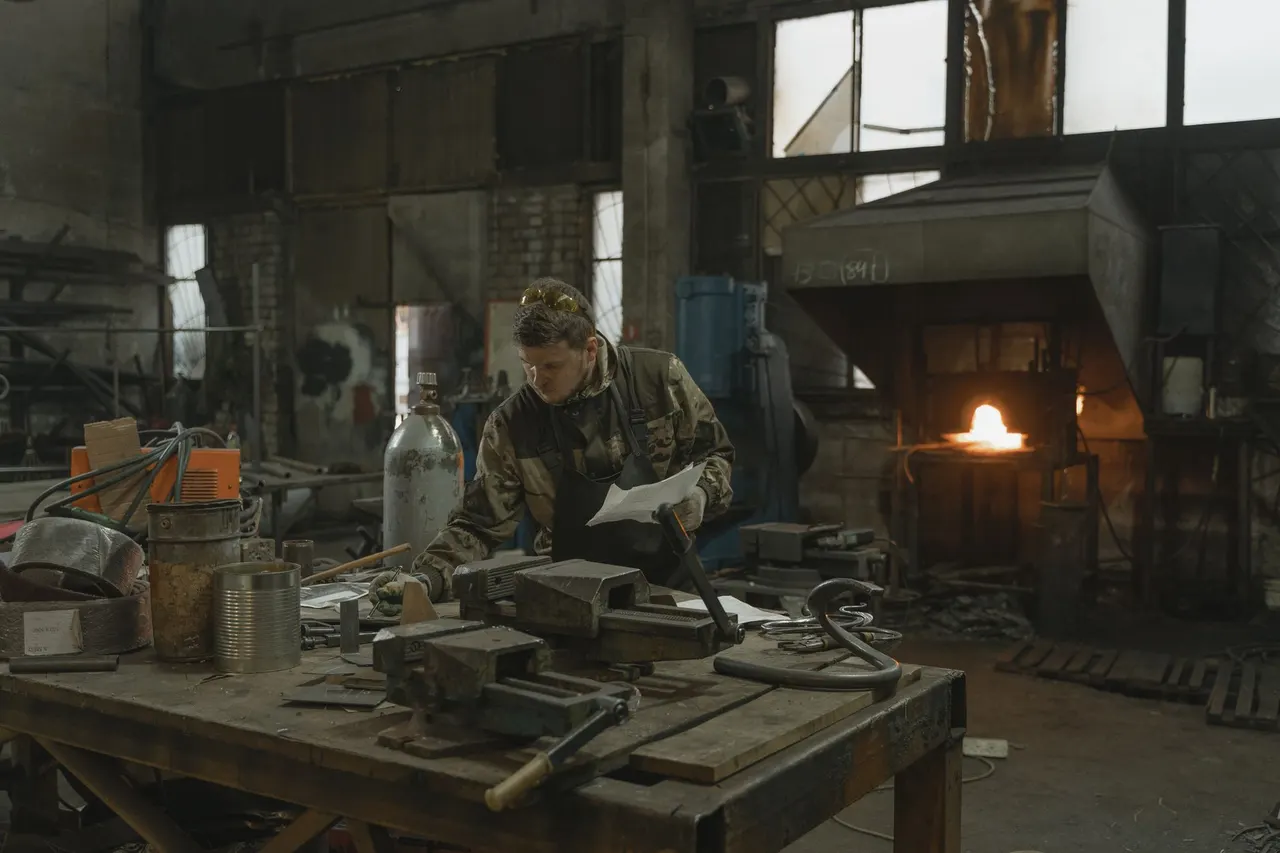
Small offices and shops need heat that is quiet and dependable.
Modern furnaces fail in modern ways.
Wind and snow at exposed sites can disturb venting.
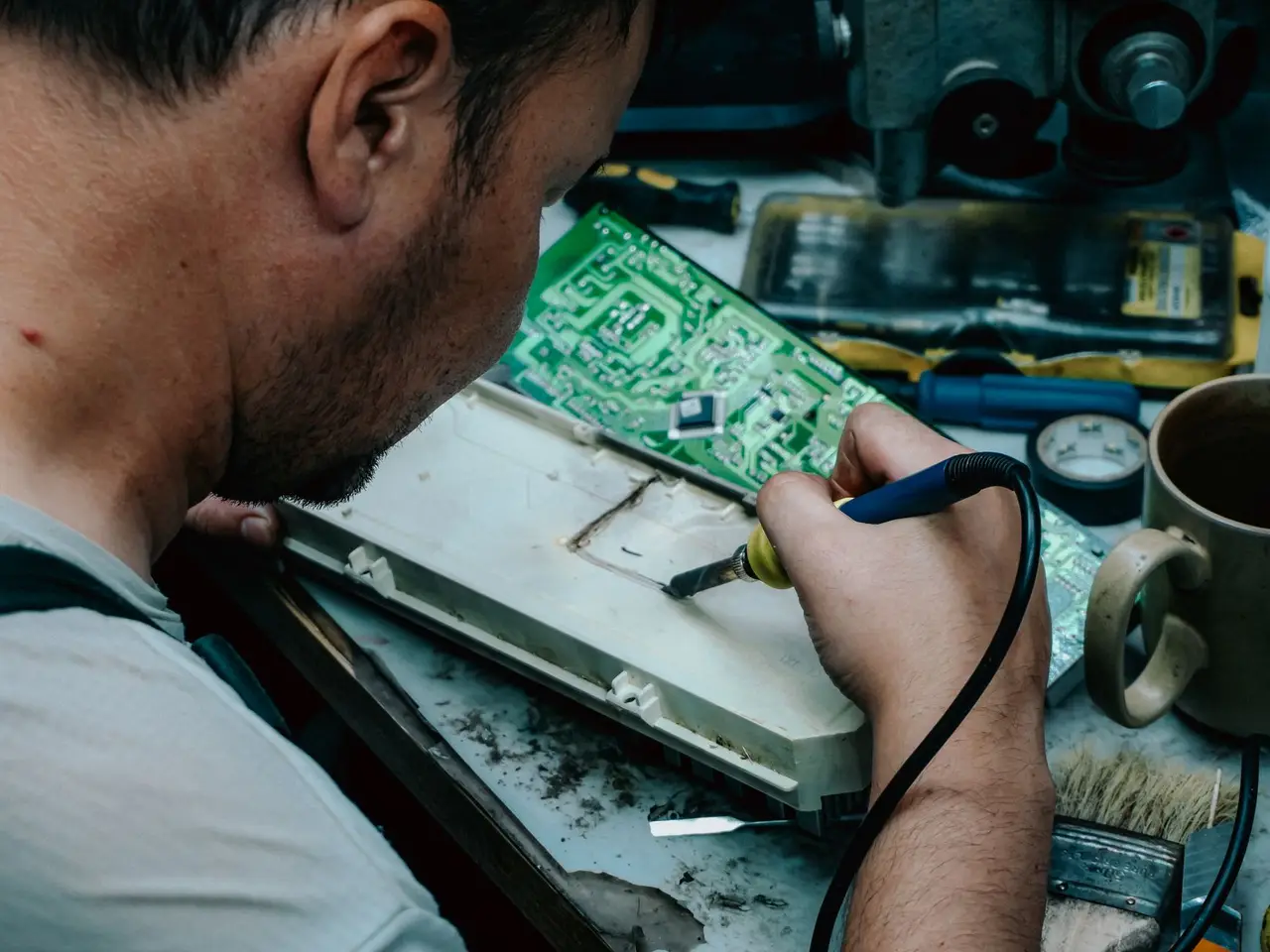
Smart thermostats and control boards depend on clean signals.
Fine dust and a neglected filter coat the flame sensor.
Large floor plans with multiple duct trunks can be hard to balance.
Lockouts, uneven rooms and thermostat disagreements are the early signs in Castle Pines.
Any one of these is worth a call.
Nothing picked yet. Tap the signs you have noticed and this box will sum them up.
There is no price list here, because every job is different. These are the things that move an estimate most.
Sensors, boards and motors have very different costs.
Large houses and multi-zone systems take longer to test.
A new furnace needs a city permit plus an inspection appointment.
Parks like these let us orient ourselves on the map and work out the route.
Landmark
A well-known open-space park near the city.
Landmark
One of the neighborhood parks the metropolitan district maintains.
Landmark
A local park along the trail network.
Landmark
Another of the city's neighborhood parks.
Landmark
A park that helps identify nearby subdivisions.
Commercial area
Small offices and shops that need steady heat through business hours.
Commercial area
Service-oriented tenants with rooftop or closet furnaces.
Transit
The main road connecting the city to Castle Rock and Lone Tree.
Not listed? Call and we will tell you whether we can get to you.
Check my areaA high, exposed location brings an early and long cold season.
Other Douglas County communities border Castle Pines, and all fall within our service area.
Straight answers to what people ask first.
Yes. The city lists furnace replacement among its 1-Stop permits, which do not require drawings, and the application is submitted through the CommunityCore portal.
Per the city, request an inspection before 4 p.m. the business day before; an adult over 18 has to be present for indoor work.
No. It is an unincorporated gated community, so permit questions there go to a different office. We confirm the address first.
Wind can disturb the vent and trip the pressure switch. An inspection of the vent termination and switch readings usually finds it.
If your furnace locks out, ignores the thermostat or leaves part of the house cold, call. We diagnose it, point out the cause and fix a price before beginning.
Call (983) 200-5821 and describe the problem: a cold house, burners that light and go out, a flashing LED or a new sound. Keep your street address handy so we can confirm your county. For planned work such as yearly maintenance or pricing a new furnace, the contact form works too.