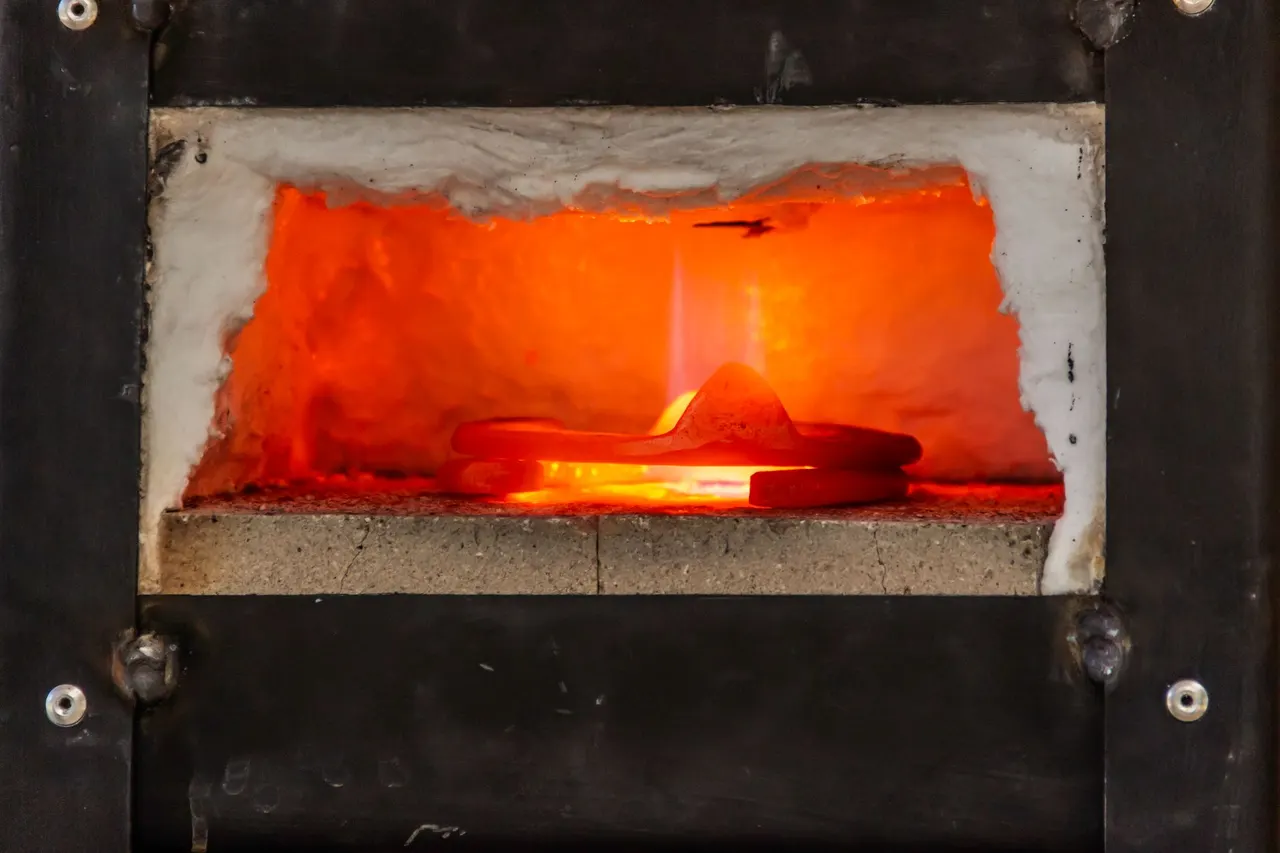
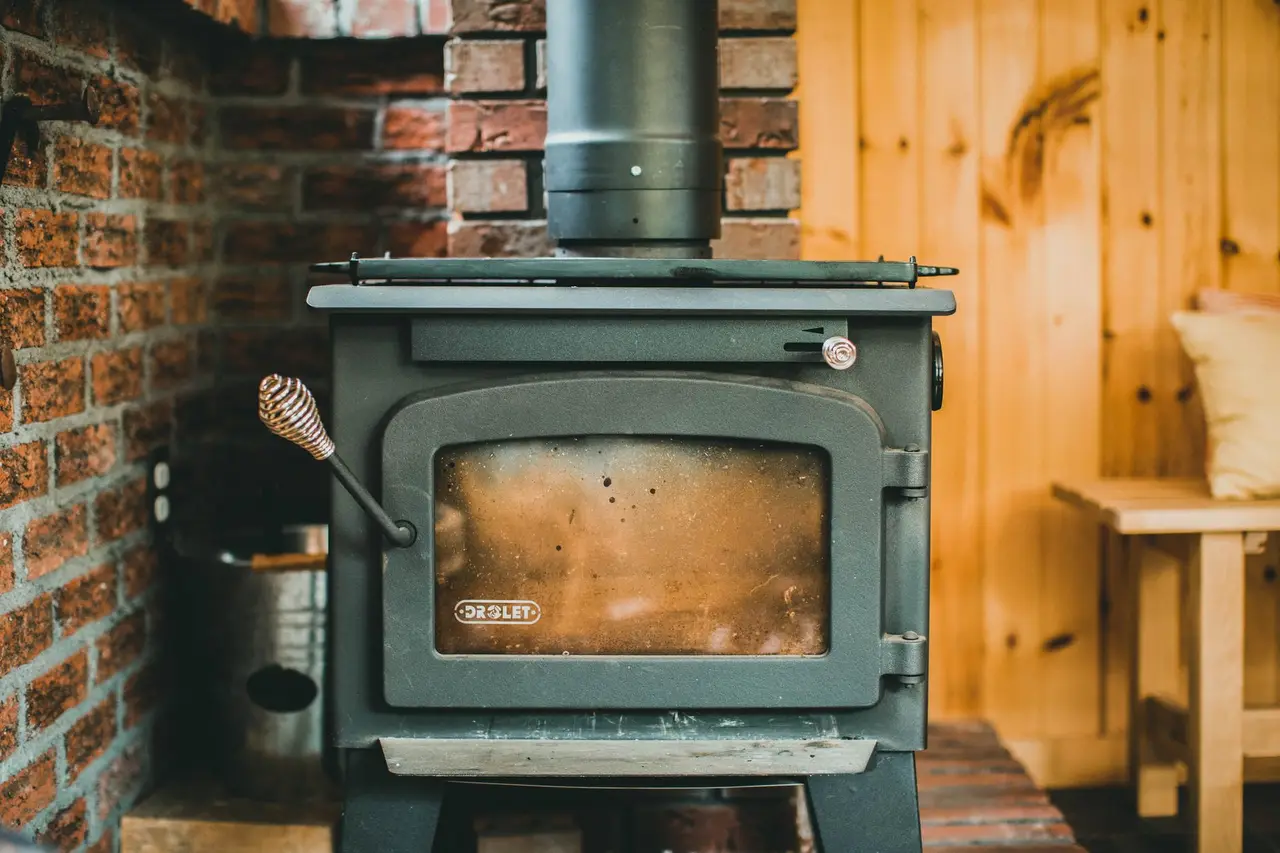
Furnace replacement in Littleton, sized for your house
Furnace Replacement in Littleton is for the day repairing your old furnace stops making sense: a split heat exchanger, a furnace past 20 years, or a third expensive repair in two winters. The new unit is sized from a Manual J load study, paired with your existing ducts and flue, and permitted through whichever office governs your lot. If heater repair in Littleton still makes more sense, we say so first.
Heat loss calculatedPermit office confirmedVenting matched
Size from the mathHeat-loss numbers decide the furnace
Check the jurisdictionCorrect permit office confirmed first
Set for altitudeGas pressure tuned for elevation
Test before handoverCombustion and CO verified at startup
What Furnace Replacement Includes
A replacement quote covers the furnace and everything needed to install it safely and legally. Every replacement quote includes these five items. Optional upgrades, such as a new air filtration cabinet or duct changes, are listed separately so you can choose.
Heat-loss calculation
A room-by-room Manual J calculation sets the furnace size, accounting for insulation, windows, air leakage and Littleton's altitude.
Venting and gas work
Gas connection, sediment trap and shutoff, plus B-vent or PVC venting sized and terminated to the manufacturer's instructions and code.
Permit and inspection
The mechanical permit is filed with the correct city or county office, and the final inspection is scheduled after installation.
Startup and setup
Gas pressure is set for altitude, combustion and CO are tested, temperature rise is checked and the thermostat is configured.
Removal and cleanup
The old furnace is disconnected and hauled away, and the work area is cleaned before we leave.
Homes and businesses.
The approach is the same for a home and a business. What changes is the access, the schedule and who needs the paperwork.
Homes and condos
A new furnace should fit your house, your venting and your budget. We size it from a heat-loss calculation, explain the options in writing and handle the permit from start to finish.
Furnace over 20 years old
Cracked heat exchanger found
Closet unit in a condo
Businesses and buildings
Commercial furnace and rooftop unit replacements need sizing, access planning and permits. We coordinate with owners and managers and schedule work around business hours where possible.
Aging rooftop unit
Shop heater replacement
Multi-unit building upgrades
What Furnace Replacement in Littleton Involves
A plain-language look at what Furnace Replacement involves and when it is needed.
Furnace Replacement in Littleton is the removal of a failing or outdated gas or electric furnace and the installation of a correctly sized new one, including venting, gas connection, permit and inspection. The process starts with a Manual J heat-loss calculation, which looks at square footage, insulation, windows, air leakage and Littleton's winter design temperature rather than simply copying the old nameplate. From there we choose between 80 percent and 95 to 97 percent efficient models, single-stage, two-stage or modulating burners, and a blower that suits your ductwork.
Littleton adds three local wrinkles. First, every new gas furnace sold in Colorado since January 1, 2026 has to stay under a state cap of 14 ng/J for nitrogen oxide emissions, which affects which models are available. Third, burners at this elevation fall short of their sea-level output, so sizing and gas setup must account for altitude. People searching for furnace replacement cost in Littleton usually want to know how those details change the price, which this page explains.
A new furnace performs only as well as its sizing, venting and installation allow.
What it is
Removing a failing furnace and installing a correctly sized new one with venting, gas, permit and inspection.
When you need it
A cracked heat exchanger, a furnace past 20 years, repeat costly repairs or chronic uneven heat.
What to expect
An assessment, heat-loss sizing, a written quote, a one-day install, startup testing and final inspection.
How a Furnace Replacement Unfolds
Expect roughly a day of on-site work for a typical replacement, with the inspection scheduled after. Venting changes, a new condensate drain or a closet or attic installation can add time. Here is how the project runs from first visit to final inspection.
Assessment visit
We look over the old unit, flue, gas piping, ducts and wiring, take room measurements for the load study and ask about comfort problems such as cold rooms. We also confirm which permit office covers your address.
Inspect
Measure
Jurisdiction
Options and quote
You get a written quote with one to three options, such as an 80 percent and a 96 percent furnace or single-stage and two-stage burners, along with what each means for comfort, venting and operating cost.
Options
Written quote
Approve
Permit filing
The mechanical permit goes to whichever building department has your parcel, and installation is booked as soon as it is issued.
Permit
Schedule
Confirm
Installation day
The crew protects floors, removes the old furnace, sets the new one, connects gas, venting, condensate drain and wiring, then sets gas pressure for altitude and configures the thermostat.
Remove
Install
Connect
Startup and inspection
We test combustion, CO, temperature rise and every stage of operation, walk you through the new furnace and filter, haul away the old unit and meet the inspector or coordinate access for the final inspection.
Test
Walkthrough
Inspection
Replacement Tools and Methods
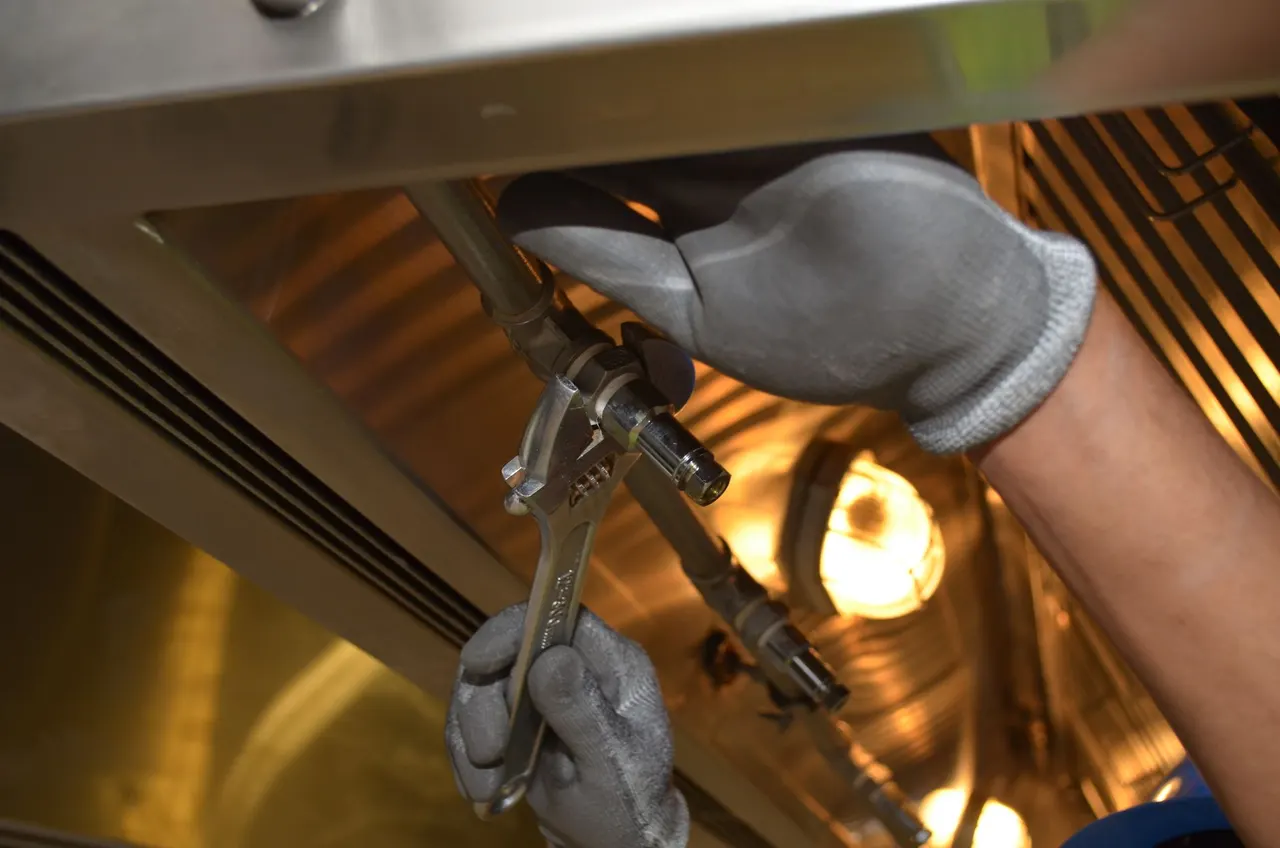
Move across a circle, or focus it and press Enter, for an illustrative thermal view of the photograph.
Manual J load software
Calculates room-by-room heat loss so the new furnace matches the house rather than the size of the old unit.
Combustion analyzer
Verifies clean combustion and safe CO levels at startup, before the furnace is handed over.
Digital manometer
Sets inlet and manifold gas pressure to the manufacturer's high-altitude values during startup.
Static pressure gauge
Checks that existing ductwork can carry the new furnace's airflow, and flags duct changes if it cannot.
Thermal views are illustrative, generated from the photographs.
Methods
Load-based sizing
Furnace size is chosen from the heat-loss calculation, which often reveals a smaller furnace will heat better and last longer.
Jurisdiction check first
Before quoting, we look up the parcel to see which building department holds jurisdiction.
Venting matched to efficiency
80 percent furnaces keep code-compliant metal venting, while condensing furnaces get sealed PVC with proper terminations and drains.
Full startup testing
Every stage is fired and tested for gas pressure, combustion, CO and temperature rise before the homeowner walkthrough.
Replacement Projects We Handle
Rusting heat exchanger
A Sterne Park ranch has a 26-year-old 80 percent furnace with a rusting heat exchanger and rising gas bills.
We run a heat-loss calculation, find the house needs about 20 percent less capacity after past window upgrades, and install a 96 percent two-stage furnace with sealed PVC venting, plus a liner so the water heater still drafts properly up the old chimney.
Outcome: The house heats more evenly, the furnace runs quieter cycles and the permit and inspection are completed through the City of Littleton.
Condo closet
A Littleton condo owner's closet furnace fails in November and the building only allows certain venting routes.
We check the closet dimensions and HOA venting rules, select a compact furnace that fits and vents through the approved route, and complete the installation with protection for shared hallways.
Outcome: The condo has reliable heat within days, and the installation meets both code and building rules.
Jefferson County permit
A Columbine Knolls homeowner in unincorporated Jefferson County wants to replace an aging furnace before winter.
We confirm the address falls under Jefferson County rather than the City of Littleton, file the permit there, size the new furnace and install it in a single day.
Outcome: The furnace is permitted and inspected by the correct office, avoiding delays from filing with the wrong jurisdiction.
Sterne ParkColumbine KnollsKetring Park area condos
Replacing Furnaces in Littleton Homes
Several Littleton conditions shape every replacement quote we write. Mid-century brick ranches often vent the furnace and water heater up one masonry chimney, later split-levels are frequently on a second or third unit, and roughly two in five local homes are attached or multi-family, where closets and HOA rules narrow the options.
Altitude matters as well, since furnaces lose capacity at about 5,351 feet and must be set up with high-altitude gas pressure. State law now requires new gas furnaces sold in Colorado to meet a 14 ng/J NOx limit, which shapes which models are on the market. Our furnace replacement in Littleton handles all of these from the first assessment.
Once heater repair in Littleton, CO stops paying off, we aim for a furnace sized, vented and permitted correctly for the next 15 to 20 winters.
Sterne Park: Older homes here often share a chimney between the furnace and water heater, so moving to a condensing furnace may require a chimney liner.
Columbine Knolls: Many homes here have Littleton addresses but sit in unincorporated Jefferson County, so permits go through Jefferson County, not the city.
Ketring Park area condos: Closet furnaces with shared venting and HOA rules require careful model selection and venting approval before replacement.
Thinner air at our elevation: Furnaces lose capacity at altitude, so sizing and gas setup must use high-altitude values from the manufacturer.
Three permit jurisdictions under one mailing name: Filing with the wrong office delays the project, so the jurisdiction is confirmed before the quote.
Colorado's 14 ng/J NOx limit for new gas furnaces: Only compliant models can be sold in the state, which affects equipment choices and availability.
Installer reviews the plan and protects floors and paths
Old furnace removed and new unit set, vented and connected
Startup tested and new furnace walked through with you
From problem to finished result.
IllustrativeThe thermal view is generated from the photograph. It is not a measurement. Drag the handle, or use the arrow keys once it is focused.
Rusting heat exchanger in Sterne Park
Before: A 26-year-old 80 percent furnace had visible heat exchanger rust, rising gas bills and a cold back bedroom.
After: A smaller, correctly sized 96 percent two-stage furnace with PVC venting and a chimney liner now heats the house evenly, with the back bedroom within two degrees of the living room.
Condo closet replacement
Before: A condo closet furnace failed in November, and the building restricted venting to one approved route.
After: A compact furnace that fit the closet and vented through the approved route was installed, with shared hallways protected during the work.
Keep the closet clear for airflow and service access, and follow the building's filter change schedule.
Jefferson County permit done right
Before: A Columbine Knolls homeowner had been told the City of Littleton would handle the permit for an aging furnace.
After: The address was confirmed in unincorporated Jefferson County, the permit filed there and the new furnace installed and inspected without delay.
Keep the permit and inspection record with your home documents for future sale or insurance needs.
When Littleton Homeowners Choose Replacement
Replacement usually comes after one of a few turning points. Below are the four we meet most in Littleton houses, the cost of waiting and how a new furnace solves them.
Cracked heat exchangerCracked or rusted-through heat exchangerOnce the heat exchanger is breached, exhaust can leak into the airstream, and on most furnaces the repair costs nearly as much as a new unit. We confirm the condition with inspection and CO testing, explain the findings, and quote a correctly sized replacement so the furnace does not have to keep running unsafely.
Old and unreliableFurnace over 20 years old with repeat repairsEach winter brings another breakdown, parts become harder to find and gas bills stay high from low efficiency. We compare the next likely repairs with the cost of a new furnace, then size and install a high-efficiency model that matches the house and venting.
Oversized furnaceUneven heat and short cycling from an oversized furnaceThe thermostat hallway gets hot, the far bedrooms stay chilly and constant restarts age the furnace early. A heat-loss calculation often shows the house needs a smaller furnace. A correctly sized two-stage unit runs longer, quieter cycles and evens out temperatures.
Condo closet unitCondo or townhome closet furnace at the end of its lifeTight closets, shared venting and HOA rules make a rushed winter replacement harder and more expensive. We measure the closet, check venting and HOA requirements, and choose a furnace that fits the space and the building's rules before the old unit fails.
What a Properly Sized New Furnace Changes
A furnace sized and installed right for the next 15 to 20 winters.
Even heat in every room
Sizing from a heat-loss calculation, plus a two-stage or variable-speed blower where it fits, keeps back bedrooms and basements within a couple of degrees of the main rooms instead of the cold spots oversized units leave behind.
Lower gas use
Moving from a 1990s 80 percent furnace to a 95 percent or higher condensing model means more of each therm becomes delivered heat. Over a full Littleton winter, the difference shows up on the Xcel Energy bill.
Fewer winter breakdowns
A new furnace resets the clock on igniters, inducers, boards and the heat exchanger. Paired with annual maintenance, most households go years without a no-heat call.
A permitted, inspected install
We file the permit with the correct city or county office and schedule the inspection, so the installation is on record. That protects you when you sell the house or file an insurance claim.
What a written scope covers.
What a written scope covers and what shapes it. Prices are set by the business after the first look.
The cost for a 2,000 square foot house depends far more on the furnace you choose and your venting than on square footage. A Littleton home that size often needs 60,000 to 80,000 BTU, but insulation and windows can push that up or down. An 80 percent furnace on existing B-vent costs least, while a 96 percent two-stage model with new PVC venting costs more. We quote after a heat-loss calculation.
In most cases, yes. A 25-year-old furnace is past the typical 15 to 20 year lifespan, often has a tired heat exchanger and may need parts that are discontinued. Replacing it before it fails lets you plan the work instead of rushing it on a cold night. If it still runs safely, a CO test and heat exchanger inspection help you decide on timing.
It is a starting point only, since safety, efficiency and comfort problems also matter.
Income-qualified Colorado households may get a free repair or replacement of a non-working furnace through Energy Outreach Colorado's Crisis Intervention Program. You must first be approved for LEAP, the state's Low-Income Energy Assistance Program, and the furnace must not be working. Apply for LEAP first, and the program will tell you the next step.
Call to book an assessment. We calculate the right size, explain your options and costs in writing, file the permit with the correct office and install the new furnace in about a day. If a repair makes more sense, we will tell you.
Call (983) 200-5821 and describe the problem: a cold house, burners that light and go out, a flashing LED or a new sound. Keep your street address handy so we can confirm your county. For planned work such as yearly maintenance or pricing a new furnace, the contact form works too.