
Castle Rock homes
Newer houses and two-furnace layouts need careful testing of each unit.
- Each furnace tested
- Permit and registration check
- HOA awareness
Furnace Repair in Castle Rock serves a county seat of more than 73,000 residents at about 6,200 feet, where winter arrives early and stays. You get a test, a plain explanation of the failure and a quoted price before anything begins. For heater repair in Castle Rock, call (983) 200-5821.
Littleton, Colorado
Castle Rock and central Douglas County
Castle Rock takes its name from the castle-shaped butte that rises over the middle of town. Settlers arrived in the 1870s, the town was founded in 1874 and incorporated on April 14, 1881, and its central location made it the Douglas County seat. Rhyolite quarrying and the arrival of the Denver and Rio Grande Railway drove early growth, and the old depot now holds the Castle Rock Historical Museum.
A star was built on the butte by the Works Progress Administration in 1936, and it is lit each year in the days before Thanksgiving. The 2020 census counted 73,158 residents, and the figure keeps climbing. For heating, that story produces three kinds of house: a small number of historic buildings downtown, established neighborhoods from earlier decades, and a large amount of recent construction on the town's edges.
At roughly 6,224 feet, with the Palmer Divide close by, heating season runs long, and we plan our work around that.
Castle Rock sits well south of Littleton on the Interstate 25 corridor, and its homes are mostly newer. That means we spend less time on ancient equipment and more on ignition, airflow and control issues in modern furnaces, plus replacement questions for houses that are approaching their first big repair.
Good to know in Castle Rock
Furnaces run many hours, and wear shows up as lockouts and weak airflow.
Residential furnace permits are among the permit types listed on the Town's residential permits page.
A large planned community of newer homes, many heated by modern high-efficiency furnaces, in neighborhoods with homeowner associations.
The service list matches what a growing, mostly newer town needs: reliable diagnosis, tune-ups and well-planned replacements.
On a Castle Rock night when the wind comes across the Palmer Divide, a furnace that will not warm the house cannot wait long.
Should gas be detectable by smell, or a CO alarm go off, everyone leaves the house and someone phones Xcel Energy or 911.
Newer subdivisions mostly use electronic ignition, and when it falters the furnace clicks, tries, and locks out.
A furnace that fires and stops again within a minute is protecting itself from something.
Large two-story homes push a lot of air through long duct runs, which puts strain on the blower motor. We measure amperage and airflow so a weak motor is caught before it fails.
Programmable and smart thermostats are common in Castle Rock's newer houses. Before blaming the furnace we confirm the thermostat wiring, batteries and settings, then test the control board.
Rattles, whooshes and a delayed bang on startup each have a different explanation. We trace the sound to a panel, a bearing or a burner and say whether it is minor or urgent.
Many homes here have two furnaces serving separate floors, and each deserves its own checkup. We clean, test the safety controls, take readings and fit a clean filter on every unit.
Condos and apartments near downtown often use electric heat. Elements, relays, sequencers and breakers are tested until the dead part is identified.
Retail space along the interstate and offices around the county seat need warmth during business hours. We schedule around your hours and give a short report on each unit.
Residential permits in Castle Rock go through the eTRAKiT portal, and the Town expects the contractor to hold current registration.
Pick a service to see how we approach it here.
We follow the thermostat call, safety switches and airflow to find where heat is lost.
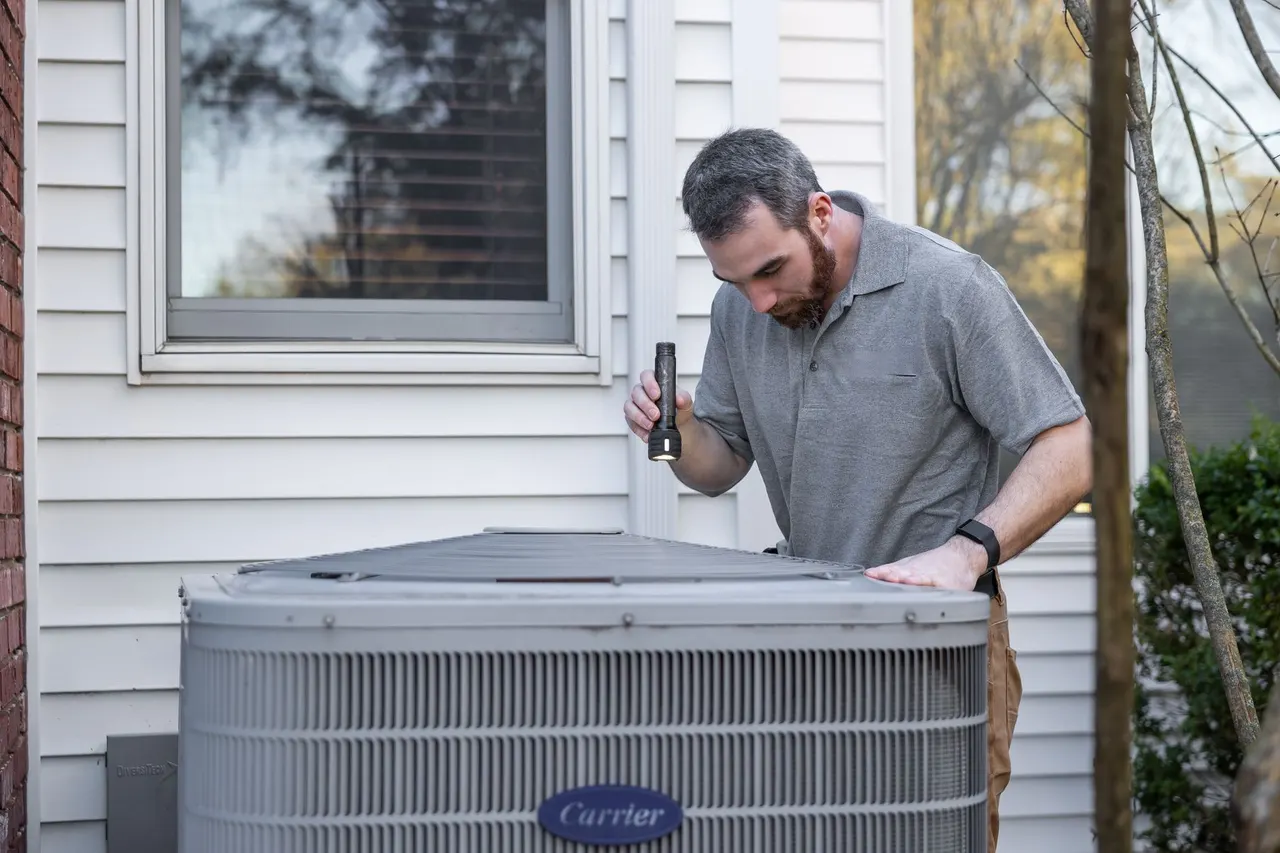
Go outside first and call Xcel Energy or 911. We return to the furnace after the home is cleared.
Electronic ignition can wear out, which is why igniter and gas valve both get tested.
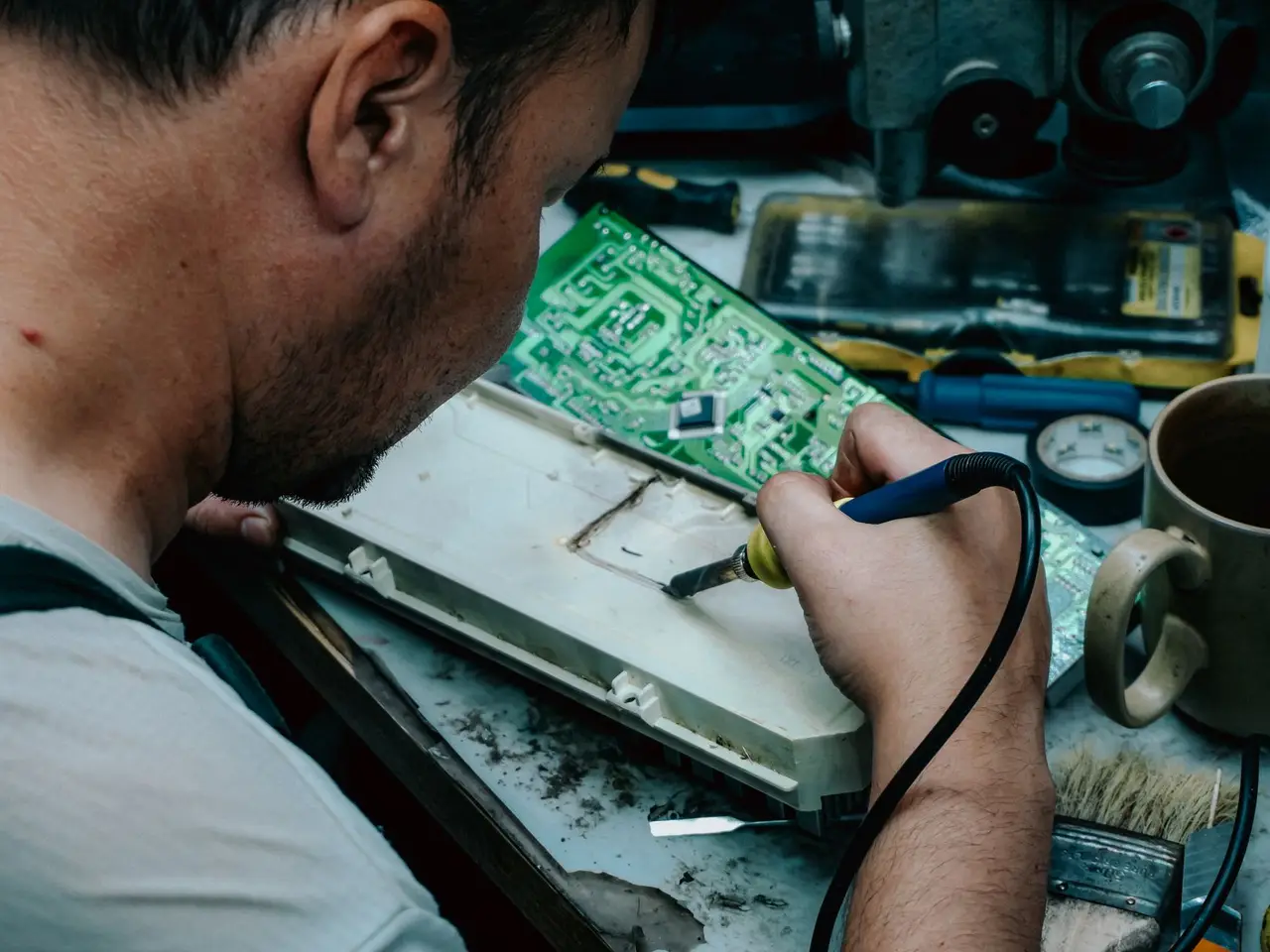
A coated sensor or restricted air often explains a furnace that quits early.
Castle Rock calls range from new-construction furnaces to downtown condos and storefronts.
Newer houses and two-furnace layouts need careful testing of each unit.
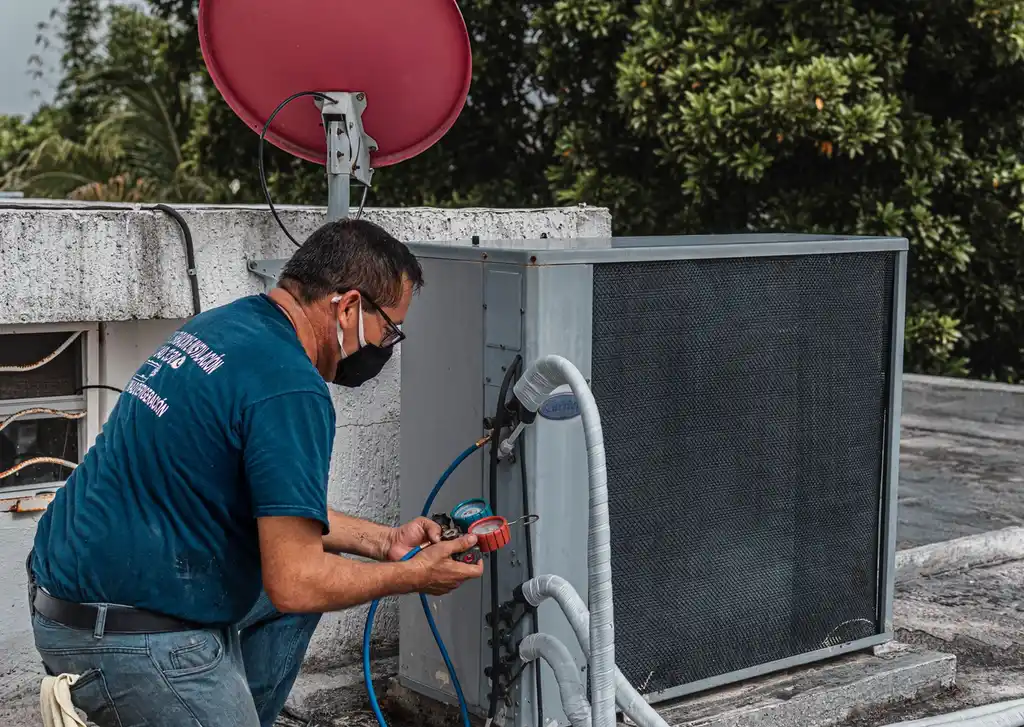
Interstate retail and downtown storefronts need heat that works through opening hours.
Most calls involve newer equipment working long hours.
Dust from construction and dry air builds up quickly.
Modern furnaces rely on electronics that can fail or lose a signal.
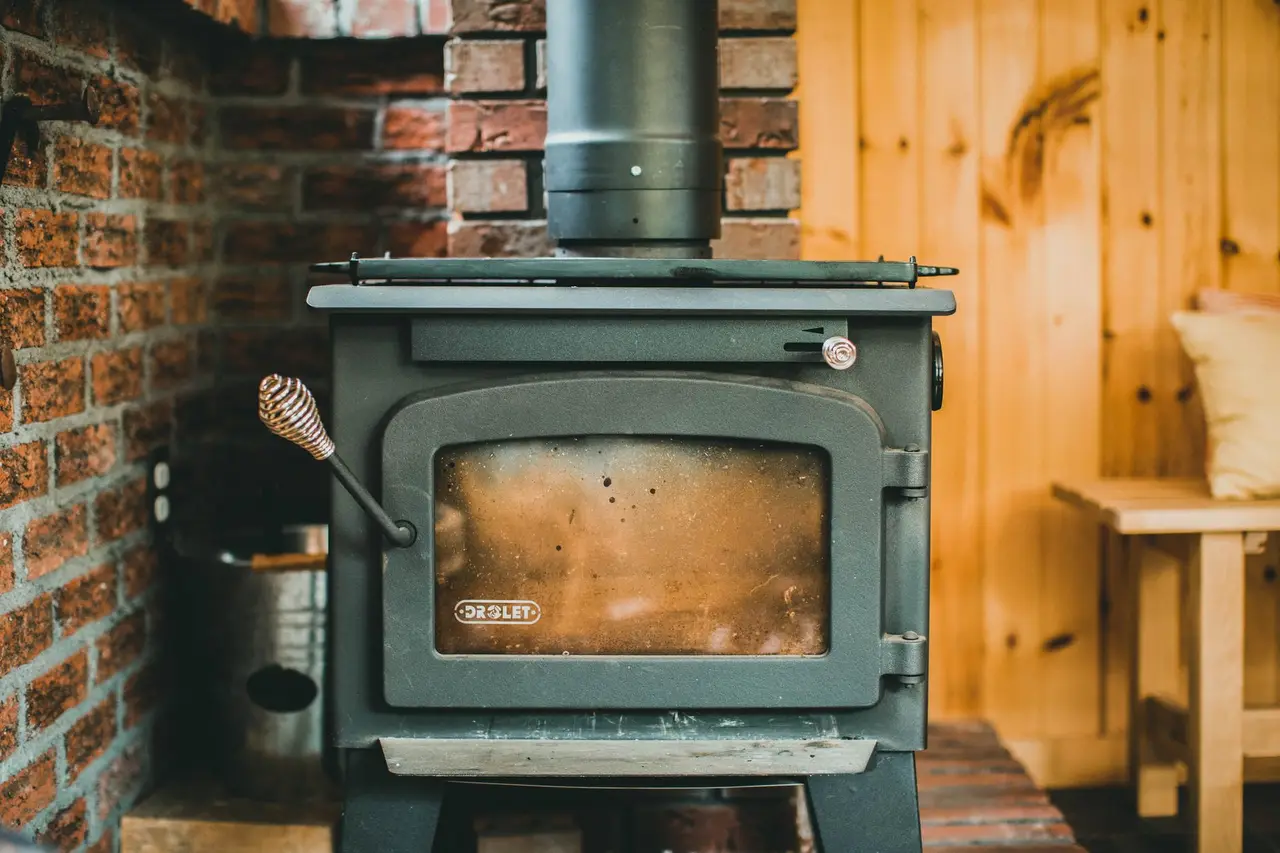
Large homes with long ducts and closed vents can restrict air.
Igniters wear after many seasons of cycling.
Early shutoffs, uneven floors and flashing control codes are the usual first signs in Castle Rock.
Any one of these is worth a call.
Nothing picked yet. Tap the signs you have noticed and this box will sum them up.
There is no price list here, because every job is different. These are the things that move an estimate most.
Sensors, igniters and boards cost differently from motors.
Two-furnace homes can double the testing time and parts.
Replacing a unit involves an eTRAKiT permit plus an inspection.
These places help us find an address and plan the drive.
Landmark
The town's namesake rock and lighted star are visible from many streets.
Landmark
Housed in the old depot on Elbert Street.
Landmark
One of the original streets laid out when the town was founded.
Landmark
A large park of roughly 300 acres, widely used as a local reference.
Landmark
A downtown district of newer condominiums and apartments.
Commercial area
Retail and office tenants who rely on steady heat during business hours.
Commercial area
Smaller businesses often have older or unusually placed heating equipment.
Transit
This is where Founders Parkway meets the interstate.
Not listed? Call and we will tell you whether we can get to you.
Check my areaA higher elevation means cold arrives early and lingers.
Castle Rock is near several other Douglas County communities, and we cover them from one dispatch point.
Straight answers to what people ask first.
The Town takes residential permit applications in its eTRAKiT portal, and its residential permits page lists a residential furnace permit among the types.
Yes.
The Town allows homeowners to act as their own contractor for residential repairs and alterations, with a Homeowner Affidavit. Gas work still has to be safe, so many owners hire a professional.
Typical causes include a coated flame sensor, a blocked filter or limited airflow, and a technician can test each of them.
It is a longer drive, so we give arrival windows and handle no-heat and gas-safety calls first.
When a furnace quits early, heats floors unevenly or refuses to start, give us a call. We look it over, point to the fault and agree the price beforehand.
Call (983) 200-5821 and describe the problem: a cold house, burners that light and go out, a flashing LED or a new sound. Keep your street address handy so we can confirm your county. For planned work such as yearly maintenance or pricing a new furnace, the contact form works too.