Commercial furnace repair in Littleton for offices and shops
Commercial Furnace Repair in Littleton keeps offices, retail shops, churches, small warehouses and multi-unit buildings heated through Colorado winters. We work on rooftop gas heating units, commercial upflow furnaces and suspended unit heaters, testing ignition, burners, blowers, belts and controls before replacing anything. Repairs are planned around your business hours and approved by the owner or property manager. Heater repair in Littleton for commercial spaces of every size.
Confirm the approverDecision maker identified at intake
Plan roof accessSafety and conditions checked first
Find the root causeWeather and wear factors checked
Document the visitService record left for your files
What Commercial Furnace Repair Includes
Every commercial visit covers diagnosis, approvals and documentation along with the repair itself. Each commercial call covers the five items listed here. Larger projects, such as unit replacement or ductwork changes, are quoted separately.
Access and safety planning
Roof or mechanical room access, tenant rules and safety conditions are confirmed before work begins.
Heating sequence diagnosis
Ignition, flame sensing, gas pressure, inducer, blower and limits are tested to find the failed component.
Controls check
Thermostats, schedules and building controls are checked to confirm the unit receives and responds to a call for heat.
Written findings and price
The owner or property manager receives the diagnosis, repair recommendation and price before work starts.
Service record
A record of the unit, problem, parts replaced and readings is provided for your maintenance files.
Homes and businesses.
The approach is the same for a home and a business. What changes is the access, the schedule and who needs the paperwork.
Multi-unit buildings
Apartment and condo buildings often combine individual furnaces with shared rooftop or boiler-room equipment. We coordinate with managers and tenants and repair the units that serve each space.
Tenant unit with no heat
Shared rooftop unit failing
Closet furnaces in many units
Offices, shops and churches
Commercial spaces need heat when people arrive and minimal disruption during the day. We plan access, diagnose the unit and get approval from the owner or manager before repairs.
Rooftop unit down at opening
Suite colder than the rest
Shop heater cutting out
Commercial Furnace Repair in Littleton Explained
A plain-language look at what Commercial Furnace Repair involves and when it is needed.
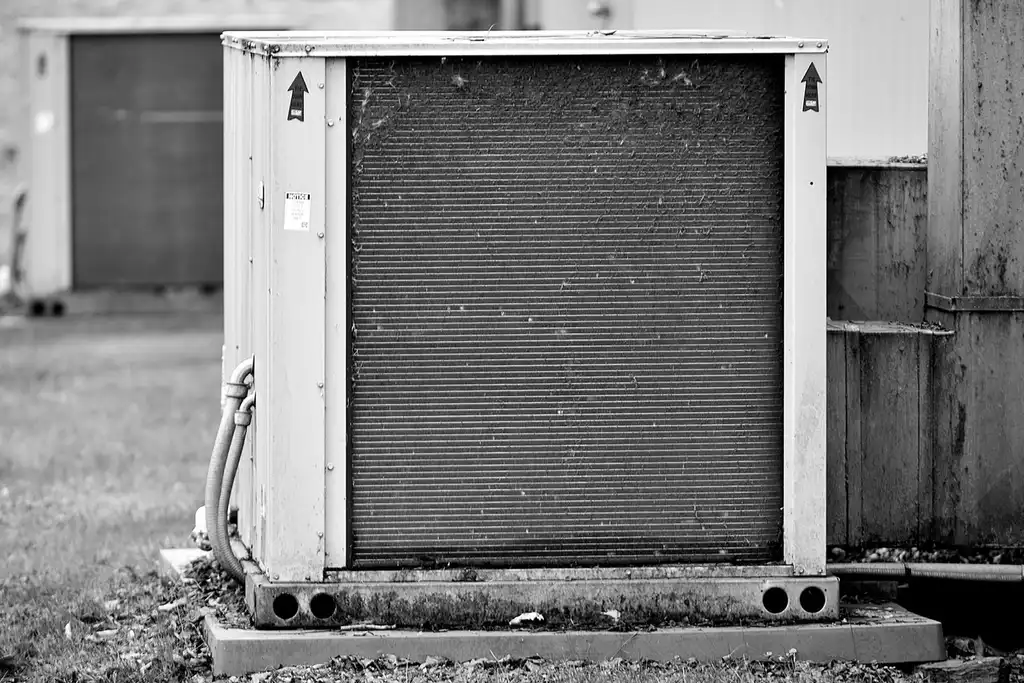
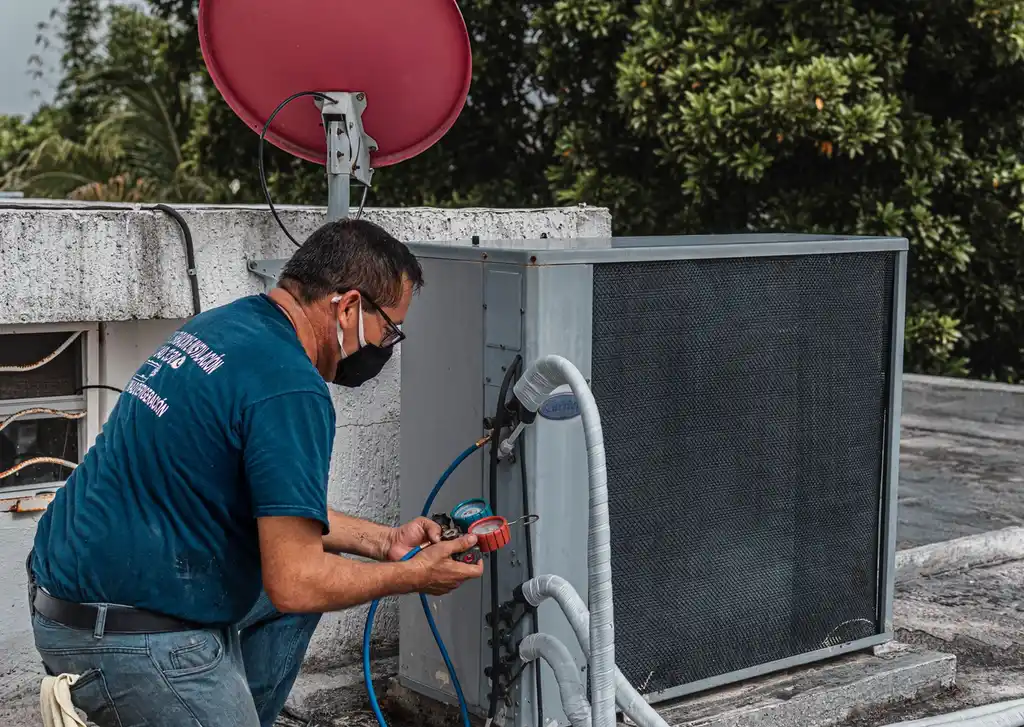
Commercial Furnace Repair in Littleton is a heating repair service for business and multi-tenant properties that use larger or different equipment than a typical home. Many small commercial buildings are heated by packaged rooftop units that combine a gas heat section, a blower, often a cooling section and sometimes an economizer. Others use commercial upflow furnaces in mechanical rooms or suspended gas unit heaters hanging from shop and warehouse ceilings. The core heating parts are familiar, including igniters, flame sensors, gas valves, inducers and limit switches, but access, controls and scheduling are very different from residential work.
Littleton's commercial buildings face the same winter swings as its homes, plus a few added challenges. Rooftop units sit fully exposed to wind, snow and ice, so frozen condensate lines, iced intakes and wind-driven moisture cause failures that basement furnaces never see. Businesses also need repairs to fit around operating hours, tenants and access rules. Searches for commercial heating repair near me in Littleton often come from owners and managers who need a cold office, store or worship space fixed without shutting down for a day.
What it is
Repair of rooftop units, commercial furnaces and unit heaters serving offices, shops and multi-unit buildings.
When you need it
A cold space at opening, uneven heat across suites, a squealing unit or a heater that keeps shutting off.
What to expect
Access planning, full diagnosis, written findings and price, approved repairs and a service record.
Our Commercial Repair Process
Commercial heating calls follow a structured process so that access, safety and approvals are handled before the technician is on the roof or in the mechanical room. Most single-unit repairs take two to four hours, depending on access and the equipment involved.
Intake and access
When you call, tell us the building type, the number and type of heating units, which areas are cold and how we gain roof or mechanical room access. We also confirm who approves repairs and any tenant or safety rules on site.
Building
Units
Access
On-site diagnosis
The technician runs the unit through its heating sequence, reads control board codes and tests ignition, flame sensing, gas pressure, inducer, blower and belt condition. Building controls and thermostats are checked for correct calls.
Sequence
Codes
Controls
Written findings
We explain the failed part, the cause and the repair cost to the owner or property manager, and note any other worn parts found on the unit. Work begins only after approval.
Findings
Price
Approval
Repair and coordinate
Repairs are completed with attention to tenant disruption, noise and safe roof work. If parts must be ordered, we explain the timing and any temporary steps to protect the space.
Repair
Coordinate
Safety
Test and document
Once the fix is in, the unit cycles several times while we read temperature rise and gas pressure, measure CO where needed and leave a service record for your maintenance files.
Cycles
Readings
Record
Commercial Repair Tools and Methods
Move across a circle, or focus it and press Enter, for an illustrative thermal view of the photograph.
Combustion analyzer
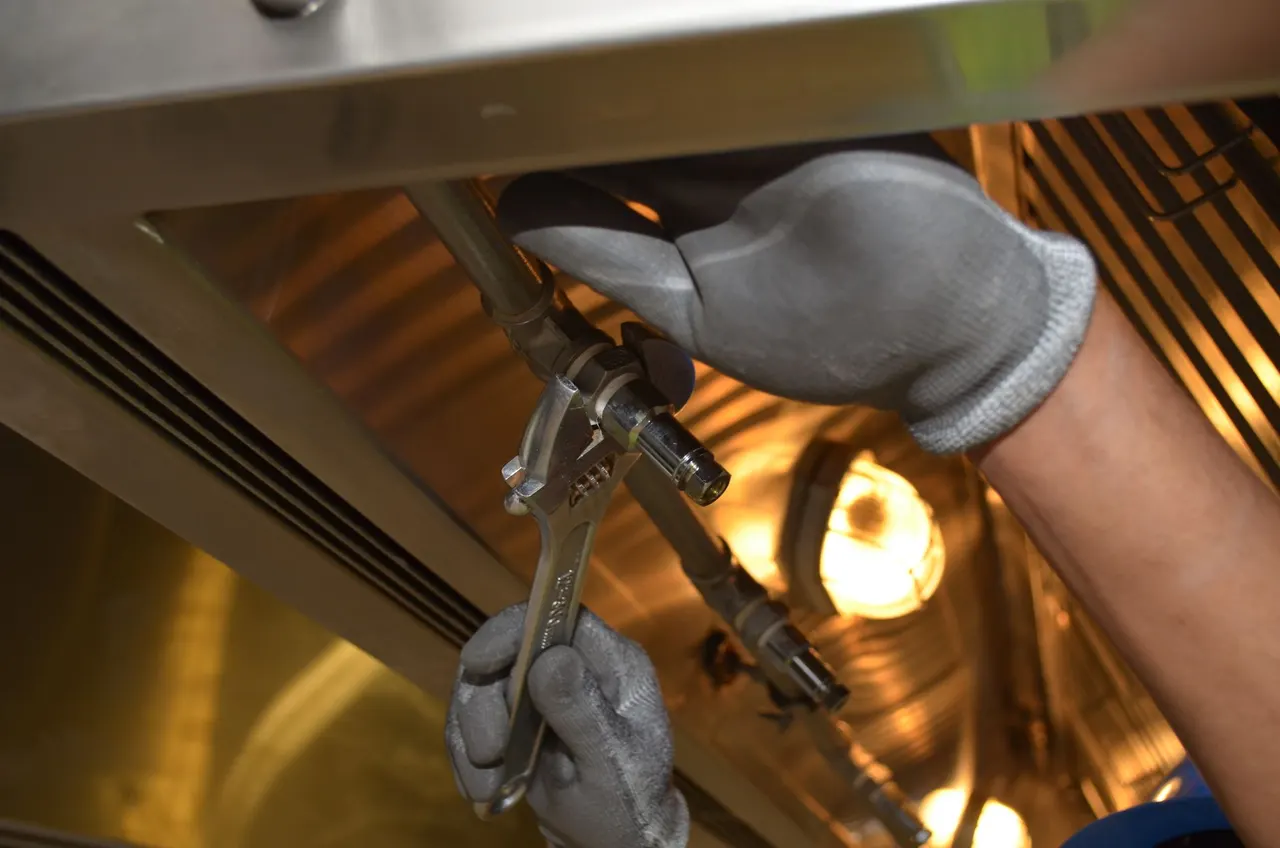
Measures CO and combustion quality on rooftop units, furnaces and unit heaters after repairs to burners, gas valves or venting.
Digital manometer
Reads gas pressure and draft on commercial units, which often have different settings than residential furnaces.
Belt tension gauge
Sets correct tension on belt-drive blowers, preventing slipping, squealing and early belt wear.
Multimeter and clamp meter
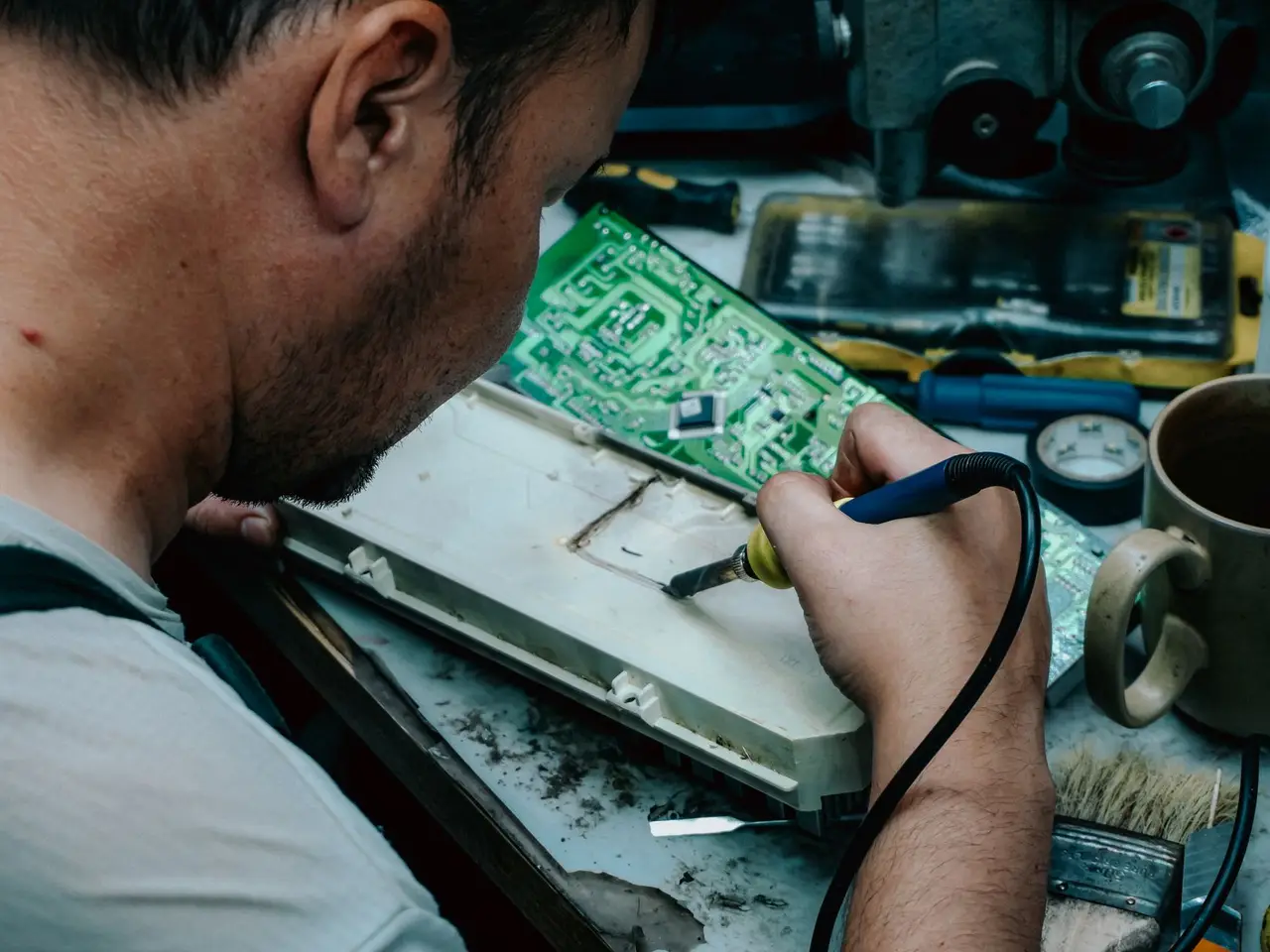
Tests igniters, flame signals, motors, transformers and control circuits on commercial heating equipment.
Thermal views are illustrative, generated from the photographs.
Methods
Access-first planning
Roof or mechanical room access, safety conditions and approvals are confirmed before work, so the repair goes smoothly once on site.
Sequence-of-operation testing
Commercial units are tested through their full heating sequence, the same way residential furnaces are, to find exactly where they fail.
Weather-driven root cause
Rooftop failures are checked for frozen condensate, iced intakes and wind effects, which are common causes in Littleton winters.
Documented repairs
Each repair is recorded with readings and parts, giving owners and managers a clear maintenance history for each unit.
Commercial Calls We Handle
Frozen condensate
A Downtown Littleton shop on Main Street finds the store cold at opening after a night in the single digits.
We find the rooftop unit's condensate line frozen and the pressure switch open. We clear the line, add heat tape and insulation, and confirm the unit lights and heats on several cycles.
Outcome: The store warms before customers arrive, and the frozen line is protected against the next cold night.
Cold office suite
An office building manager near County Line Road reports one suite always cold while others are comfortable.
We check the suite's thermostat, schedule and rooftop unit. The unit's blower belt is slipping and the thermostat schedule is wrong. We replace the belt, correct the schedule and test the unit.
Outcome: The suite reaches the same temperature as the rest of the building and the tenant complaints stop.
Shop unit heater
A light industrial shop near Santa Fe Drive has a suspended unit heater that lights, then shuts off within seconds.
We test the flame sensor, find it coated, clean it and check the venting and ground. The signal returns to normal and the heater runs steady cycles.
Outcome: The shop floor stays warm through the workday and the heater stops wearing its igniter with constant retries.
Downtown Main StreetCounty Line Road corridorSanta Fe Drive area
Commercial Heating in Littleton
Commercial heating in Littleton spans a wide mix of buildings. Downtown Main Street has older brick buildings with a range of furnaces and rooftop units, some added over decades of renovations. Office and retail centers along Broadway, Littleton Boulevard and County Line Road often rely on packaged rooftop units, one per suite or zone.
Light industrial and service businesses near Santa Fe Drive use suspended unit heaters and larger furnaces for shop floors. All of these face Littleton's winter conditions, including single-digit nights, strong winds and heavy snow, which hit rooftop equipment harder than basement furnaces. Elevation matters too, since gas pressure and combustion settings must match high-altitude specifications.
Our commercial furnace repair in Littleton plans for access, approvals and these local conditions on every call. In commercial buildings, heater repair in Littleton, CO should leave a unit that keeps the space warm through the season with fewer repeat calls.
Downtown Main Street: Older commercial buildings here often have mixed heating equipment from different renovation eras, with access through shared roofs or basements.
County Line Road corridor: Office and retail centers here commonly use packaged rooftop units per suite, where belts, controls and schedules cause uneven heat.
Santa Fe Drive area: Light industrial shops nearby rely on suspended unit heaters, where flame sensors and venting problems are frequent winter issues.
Rooftop exposure to wind, snow and ice: Condensate lines freeze, intakes ice over and panels take wind-driven moisture, causing failures basement furnaces rarely see.
Business hours and tenant schedules: Repairs must be planned around openings, tenants and access rules, which shapes how and when work is scheduled.
High-altitude gas settings: Commercial units need gas pressure and combustion matched to Littleton's elevation, just like residential furnaces.
Technician confirms access, safety and who approves work
Unit panels opened and work area protected below
Repair tested and service record left for your files
From problem to finished result.
IllustrativeThe thermal view is generated from the photograph. It is not a measurement. Drag the handle, or use the arrow keys once it is focused.
Frozen condensate on a Main Street shop
Before: The rooftop unit stopped heating overnight in single-digit cold, and the store was near 52 degrees at opening.
After: The frozen condensate line was cleared, heat tape and insulation added, and the unit ran several clean heating cycles. The store reached its set point within the hour.
Have rooftop condensate lines checked each fall and confirm heat tape is working before the first deep freeze.
Slipping belt in an office suite
Before: A suite in a County Line Road office park ran several degrees cooler than its neighbors while its rooftop unit squealed.
After: A new belt, corrected tension and an updated thermostat schedule brought the suite in line with the rest of the building.
Include belt inspection and tension checks in seasonal maintenance for every rooftop unit.
Shop unit heater dropouts
Before: A suspended unit heater lit and shut off within seconds, leaving the shop floor cold through the morning shift.
After: The flame sensor was cleaned and the ground checked. The heater ran steady cycles and the shop warmed evenly.
Schedule annual cleaning of flame sensors and burners on all unit heaters before winter.
Commercial Heating Problems We Fix in Littleton
Commercial heating problems in Littleton tend to follow the equipment and the weather. These are the issues we see most often on rooftop units and commercial furnaces, what they cause and how we fix them.
Cold-night shutdownRooftop unit stops heating on the coldest nightsThe building cools overnight, employees arrive to a cold space and pipes or sprinkler lines can be at risk. We check for frozen condensate lines, iced intakes, weak igniters and pressure switch problems caused by wind, then clear the cause and add protection such as heat tape where appropriate.
Belt failureBlower belt squealing or brokenAirflow drops or stops entirely, the unit overheats on its limit switch and spaces below stay cold. We replace worn belts, check pulley alignment and tension, inspect blower bearings and confirm airflow and temperature rise after the repair.
Uneven zonesUneven heat across offices or retail zonesSome areas are too warm while others stay cold, leading to complaints from tenants, staff and customers. We check thermostat locations, schedules and zone controls, along with each unit's heating output, and correct settings or repair the units that are underperforming.
Unit heater dropoutsShop unit heater lighting then shutting offWork areas stay cold and the unit wears parts quickly with repeated start attempts. We test the flame sensor, venting and pressure switch on the unit heater, clean or replace the failed part and confirm steady operation.
What Reliable Commercial Heat Delivers
Warm spaces at opening, with approvals and records handled.
Spaces open on time
Repairs are planned around your schedule whenever possible, so employees and customers walk into a warm building. Urgent failures that threaten opening hours are prioritized.
Protected buildings
A dead heating unit in deep cold can freeze sprinkler lines, plumbing and inventory. Restoring heat quickly and correctly protects the building and its contents.
Clear approvals and records
Owners and managers get a written description of the problem, the proposed repair and its cost before work begins, plus a record of what was done for maintenance files.
Fewer repeat calls
Commercial units often fail for the same reason more than once. Finding root causes such as frozen condensate, dirty burners or worn belts reduces repeat service calls through the season.
What a written scope covers.
What a written scope covers and what shapes it. Prices are set by the business after the first look.
Yes, we repair packaged rooftop units with gas heat sections, which are common on small offices, retail buildings and churches around Littleton. Repairs cover ignition, flame sensing, gas valves, inducers, blowers, belts and controls. Roof access is arranged ahead of time with whoever runs the building.
In many cases, yes. We plan non-urgent repairs and diagnostics around opening hours or tenant schedules when possible, and we prioritize urgent failures that threaten opening the building or freezing pipes. Tell us your hours when you call so we can plan the visit.
Rooftop units often stop heating in deep cold because of frozen condensate lines, iced combustion intakes, a weak igniter or a pressure switch that cannot prove draft in high wind. We check each of these causes and add fixes such as heat tape or intake protection where needed.
We find out who approves repairs during the first phone conversation, whether that is the owner, a property manager or a facilities contact. The findings and price go to that person before any repair begins, and a service record is provided after the work is complete.
Tell us the building type, the heating equipment and which areas are cold, along with how we access the roof or mechanical room. We diagnose the unit, explain the repair and price to the right decision maker and document the work for your files.
Call (983) 200-5821 and describe the problem: a cold house, burners that light and go out, a flashing LED or a new sound. Keep your street address handy so we can confirm your county. For planned work such as yearly maintenance or pricing a new furnace, the contact form works too.