Furnace blower and motor repair in Littleton for weak or no airflow
Furnace Blower & Motor Repair in Littleton handles the two motors your furnace depends on: the blower that pushes warm air through the ducts, and the small inducer that clears exhaust before the burners light. When either one hums, squeals, runs slow or stops, rooms go cold or the furnace locks out. Our tech checks the motor, capacitor and wheel, then repairs whatever failed. Our heater repair in Littleton covers PSC and ECM motors alike.
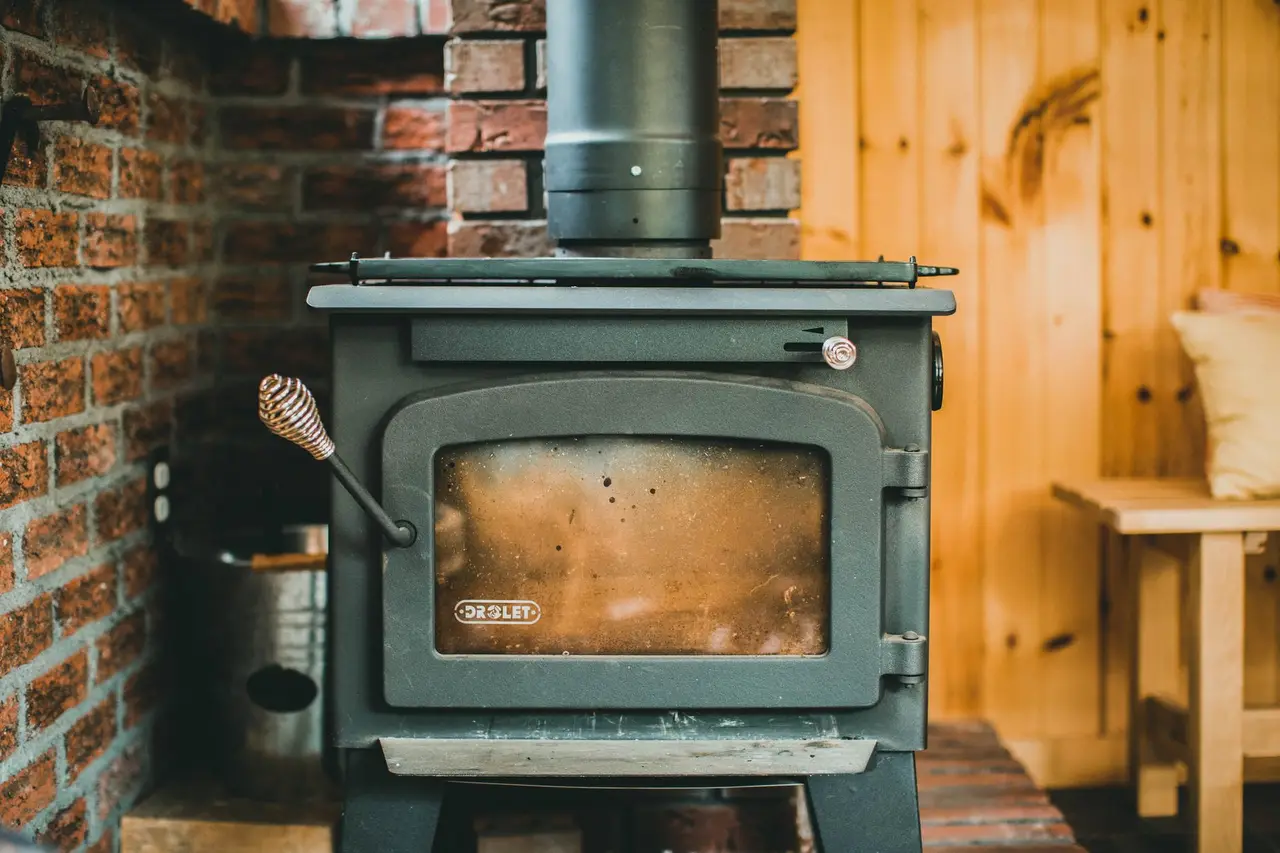
Test the capacitorMicrofarads read before any motor swap
Spin by handBearings and wheel checked for drag
Confirm airflowRise and static pressure rechecked
What Blower and Inducer Repair Includes
Every motor repair includes electrical and mechanical testing of the motor that is failing, plus a check of the parts that control it. The inclusions below are part of every visit. If an ECM motor or brand-specific inducer has to be ordered, you hear the price and wait time first.
Motor identification
We confirm whether the blower or inducer is failing by watching the start-up sequence and reading the control board's fault codes.
Capacitor test
The run capacitor is measured in microfarads against its rating. A weak capacitor is replaced before any motor is condemned.
Winding and amp draw check
Motor windings are tested for resistance and shorts to ground, and running amps are compared with the motor nameplate.
Wheel and bearing inspection
The blower wheel is checked for dirt buildup, loose set screws and wobble, and the motor and inducer bearings for play and noise.
Airflow confirmation
After the repair, temperature rise and static pressure readings show whether the furnace now moves the right amount of air.
Homes and businesses.
The approach is the same for a home and a business. What changes is the access, the schedule and who needs the paperwork.
Homes and condos
When the blower or inducer fails, the house goes cold even if the burners still work. We test the motor and capacitor, fix what failed and confirm air is moving properly again.
Blower hums with no airflow
Weak air from every vent
Whine before a lockout
Shops and offices
Commercial furnaces and rooftop units have larger blowers that wear under long run times. We test the motor, wheel and drive, coordinate access and go over the repair with the owner or manager.
Rooftop blower not starting
Belt or bearing noise
Weak airflow in work areas
Furnace Blower & Motor Repair in Littleton, Part by Part
A plain-language look at what Furnace Blower & Motor Repair involves and when it is needed.
Furnace Blower & Motor Repair in Littleton covers the electrical and mechanical faults of the motors that move air through and out of a furnace. The blower motor turns a squirrel-cage wheel that pulls air from the returns and pushes it across the heat exchanger. Older furnaces use permanent split capacitor, or PSC, motors that rely on a run capacitor to start and spin. Newer furnaces often use electronically commutated, or ECM, motors with a built-in control module. The inducer motor is smaller and sits near the flue, creating draft so the pressure switch can close.
Blower and inducer failures in Littleton often follow long run times in December and January. A run capacitor that drifted below its rated microfarads in summer heat can leave a PSC motor humming instead of spinning on a cold night. ECM modules can fail after power surges from winter storms. Inducer bearings wear with every cycle and start to whine before they seize. When someone searches for a furnace blower not working in Littleton, the first job is to tell which motor stopped and whether the motor itself, the capacitor or the control signal is at fault.
Most humming blowers need a capacitor test before anyone talks about a new motor.
What it is
Fixing the blower motor, capacitor, wheel or inducer that moves air through and out of a furnace.
When you need it
A blower that hums, weak airflow, squealing or grinding, or an inducer whine before lockouts.
What to expect
Motor identification, capacitor and amp tests, a quoted repair and airflow measured afterward.
How We Repair Furnace Blowers and Inducers
A blower or inducer repair starts with figuring out which motor is failing and why, then testing the motor, capacitor and controls before anything is replaced. A one-part motor fix usually wraps up within an hour or two, and longer if a blower assembly must be removed from a tight closet.
Listen and describe
When you call, describe what you hear and feel: a hum with no airflow, a squeal at start-up, grinding, or weak air from the registers. Mention whether lockouts happen before the burners light, which points to the inducer rather than the blower.
Hum
Squeal
Lockout
Identify the motor
At the furnace, the technician runs a heat call and watches which motor starts, which stalls and what the control board reports. A blower that never starts and an inducer that never proves draft lead to very different repairs.
Blower
Inducer
Board
Test electrical parts
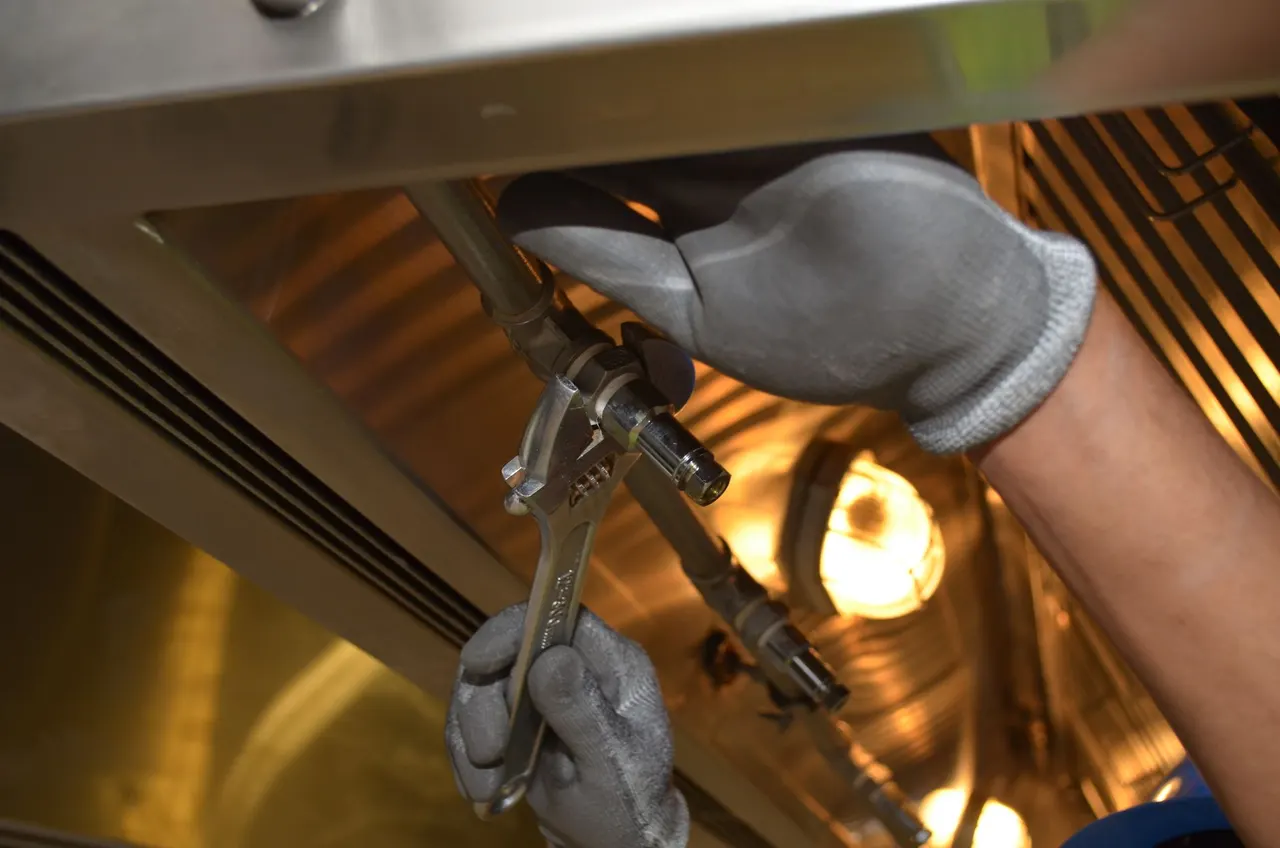
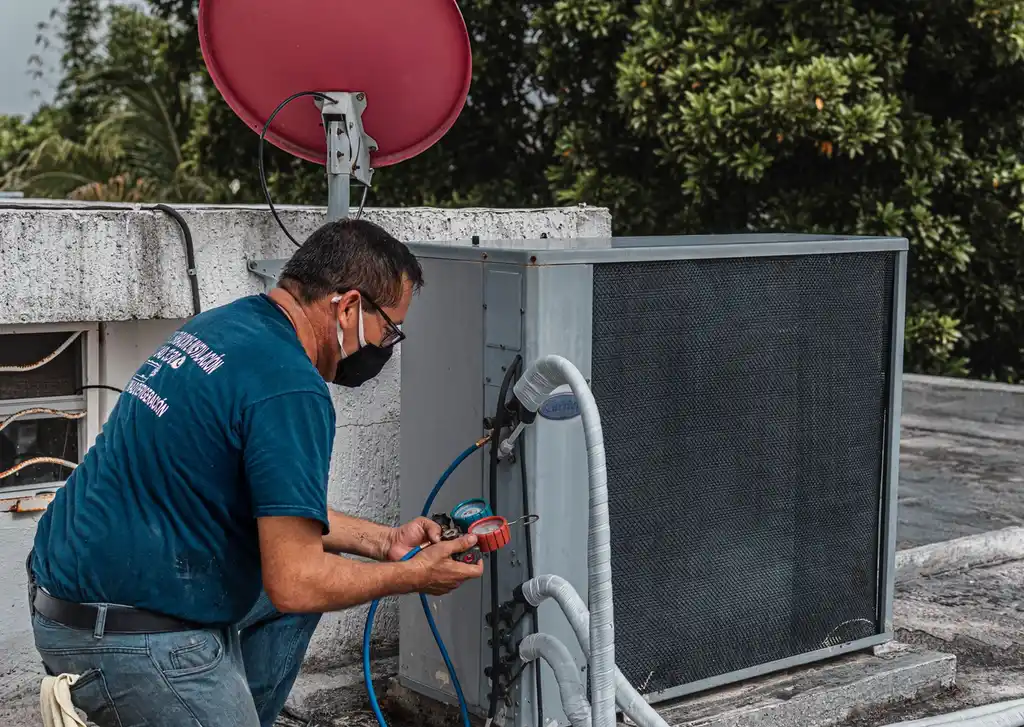
We measure the run capacitor in microfarads against its rating, check motor windings for resistance and shorts, and confirm the board sends power at the right time. On ECM motors, we test the control signal and module.
Capacitor
Windings
Amps
Inspect mechanical parts
We spin the blower wheel and inducer by hand, checking bearings for play and noise, the wheel for dirt buildup and the mounting for cracks. A heavily coated wheel can cut airflow by a third or more.
Bearings
Wheel
Mounts
Repair and confirm airflow
After replacing the capacitor, motor, wheel or inducer, we see how much the air heats up and how hard the ducts push back, run several cycles and confirm the pressure switch closes reliably. The readings and the work done go into a written summary for you.
Rise
Static
Cycles
Tools for Motor Diagnosis
Move across a circle, or focus it and press Enter, for an illustrative thermal view of the photograph.
Capacitor tester
Measures microfarad capacity of run capacitors, showing whether a weak capacitor is behind a humming or slow blower motor.
Clamp ammeter
Reads running amps on blower and inducer motors so we can compare them with nameplate ratings and spot motors under strain.
Static pressure gauge
Measures duct pressure before and after the repair to confirm the blower is moving air within the furnace's design range.
ECM motor tester
Separates ECM module faults from motor faults and confirms the board signal, avoiding unnecessary full motor replacements.
Thermal views are illustrative, generated from the photographs.
Methods
Capacitor-first approach
On PSC motors, the capacitor is tested before the motor. Many humming or slow blowers are fixed with a capacitor alone.
Mechanical spin test
With power off, the blower wheel and inducer are spun by hand to feel for bearing drag, play and noise, which often confirms a failing motor.
Airflow verification
Temperature rise and static pressure are measured after every motor repair, so the furnace runs within its rated range and the new motor is not overworked.
Speed and profile setup
Blower speed taps or ECM airflow settings are matched to the furnace and ductwork, preventing high temperature rise and premature motor wear.
Blower and Inducer Repair Scenarios
Humming blower
A Sterne Park homeowner hears a hum from the furnace on a December night, but no air comes from the vents and the burners shut off.
We find the run capacitor reading far below its rating. We replace it with a correctly rated capacitor, confirm the motor spins freely and check amp draw.
Outcome: Air flows again within minutes, the limit stops tripping and the repair cost a fraction of a new motor.
Whining inducer
A Littleton townhome furnace whines loudly at start-up, then locks out with a pressure switch code every few days.
The inducer bearings have worn and the motor slows under load. We replace the inducer motor and gasket, clear the pressure switch hose and confirm draft closes the switch every time.
Outcome: The furnace starts quietly and reliably, and the lockouts stop.
Packed wheel
A Heritage home with pets has weak airflow from every register, even after a new filter.
We pull the blower assembly and find the wheel blades packed with dust and pet hair. We clean the wheel, balance it and reinstall it, then measure temperature rise.
Outcome: Airflow improves noticeably, temperature rise drops into range and far bedrooms warm up evenly.
Sterne ParkHeritageTrailMark
Blower and Inducer Repair in Littleton Homes
Blower and inducer repairs in Littleton reflect the area's housing and weather. Older ranches near Downtown, Sterne Park and Goddard often have furnaces with PSC blowers and external capacitors, which weaken over hot summers when the same blower runs for air conditioning. By the first long cold stretch in December, a weak capacitor can leave the motor humming.
Homes and townhomes built or updated in the last 15 years often have ECM blowers, which run efficiently but are vulnerable to voltage spikes during winter storms. Condo and townhome closet furnaces work against restrictive returns, which raises static pressure and shortens motor life. Dry Colorado air and fine dust also coat blower wheels quickly in homes with pets or recent remodeling.
Up at roughly 5,351 feet, a furnace needs correct airflow to stay within its temperature rise range, since the lower-density air carries less heat per cubic foot. Each furnace blower and motor repair in Littleton weighs these factors, not just the motor that failed. Whenever heater repair in Littleton, CO involves a motor, we aim for a furnace that moves the right amount of air for its size and ductwork.
Sterne Park: Older furnaces with PSC blowers and external capacitors here often hum on the first cold nights after a summer of air conditioning use.
Heritage: Homes with pets and original ductwork see blower wheels fill with hair and dust, cutting airflow until the wheel is cleaned.
TrailMark: Newer furnaces with ECM blowers are efficient but can lose their modules to winter power surges, showing motor fault codes.
Year-round blower use for heating and cooling: Capacitors and bearings wear faster when the same blower runs in summer and winter, so motor failures often show up in the first heavy cold.
Winter storms and power surges: Surges can damage ECM modules and control boards, stopping the blower even when the motor itself is sound.
Restrictive returns in closet installations: High static pressure makes blower motors work harder and run hotter, shortening their lifespan in condos and townhomes.
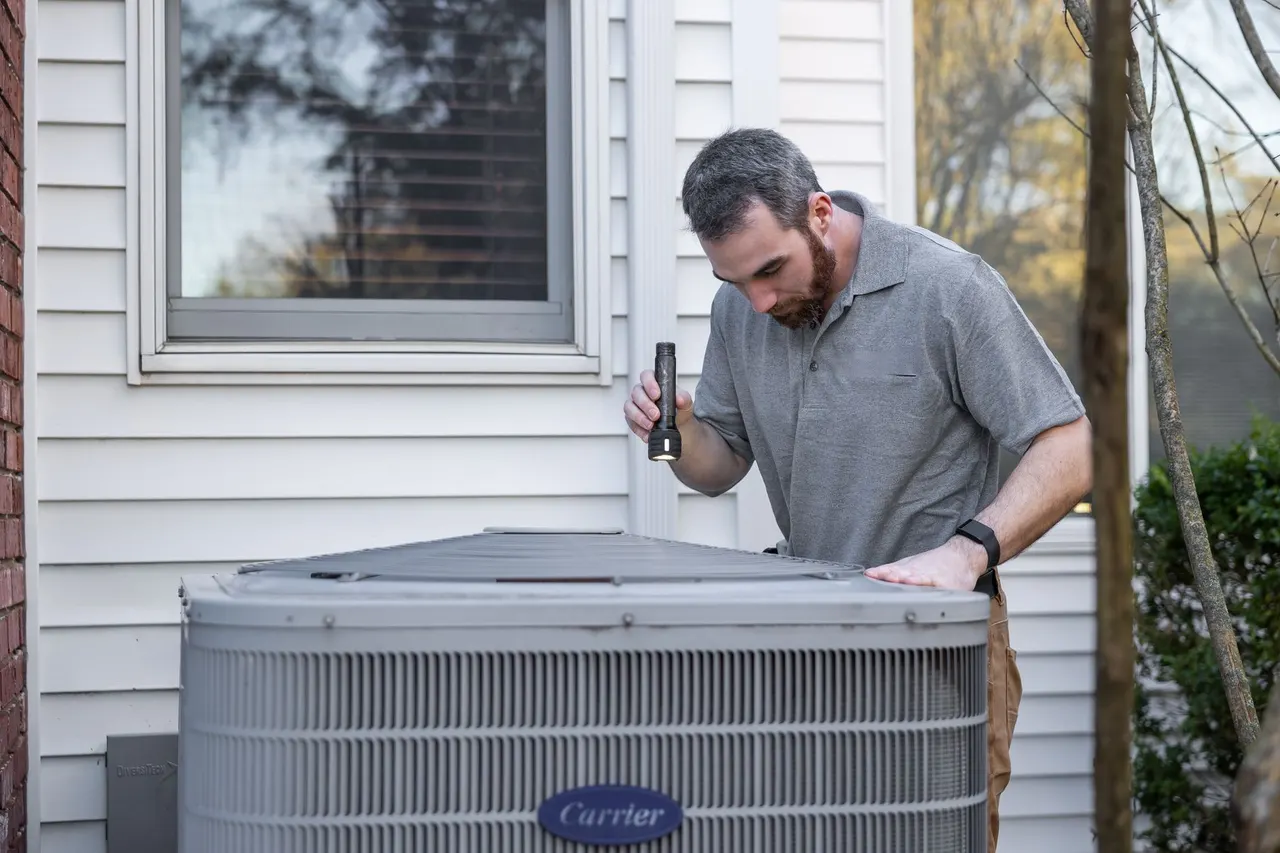
Technician listens to the motor and identifies which one is failing
Floor protected and blower door removed for testing
Airflow rechecked and readings shared with you
From problem to finished result.
IllustrativeThe thermal view is generated from the photograph. It is not a measurement. Drag the handle, or use the arrow keys once it is focused.
Humming blower in Sterne Park
Before: The furnace hummed but moved no air, the burners shut off on the limit switch and the house cooled into the low 60s.
After: A new run capacitor brought the motor back to full speed, amp draw returned to the nameplate range and temperature rise settled within the rating.
Have the capacitor tested at each fall tune-up, and replace it if it reads low before it fails completely.
Whining inducer in a townhome
Before: The inducer whined at every start and the furnace locked out with a pressure switch code several times a week.
After: A matched inducer motor and gasket were installed, the pressure switch hose was cleared and the switch closed on every start during testing.
Call if a new whine or rattle develops, since inducer bearings tend to get louder before they fail.
Packed blower wheel in Heritage
Before: Airflow was weak at every register even with a new filter, and far bedrooms stayed several degrees colder than the living room.
After: After cleaning the wheel and reinstalling it, temperature rise dropped into range and the far bedrooms warmed within a few degrees of the main rooms.
Change filters on schedule, especially with pets, and have the blower wheel inspected every year or two.
Fixing a Furnace Blower Not Working in Littleton
Motor problems show up as a few distinct symptoms. Every symptom leads somewhere specific, and a few mimic unrelated furnace failures. These are the blower and inducer problems we fix most often in Littleton.
Hums, no spinBlower hums but never spinsHeat builds in the cabinet until the limit trips, the house stays cold and the stalled motor can overheat if left running. The run capacitor is checked first and swapped if it reads low. If the capacitor is good, we check bearings and windings, replacing the motor only when it has truly failed.
Weak airflowWeak airflow from every registerRooms warm slowly, far bedrooms stay cold and high temperature rise stresses the heat exchanger over a full winter. We pull and clean the blower wheel, look at the filter and measure static pressure. If the wheel is clean, we test motor speed and capacitor strength.
Inducer whineInducer whines, then furnace locks outThe furnace fails to prove draft, never lights and eventually stops trying, leaving the house without heat. We check inducer bearings, the wheel and the motor, along with the pressure switch hose and port. A worn inducer is replaced with a matched motor and new gasket.
ECM after surgeECM blower stops after a power surgeA furnace with a failed ECM module will not move air at all, and the furnace may show a motor fault code. We test the board signal and the ECM module and motor separately. Depending on the failure, we replace the module or the full motor and set the correct airflow profile.
What a Blower or Inducer Repair Restores
Steady airflow that carries heat to every room.
Warm air reaching every room
With the blower spinning at the correct speed, air crosses the heat exchanger and travels on to the far bedrooms. Temperature rise drops back into the rating plate range, and rooms at the end of long duct runs finally warm up.
No more limit trips
A slow or stopped blower leaves heat sitting around the heat exchanger until a safety limit kills the flame. Restoring airflow ends those trips and the short, frequent cycles that come with them.
Quieter operation
Worn bearings, a wobbling blower wheel or a failing inducer can hum, squeal or grind. Replacing the worn part or cleaning and balancing the wheel brings back the low, steady sound a healthy furnace makes.
Reliable start-up
A healthy inducer creates draft so the pressure switch closes on every call for heat. Fixing a weak inducer stops the repeated failed starts and lockouts that look like an ignition problem.
What a written scope covers.
What a written scope covers and what shapes it. Prices are set by the business after the first look.
Included
Failing motor identified from the start-up sequence
A humming blower that does not spin usually comes down to a dead capacitor or bearings that have locked up. The motor receives power but cannot start turning. We test the capacitor first, since it is the less expensive repair, then check the bearings and windings. Shut the furnace off if the hum continues, because a stalled motor can overheat.
A failing inducer motor often whines, rattles or grinds when it starts, and the sound may get louder over a few weeks. Some fail quietly and simply stop proving draft, causing a pressure switch code and a furnace that never lights. Worn bearings and cracked inducer wheels are the usual causes.
Yes, a blower wheel coated with dust and pet hair can lose a large share of its airflow, even when the motor runs fine. The blades fill in and move less air with each turn. Cleaning the wheel restores airflow, lowers temperature rise and often stops limit trips.
Furnace blower motors commonly last 10 to 20 years, depending on run time, filter habits and power quality. Capacitors usually fail sooner, often within 5 to 10 years. ECM motors can be sensitive to power surges, so a surge protector on the furnace circuit can help protect them.
If your furnace hums without moving air, whines before locking out, or barely pushes warmth through the vents, call and describe the sound. The capacitor and motor get tested before anything is replaced, and you hear the price first.
Call (983) 200-5821 and describe the problem: a cold house, burners that light and go out, a flashing LED or a new sound. Keep your street address handy so we can confirm your county. For planned work such as yearly maintenance or pricing a new furnace, the contact form works too.