Furnace ignition and pilot light repair in Littleton, done by test
Furnace Ignition & Pilot Light Repair in Littleton fixes the moment your furnace should catch fire and does not. You hear the inducer, maybe a click or a hum, and then nothing but air. We check whether the igniter glows, whether the pilot lights and holds, and whether gas reaches the burners, then replace the part that failed. Heater repair in Littleton for older pilot furnaces and newer igniter models alike.
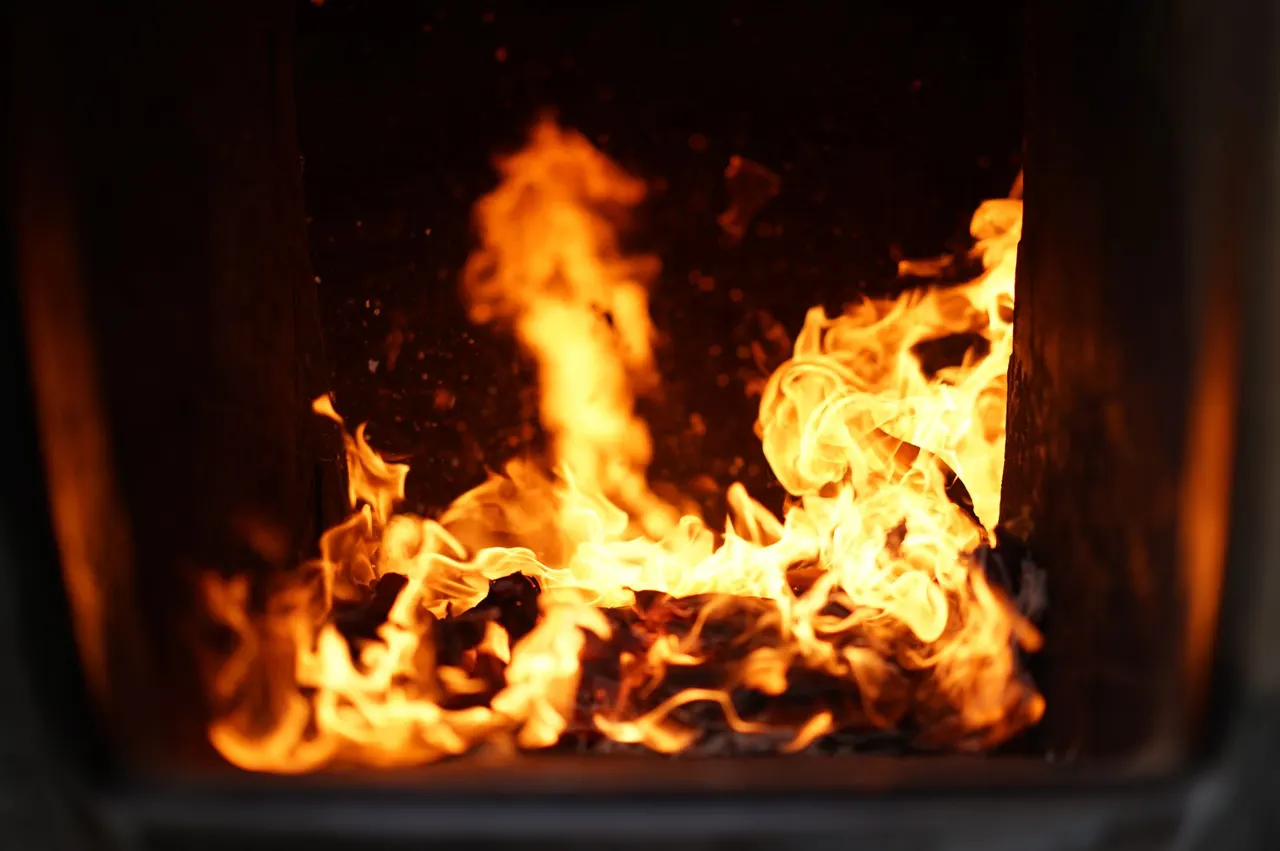
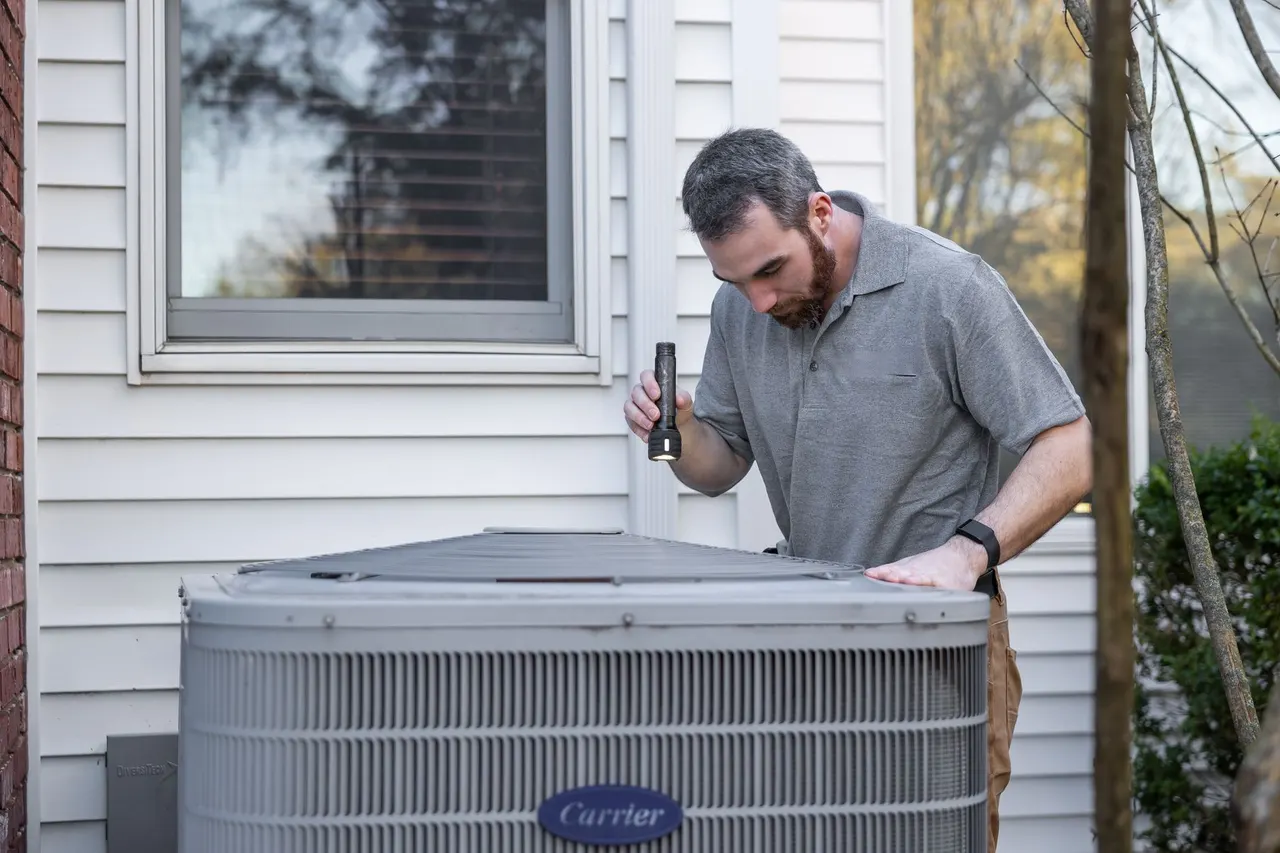
Watch the trialLive ignition attempt observed first
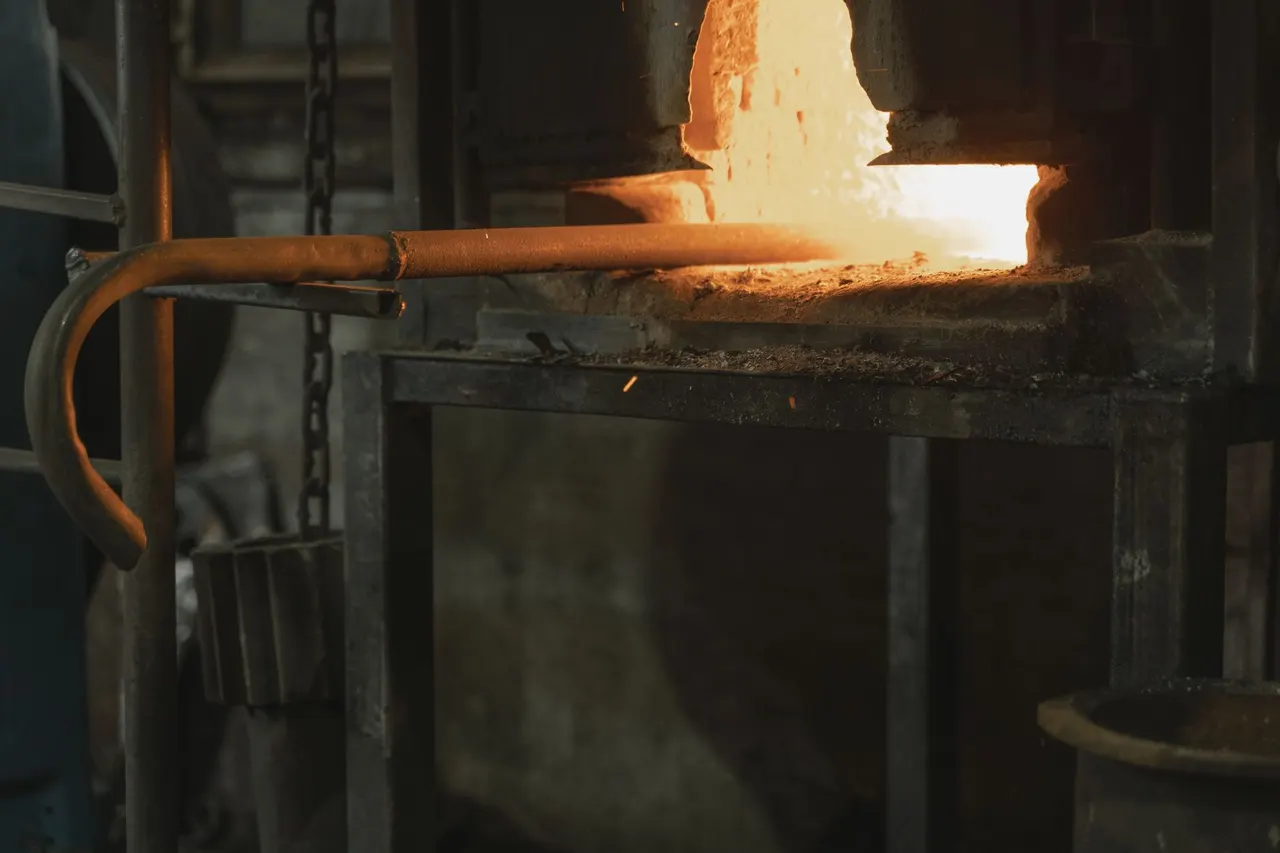
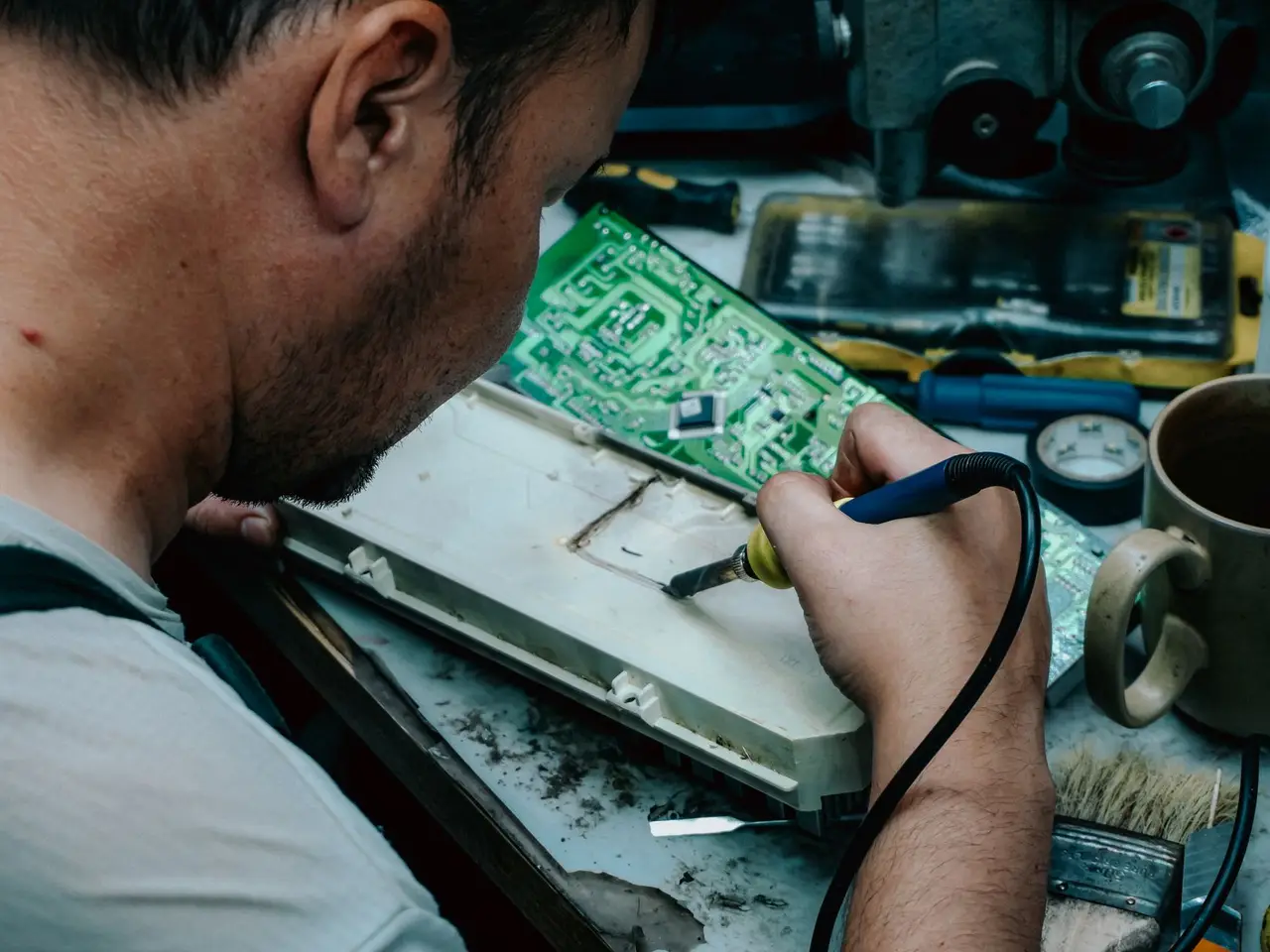
Meter the igniterOhms reading confirms a failed element
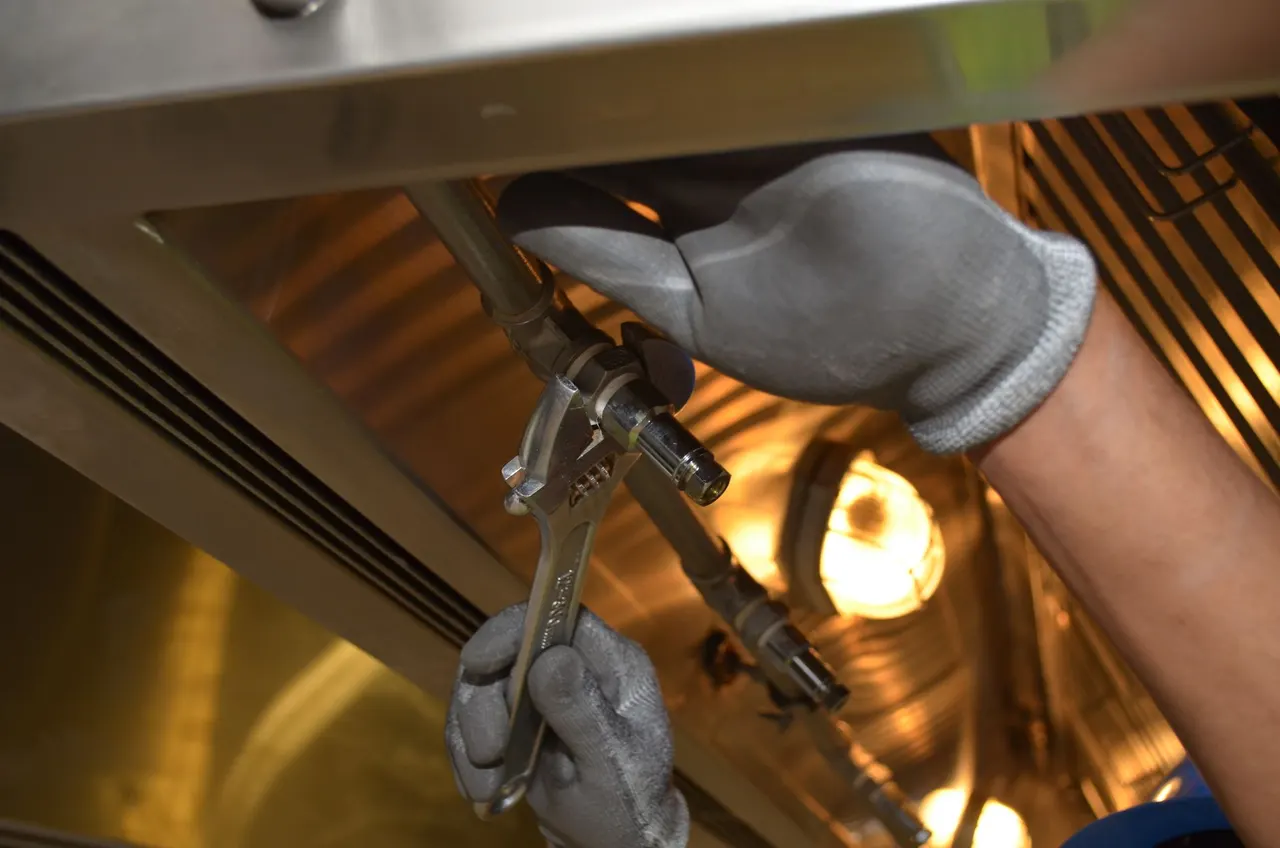
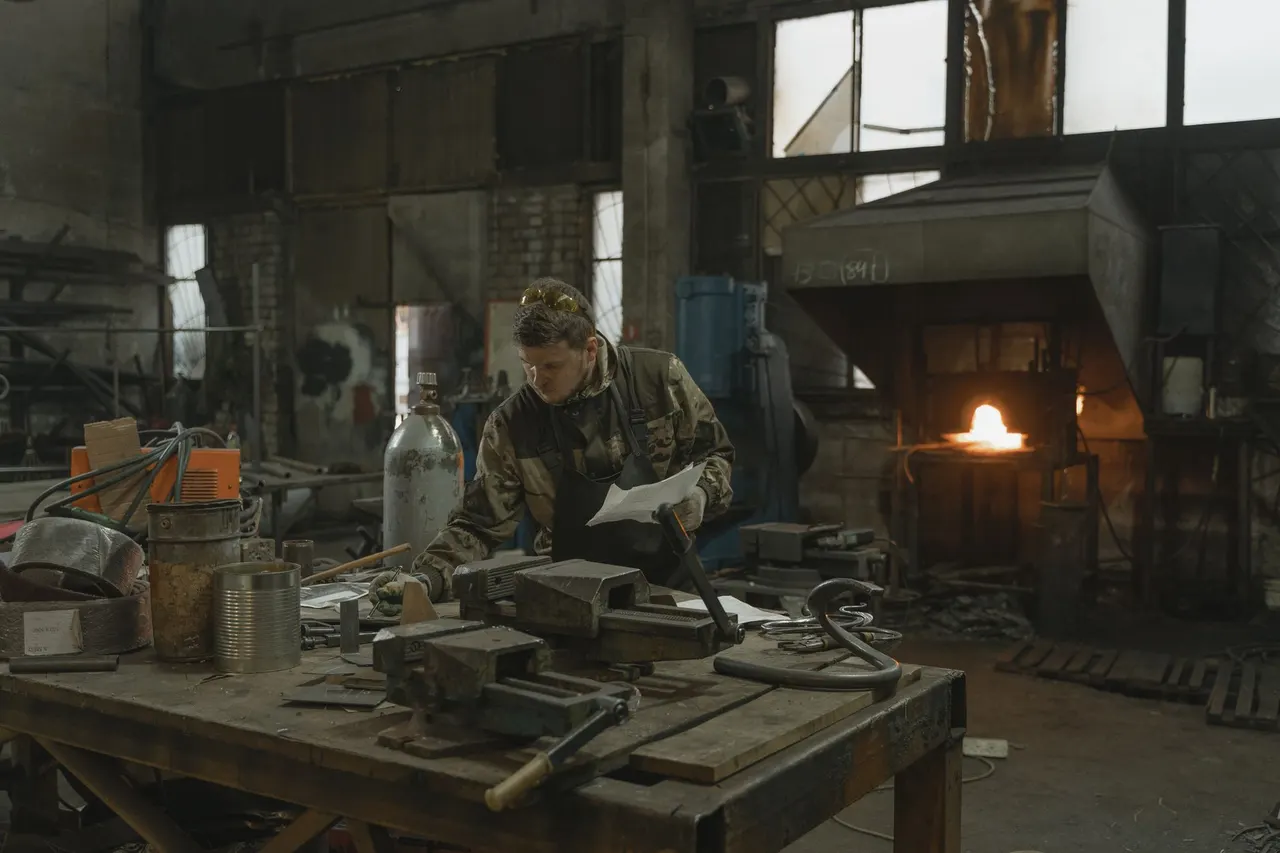
Handle by baseNew igniter element never touched
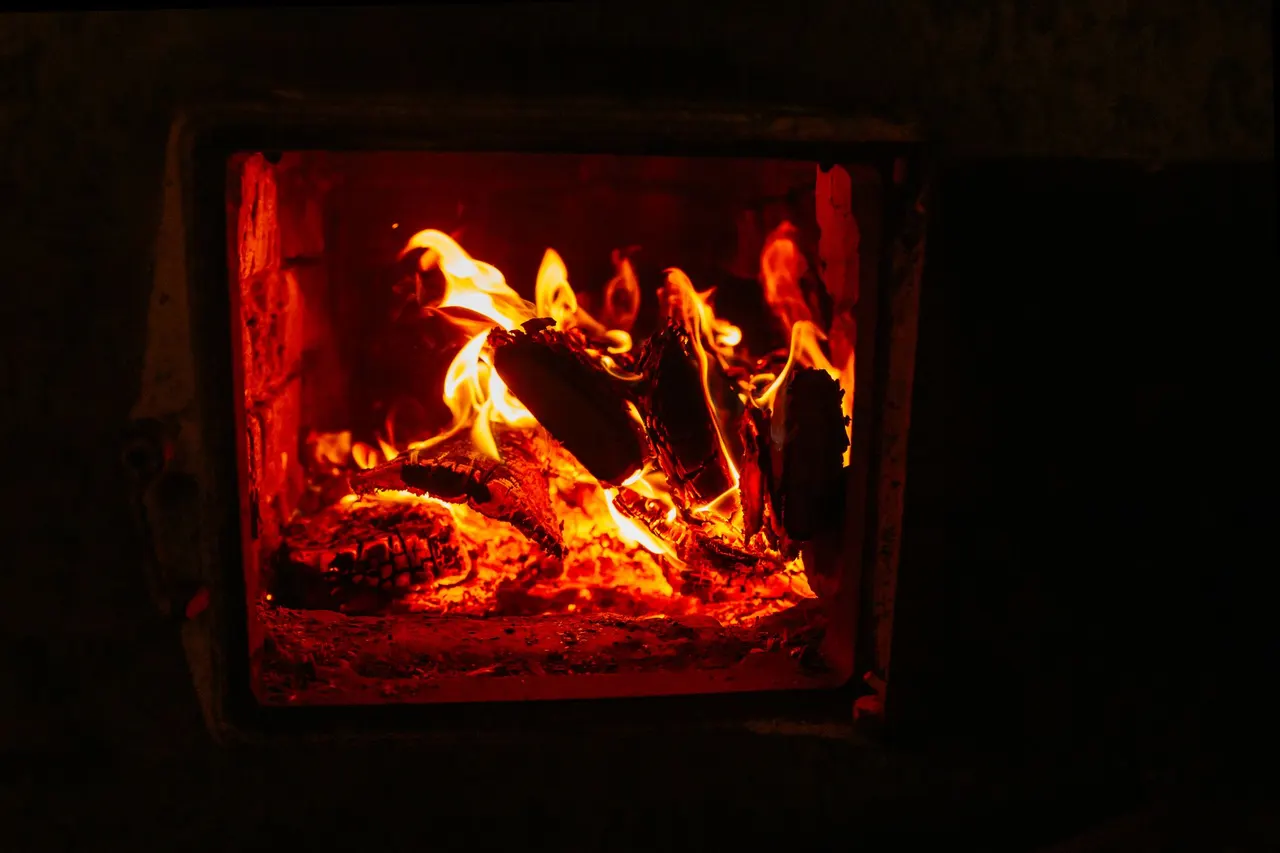
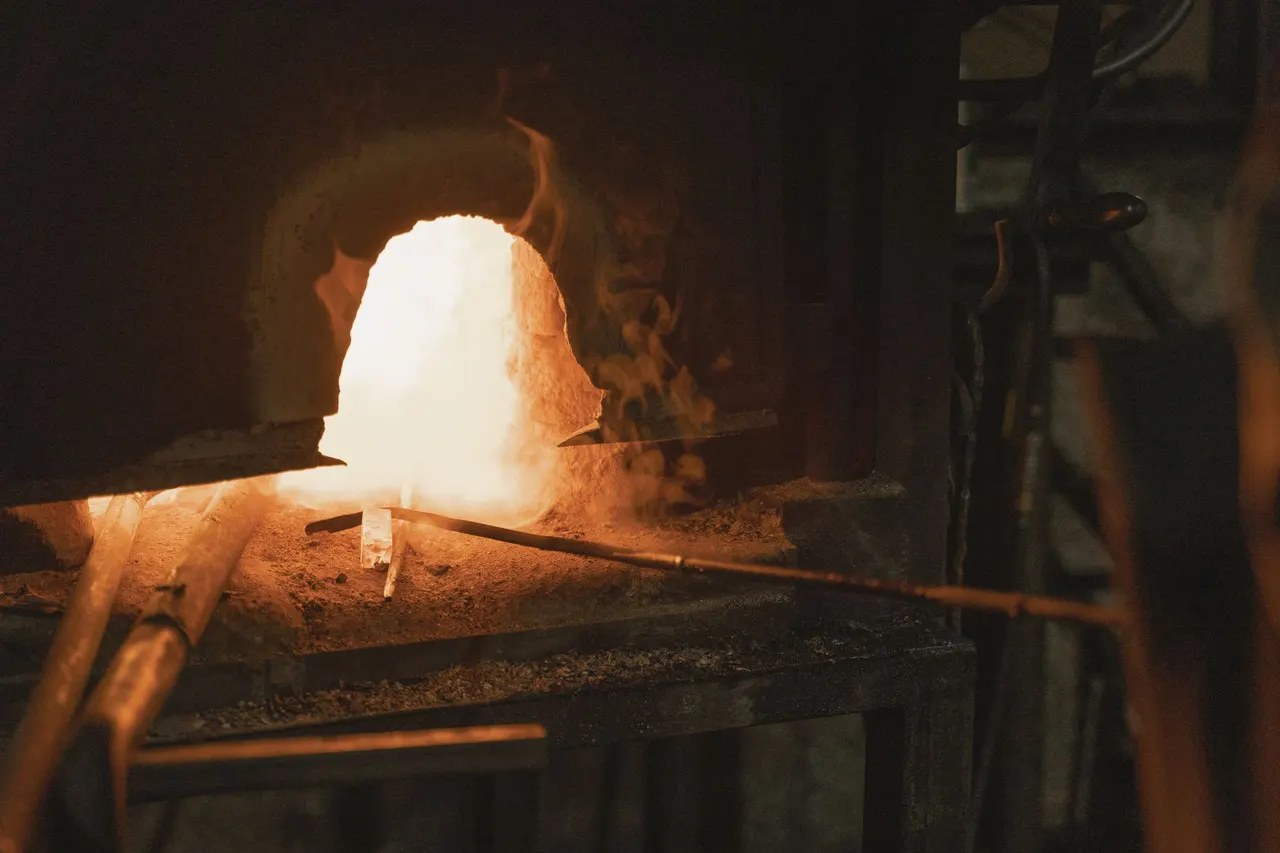
Prove light-offSeveral cycles watched before leaving
What Ignition and Pilot Repair Includes
Each ignition visit looks at the igniter or pilot and at everything that controls it, since a good igniter can be blamed for a bad switch or board. The checks below are part of every ignition repair. Brand-specific igniters or gas valves that need ordering are explained and priced before you approve.
Igniter or pilot inspection
We inspect the igniter for cracks, white spots and warping, or the pilot assembly for soot, a weak flame and a dirty orifice. Visual signs often confirm the meter reading.
Resistance and output tests
Igniter resistance is measured in ohms, thermocouple output in millivolts and flame rod signal in microamps, depending on the ignition type, so the failed part is proven.
Voltage at the furnace
We measure line voltage and the voltage the board sends to the igniter during a trial. High voltage shortens igniter life, and low voltage can leave an igniter too cool to light gas.
Gas valve and pressure check
We confirm the gas valve opens when it should and measure manifold pressure against the altitude chart on the rating plate, since poor pressure causes delayed or failed ignition.
Burner and carryover check
We watch the flame carry from the first burner to the last. Dirty or misaligned burners can stop carryover and cause lockouts or a loud boom at light-off.
Homes and businesses.
The approach is the same for a home and a business. What changes is the access, the schedule and who needs the paperwork.
Homes and townhomes
Burners that refuse to light leave a house cold within hours. We test the igniter or pilot, replace what failed and confirm the burners light reliably before we leave.
Igniter clicks but never glows
Pilot keeps blowing out
Spark pilot will not catch
Shops and offices
Rooftop units and shop furnaces use the same igniters and spark modules as homes. We coordinate access, test the ignition sequence and explain the repair to the owner or manager.
Rooftop unit failing to light
Shop heater locking out
Office furnace slow to ignite
Furnace Ignition & Pilot Light Repair in Littleton Basics
A plain-language look at what Furnace Ignition & Pilot Light Repair involves and when it is needed.
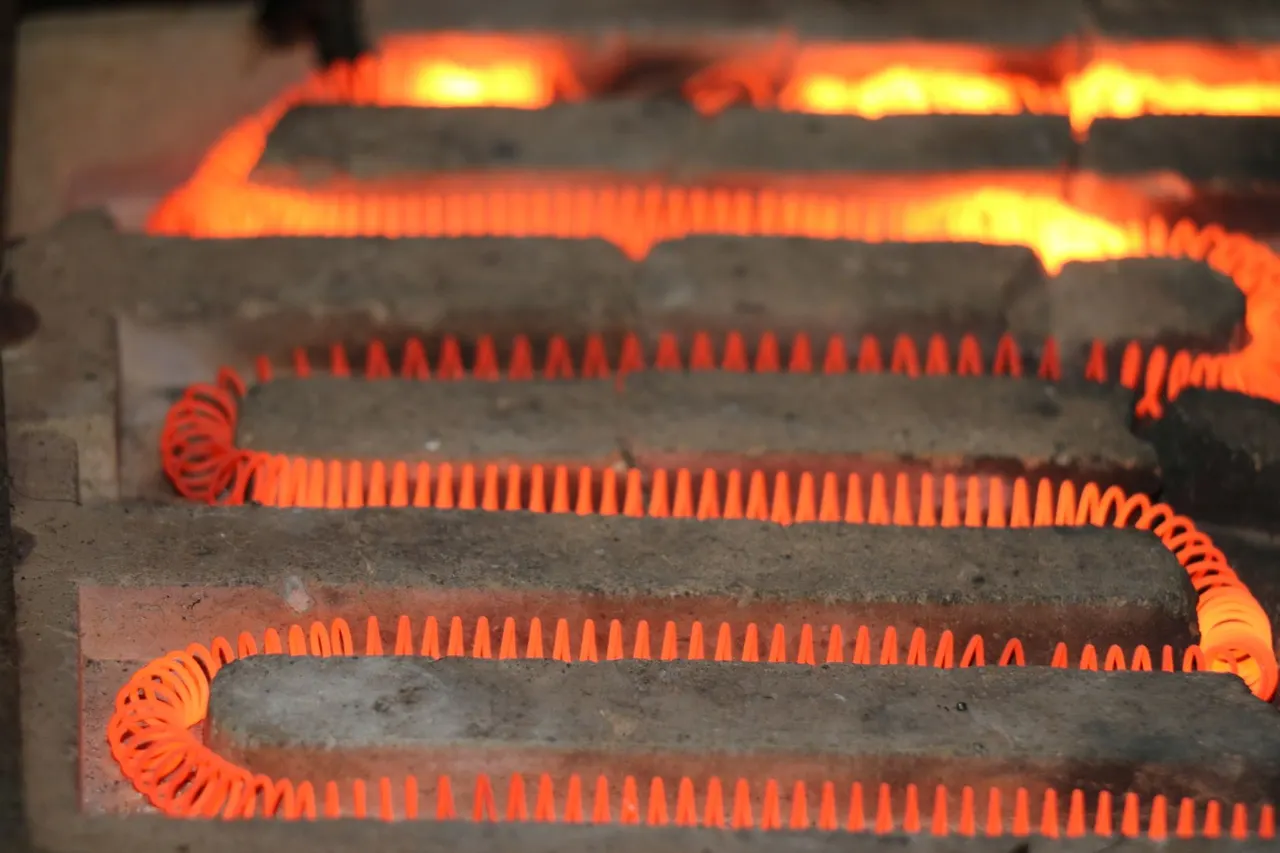
Furnace Ignition & Pilot Light Repair in Littleton is a component repair service that restores the system responsible for lighting the burners. Most furnaces built since the mid-1990s use a hot surface igniter, a small silicon carbide or silicon nitride element that glows orange at roughly 1,800 to 2,500 degrees. Some use an intermittent pilot, where a spark lights a small pilot flame that then lights the burners. Older furnaces may still have a standing pilot that burns all the time, held open by a thermocouple. Each type fails in its own way, and each needs a different test.
Igniter trouble in Littleton tends to surface on the first cold mornings of November. An igniter that cracked over the summer or was weakened by years of heating and cooling finally stops glowing. Dust and drywall debris from fall remodeling can coat igniters and pilot assemblies, and a pilot in a drafty basement near Downtown can blow out every time a door slams. When people search for furnace igniter repair cost in Littleton, they usually have a furnace that clicks or hums and never lights, which is exactly where this repair begins.
Ignition repair works when the whole light-off sequence is tested, not just the igniter.
What it is
Repair of the igniter, spark pilot or standing pilot that lights a gas furnace's burners.
When you need it
The furnace hums, clicks or runs the inducer but the burners never light, or the pilot keeps going out.
What to expect
A live ignition trial, meter tests, a quoted repair and several heating cycles to prove light-off.
Our Ignition Repair Process, Step by Step
An ignition repair usually takes 45 minutes to an hour and a half once the technician is at the furnace. You will see the burner compartment opened, the igniter or pilot inspected under a light, and the furnace cycled several times. Every step below is done on every ignition call.
Describe the sound
When you call, tell us what you hear before the furnace gives up: a hum, a single click, repeated clicking, or nothing after the inducer starts. Also tell us whether you can see an orange glow through the sight glass. That detail often points to the igniter, the pilot or the gas valve before we arrive.
Hum
Click
Glow
Watch the attempt
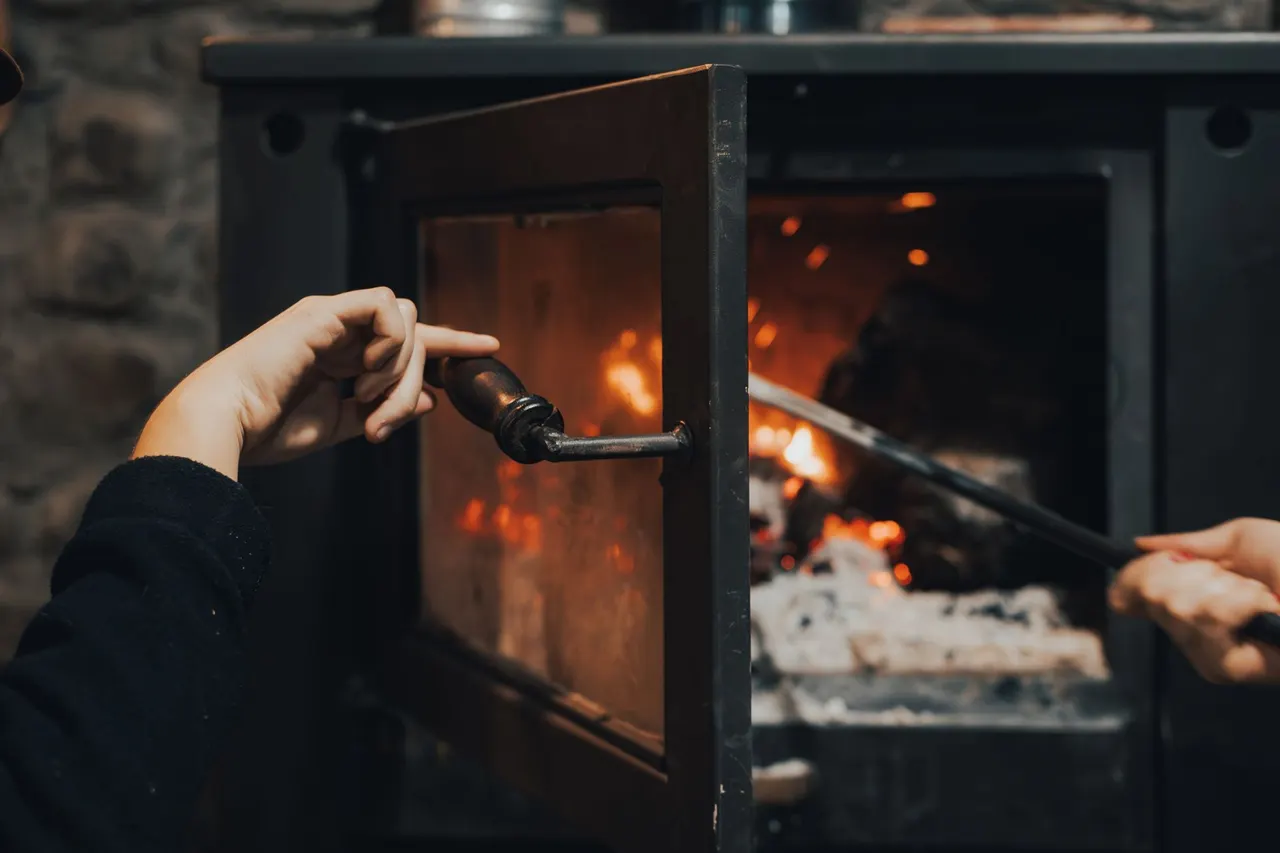
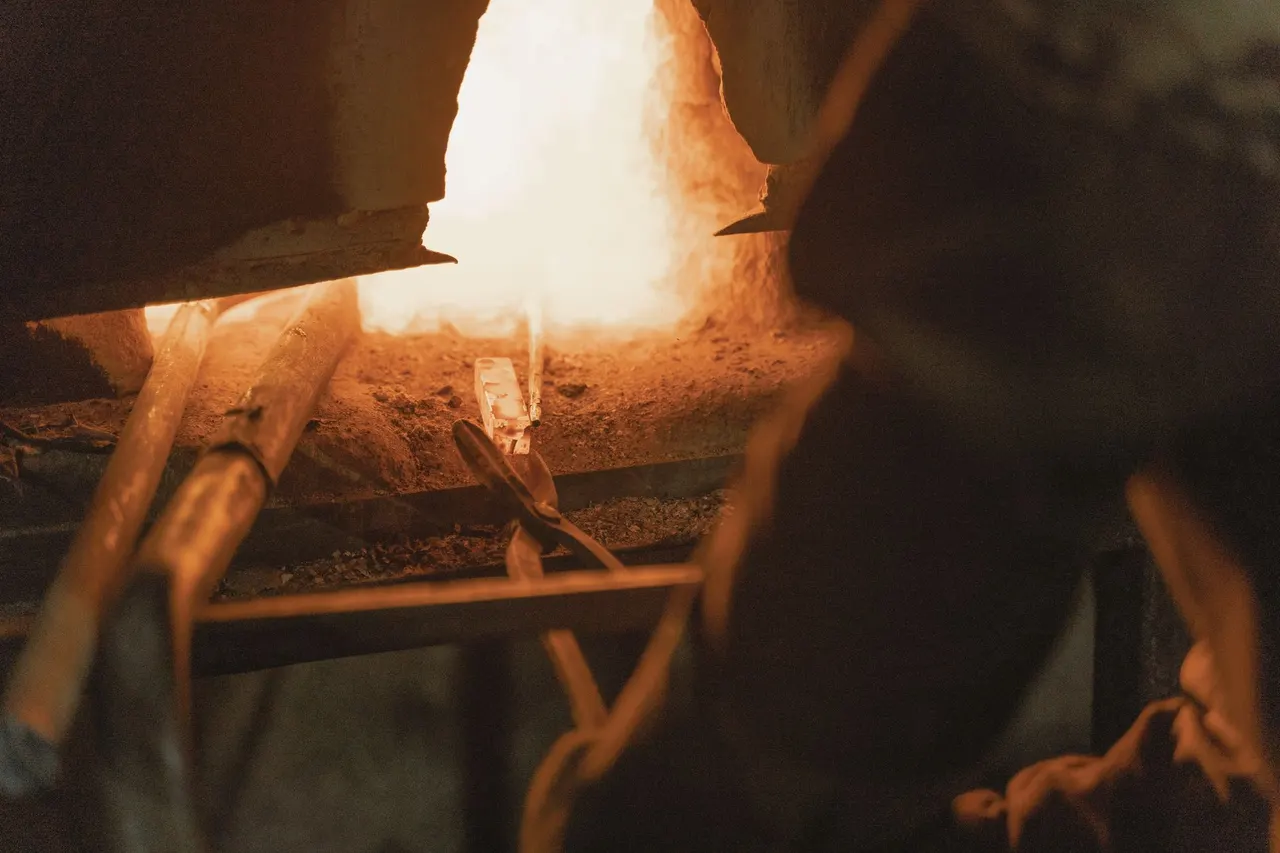
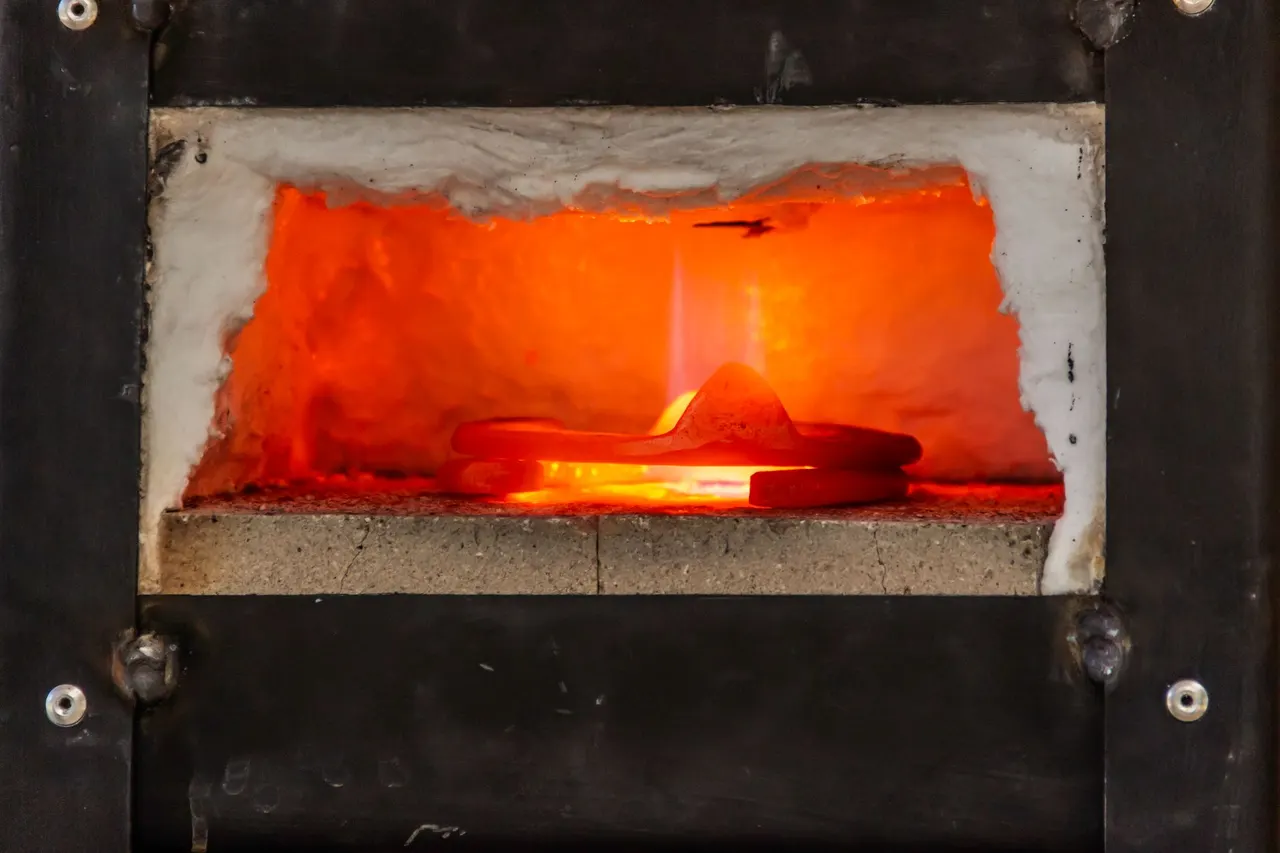
The technician starts a heat call and watches the ignition attempt through the open burner compartment. We note whether the igniter glows, how bright it gets, whether a spark appears at the pilot and whether gas flows when it should.
Live trial
Valve
Spark
Measure the parts
The igniter is unplugged and its resistance measured in ohms, then checked for hairline cracks. On pilot systems, we test spark output, thermocouple millivolts or flame rod signal. Voltage to the igniter and gas valve is measured during the trial.
Ohms
Volts
Millivolts
Replace and set
With the bad part proven and the price approved, we swap it. Igniters are installed by the base only, with the correct gap to the burner. Pilot assemblies are cleaned or replaced, and the pilot flame is adjusted to wrap the sensor properly.
Approve
Install
Adjust
Prove the ignition
Three or more full heat cycles follow, with an eye on igniter glow time, light-off and flame carryover across all burners. A CO reading is taken after the burners are running, and we leave a written summary of what failed and why.
Three cycles
Carryover
CO check
Ignition Testing Tools and Methods
Move across a circle, or focus it and press Enter, for an illustrative thermal view of the photograph.
Digital multimeter
Measures igniter resistance, voltage at the igniter and gas valve, and thermocouple millivolt output, the core readings for ignition diagnosis.
Microamp meter function
Reads flame rod signal on intermittent pilot systems and flame sensor output after light-off, confirming the board can prove the flame.
Digital manometer
Measures manifold gas pressure during ignition, since low or high pressure causes delayed light-off and rough ignition at altitude.
Igniter matching kits
Universal silicon nitride igniter kits with brackets and harnesses let us fit a durable igniter to most furnace models in one visit.
Thermal views are illustrative, generated from the photographs.
Methods
Glow-and-flow observation
During a live trial, we watch for igniter glow, measure the time to full glow and confirm gas flows when the valve opens. This tells us immediately whether the failure is the igniter, the valve or the signal reaching them.
Handling by the base
New igniters are installed holding only the ceramic base, because oils from skin create hot spots that crack the element early. The gap to the burner is checked so the igniter sits in the gas path without touching metal.
Upstream check before replacement
Before replacing any igniter, we confirm the inducer ran, the pressure switch closed and the board sent voltage. That keeps a good igniter from being replaced for a problem that lives earlier in the sequence.
Multi-cycle light-off proof
Ignition is proven over at least three heat cycles, watching light-off timing and flame carryover across every burner, so an intermittent ignition fault reveals itself while we are still on site.
Common Ignition Calls in Littleton
Cracked igniter
A Goddard ranch furnace hums and clicks on a November morning, the igniter never glows and the board flashes an ignition code.
We find the silicon carbide igniter cracked and reading open. A matched silicon nitride kit goes in its place, mounted by the base, and three full cycles show the burners lighting smoothly.
Outcome: The furnace lights reliably again, and the new igniter type is more tolerant of the frequent cycling common in fall.
Pilot blowing out
A 1970s Littleton split-level with a standing pilot loses its pilot every few days, usually after the back door is opened.
We clean the pilot orifice, check the flame size and test the thermocouple, which reads low. We replace the thermocouple and adjust the pilot flame so it wraps the tip properly.
Outcome: The pilot stays lit through drafts and the household stops relighting it every few days.
Spark pilot
An intermittent pilot furnace in a Littleton townhome sparks repeatedly, but the pilot never lights and the furnace locks out.
We test the spark module output, check the pilot tube for a clog and confirm the pilot gas valve opens. A partially blocked pilot orifice is cleaned and the spark gap reset.
Outcome: The pilot lights on the first spark, the main burners follow and the furnace completes full heating cycles.
Downtown LittletonGoddardTrailMark
Ignition Repair in Littleton's Homes and Climate
Ignition repair in Littleton deals with a wide mix of furnace ages. Mid-century homes around Downtown, Sterne Park and Goddard still have some furnaces with standing pilots, which are vulnerable to drafts in older basements and to thermocouples that weaken with age.
Homes built in the 1980s and 1990s often have hot surface igniters on their second furnace, and silicon carbide igniters there tend to crack after three to five seasons. Newer homes in TrailMark and other later neighborhoods use silicon nitride igniters and two-stage furnaces with better diagnostics. Elevation matters too.
At about 5,351 feet, gas pressure set to sea-level values can cause delayed ignition and a boom at light-off, which stresses igniters and burners. Our furnace ignition and pilot light repair in Littleton accounts for these factors by checking voltage, gas pressure and burner condition along with the igniter itself.
Downtown Littleton: Older basements near Main Street can be drafty, and standing pilot furnaces here lose their pilot more often when doors open or the wind gusts.
Goddard: Ranch homes with second-generation furnaces often have silicon carbide igniters reaching the end of their life, which crack on the first cold mornings.
TrailMark: Newer furnaces here use silicon nitride igniters and stored fault codes, so we read the board history to see how often ignition has been retried.
Idle summers followed by heavy fall cycling: Igniters that sat unused can crack on their first few heat cycles, so the first cold week brings a rush of ignition failures.
Burners running at roughly 5,351 feet: Gas pressure must match the elevation figures for this altitude. Incorrect pressure causes delayed ignition and rough light-off, which shortens igniter and burner life.
Fall remodeling dust in basements: Drywall dust and sawdust drawn into the furnace can coat igniters and pilot orifices, weakening the glow or blocking the pilot flame.
Tech listens to your description, then watches a light-off attempt
Floor covered and burner compartment opened for testing
Repeated light-offs checked and findings written down
From problem to finished result.
IllustrativeThe thermal view is generated from the photograph. It is not a measurement. Drag the handle, or use the arrow keys once it is focused.
Goddard igniter that cracked overnight
Before: The furnace hummed and clicked, the igniter never glowed and the board locked out after three tries. The house had dropped to 60 degrees.
After: The old igniter read open with a visible crack. A silicon nitride kit was installed by the base and the furnace lit on every one of four test cycles.
Keep the filter fresh so dust does not reach the burner area, and have the igniter checked during each fall tune-up.
Weak thermocouple on a standing pilot
Before: The pilot went out every few days, often after the back door was opened, and the household was relighting it by hand.
After: The thermocouple tested low and was replaced, the pilot orifice cleaned and the flame adjusted. The pilot stayed lit through two weeks of cold, windy weather.
Avoid storing items near the furnace that block combustion air, and call if the pilot flame looks yellow or lazy.
Spark pilot that would not catch
Before: The intermittent pilot sparked repeatedly with no pilot flame, and the furnace locked out on most heat calls.
After: A partially blocked pilot orifice was cleared and the spark gap reset. The pilot lit on the first spark and the burners followed on every test cycle.
Schedule an annual tune-up so the pilot assembly is cleaned before dust and soot can build up again.
Fixing a Furnace Not Igniting in Littleton
Most ignition calls start with one of four symptoms, and every symptom leads us to a separate component. Here is how we narrow them down and fix them in Littleton homes, from older pilot furnaces to newer igniter models.
Just blowing airFurnace not igniting and just blowing airThe blower keeps pushing cool air while the house temperature drops, and the board eventually locks out until it is reset. We watch the ignition attempt to see whether the igniter glows and the valve opens. A cracked igniter is the most common cause, but we also test the pressure switch and gas valve, because either can stop light-off.
No glowIgniter not glowing at allWithout heat from the igniter, the board never opens the gas valve, and the furnace repeats failed attempts until it locks out. We measure igniter resistance and the voltage the board sends. An open reading means a failed igniter. Good resistance with no voltage points to the board or a pressure switch that never closed.
No clickFurnace will not ignite and there is no clickNo click often means the sequence stopped before ignition, so replacing the igniter alone will not bring heat back. Finding which one is open tells us where the real repair is.
Lights then quitsFurnace ignites, then shuts off right awayRepeated light-offs and shutdowns wear parts quickly and leave rooms cold, especially on long winter nights. If the flame lights and dies within seconds, we test the flame sensor signal and ground. Ignition is working, so the fix is usually a sensor cleaning or replacement covered under short cycling repair.
What a Proper Ignition Repair Changes
Burners that light on the first try, every heat cycle.
Reliable light-off every cycle
After the repair, the burners light on the first try, cycle after cycle. We prove that by running at least three complete heat cycles and watching the igniter glow, the gas valve open and the flame carry across every burner before we pack up.
The right igniter for your furnace
Igniters differ in voltage, shape and mounting. A mismatched universal part can glow too weakly or burn out within a season. We match the igniter to your furnace model or use a universal kit rated for it, with the correct bracket and wire harness.
Pilots that stay lit
On standing and intermittent pilot furnaces, we clean the pilot orifice, check the flame size and test the thermocouple or flame rod output. A pilot that wraps the thermocouple properly stays lit through drafts and long run times.
Fewer repeat igniter failures
Igniters fail early when voltage is high, the element is touched during installation, or the burners delay ignition. We check line voltage, mount the new igniter without handling the element and confirm the burners light smoothly, so the replacement lasts.
What a written scope covers.
What a written scope covers and what shapes it. Prices are set by the business after the first look.
Included
Igniter or pilot assembly inspected
Igniter resistance or thermocouple output measured
A furnace that runs but never ignites usually has one of three faults: a dead igniter, a draft switch stuck open, or a valve that stays shut. The inducer starts, the board waits for the switch, then tries to heat the igniter and open the valve. If any step fails, the burners stay dark and the blower may push cold air. Testing each step finds which one broke.
A furnace ignitor is likely bad if it never glows, glows only dimly, or shows a visible crack or white spot. With power off, a meter reading of open or far outside the normal resistance range confirms it. If the igniter glows brightly but the burners still do not light, the igniter is probably fine and the problem lies with the gas valve or the control board.
Igniter replacement is one of the less expensive furnace repairs, because the part is small and often universal and the work takes under an hour. Price depends on whether your furnace needs a brand-specific igniter, how hard the burner compartment is to reach and whether another fault caused the failure. We test first and quote the exact price before replacing anything.
Only if your furnace has a standing pilot and the relighting instructions are printed on the label inside the door. Most furnaces built after the mid-1990s use hot surface or spark ignition and cannot be lit by hand, so holding a flame to the burners is dangerous. If you smell gas at any point, stop and get outside, then phone 911 or your gas utility from the yard.
Book Furnace Ignition & Pilot Light Repair in Littleton
If your furnace hums, clicks or runs the inducer but never lights, call and describe what you hear. We bring common igniters, sensors and pilot parts, so most ignition repairs finish in one visit with the price agreed before work starts.
Call (983) 200-5821 and describe the problem: a cold house, burners that light and go out, a flashing LED or a new sound. Keep your street address handy so we can confirm your county. For planned work such as yearly maintenance or pricing a new furnace, the contact form works too.