
Columbine Valley homes
Multi-zone systems and add-on equipment need a diagnosis that treats each part separately.
- Zone-by-zone testing
- Attached equipment included
- Permit and inspection handled
Furnace Repair in Columbine Valley is aimed at roomy homes where heating is more than one box in a closet: several zones, long duct runs, finished basements and add-on equipment. We trace the fault, explain it in plain terms and give you a price before work begins.
Littleton, Colorado
Serving Columbine Valley and nearby
Furnace Repair in Columbine Valley covers a statutory town of about one square mile in far western Arapahoe County. Columbine Country Club locally established, and the town was incorporated in 1959 to protect the area around it.
Around 1,500 people live here, and homes tend to be larger than in nearby suburbs, which often means several furnaces or heating zones, finished basements and equipment such as humidifiers attached to the system. At roughly 5,358 feet, gas furnaces need altitude-appropriate settings after any gas-side repair.
Our approach is deliberate: learn how the home is zoned, find which component failed, explain the options and then repair with clean, tidy work.
Columbine Valley sits right next to Littleton, so a technician can reach most addresses quickly. Owners here usually care more about careful workmanship and clear communication than about the lowest number. We match that expectation with a methodical diagnosis, a written explanation of what failed and a price agreed before anything is replaced.
Good to know in Columbine Valley
A fault in one unit can be mistaken for a problem with the whole system, and zone controls complicate diagnosis.
Larger homes close to the club often have multiple heating zones and finished lower levels.
Humidifiers, air cleaners and smart controls add parts that can fail or interfere with airflow.
The services below are described with Columbine Valley's larger, more complex homes in mind.
In a larger home with more than one heating zone, no heat may mean only one zone has failed.
When gas is smelled or a CO detector sounds, the household goes outdoors first and Xcel Energy or 911 gets the call.
Newer hot-surface igniters and older pilot assemblies can sit in the same neighborhood. We match the repair to the ignition system actually installed and verify a smooth light-off.
A furnace that starts, then quits within seconds, often has a coated sensor or a safety switch tripping on heat. We determine which and keep watching until the cycle completes.
Bigger houses with long duct runs ask a lot of the blower. Motor current, capacitor value and wheel condition are all measured before parts are chosen.
Smart thermostats, zone panels and boards can disagree with each other. We test each link separately, so a replacement lands on the actual faulty piece.
Whistling ducts, a banging cabinet or a grinding blower are separate problems. We pin down where the sound starts and repair that component.
Annual maintenance covers combustion readings, safety checks, burner cleaning and filters, and can include humidifier pads or other add-ons attached to the furnace.
If a home uses an electric air handler or a supplemental electric heater, we test elements, sequencers, relays and breakers in sequence.
Columbine Valley is mostly residential, so commercial heating calls usually come from nearby buildings. We arrange those visits to suit the occupants' hours.
Replacement here starts with a heating-load review of the house, then equipment selection, a town permit and a scheduled inspection through Town Hall.
Pick a service to see how we approach it here.
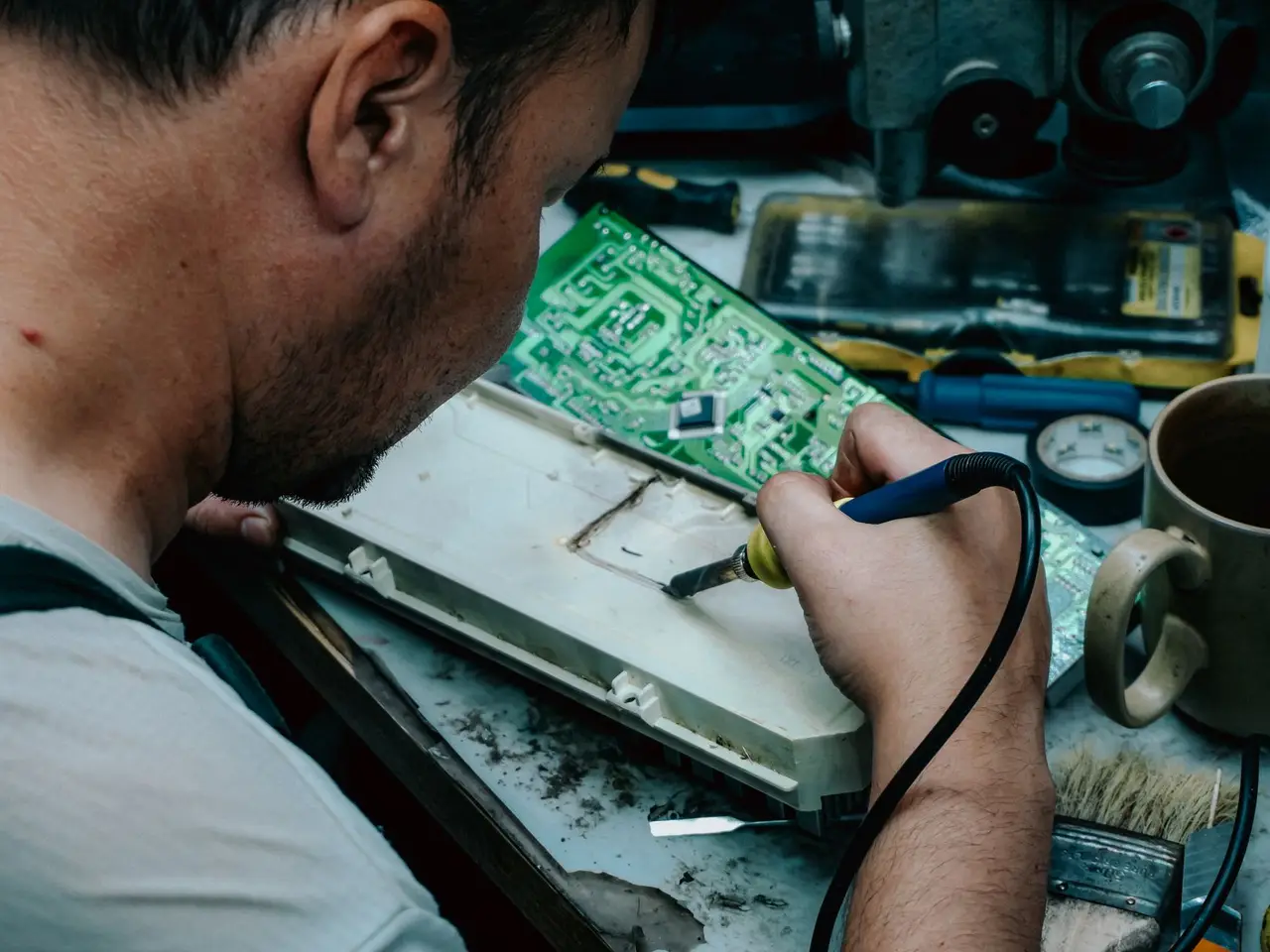
We identify each furnace and zone, then follow the heating sequence on the one that is down. The failed part is shown to you.
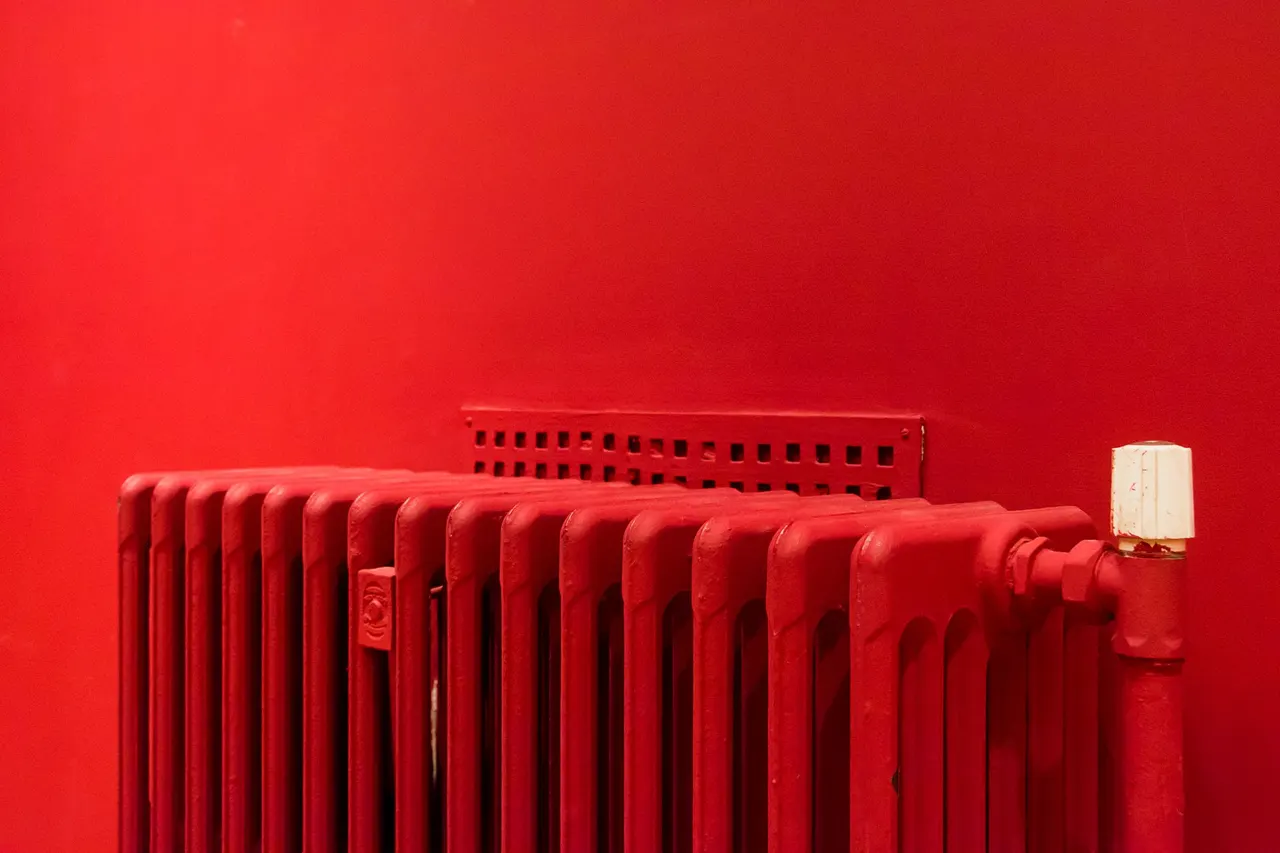
Everyone goes outside and Xcel Energy or 911 is called. After the all-clear, we inspect every gas appliance and its vent.
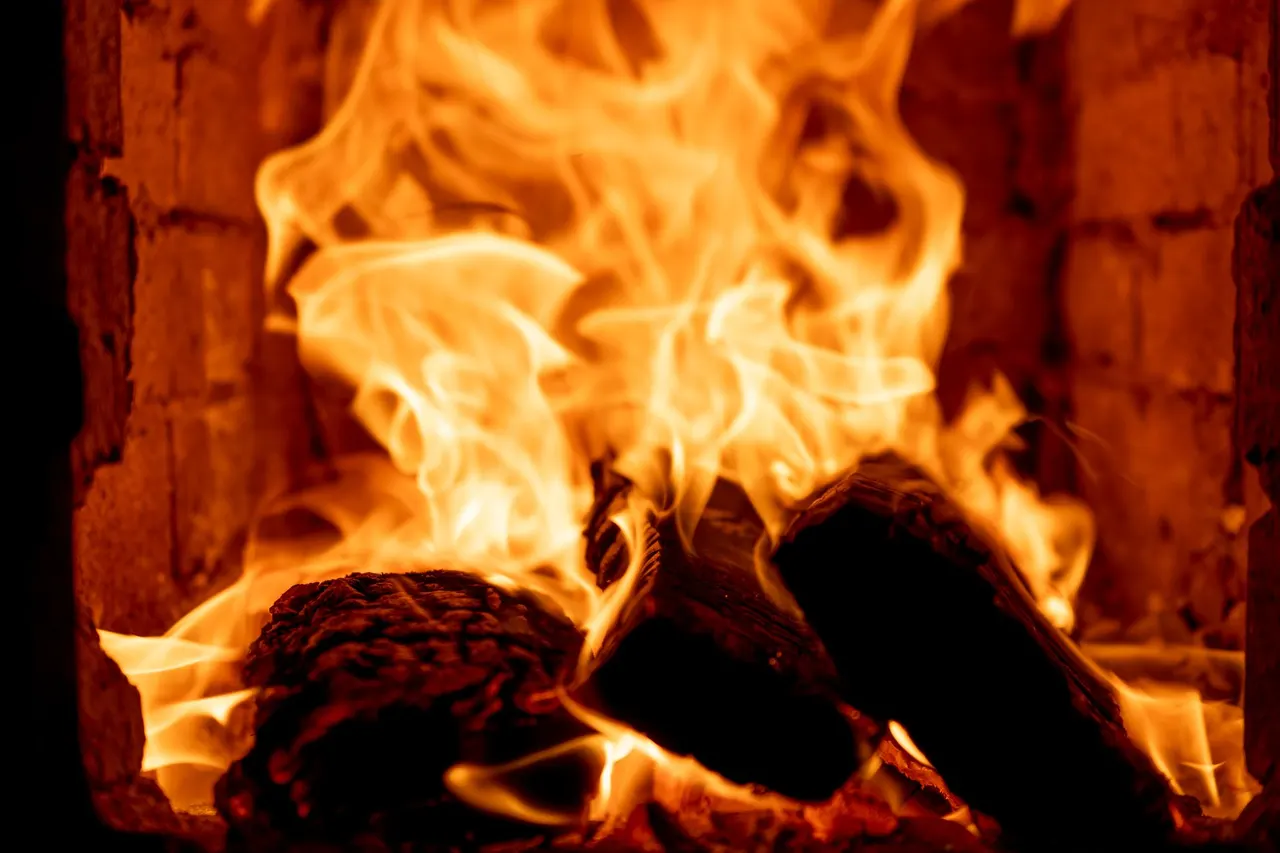
We identify the ignition type, test the element and valve, and confirm a smooth light-off.
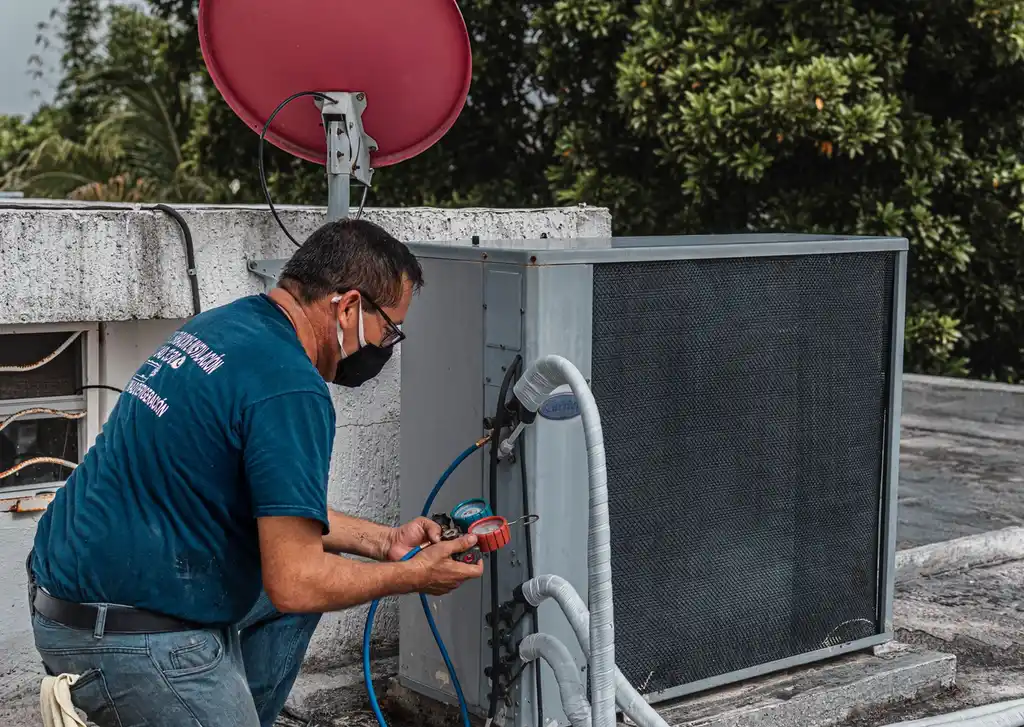
A coated sensor or a tripping limit can end the cycle early. We find which and watch a full run.
Columbine Valley is mostly homes, so the focus is on larger houses with complex heating, plus occasional nearby commercial calls.
Multi-zone systems and add-on equipment need a diagnosis that treats each part separately.
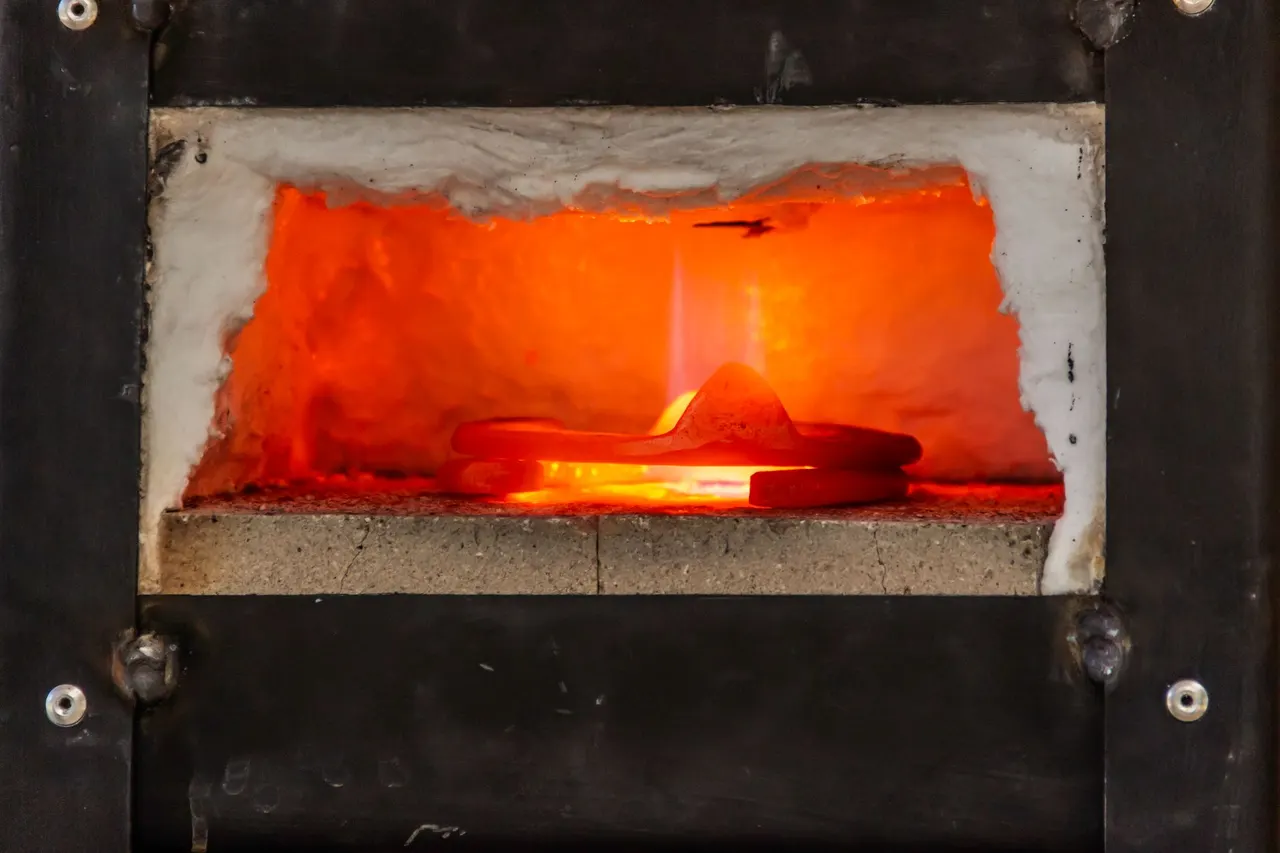
Occasional commercial calls come from adjacent Littleton buildings, scheduled around occupants' hours.
Bigger, more complex heating systems bring a particular set of issues.
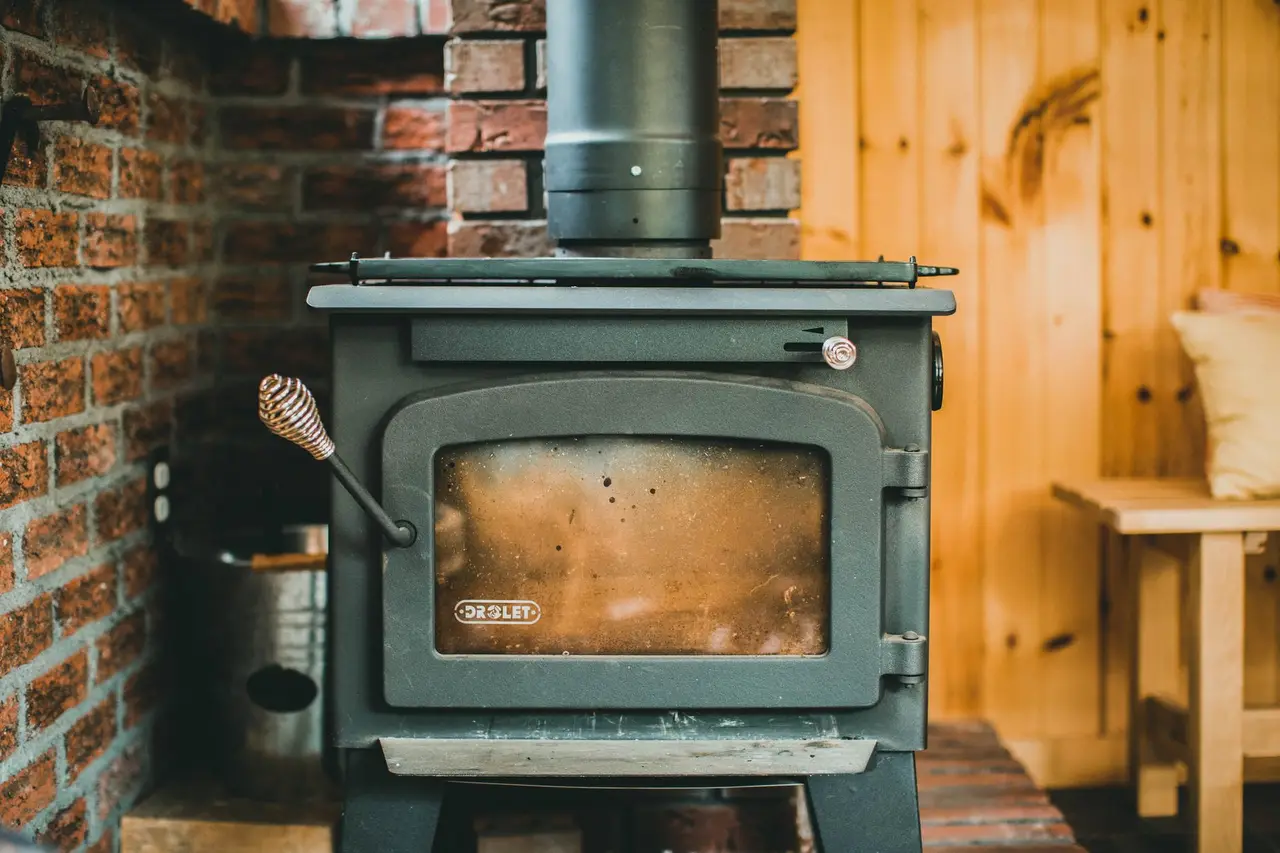
Dampers, panels and sensors add moving parts and wiring.
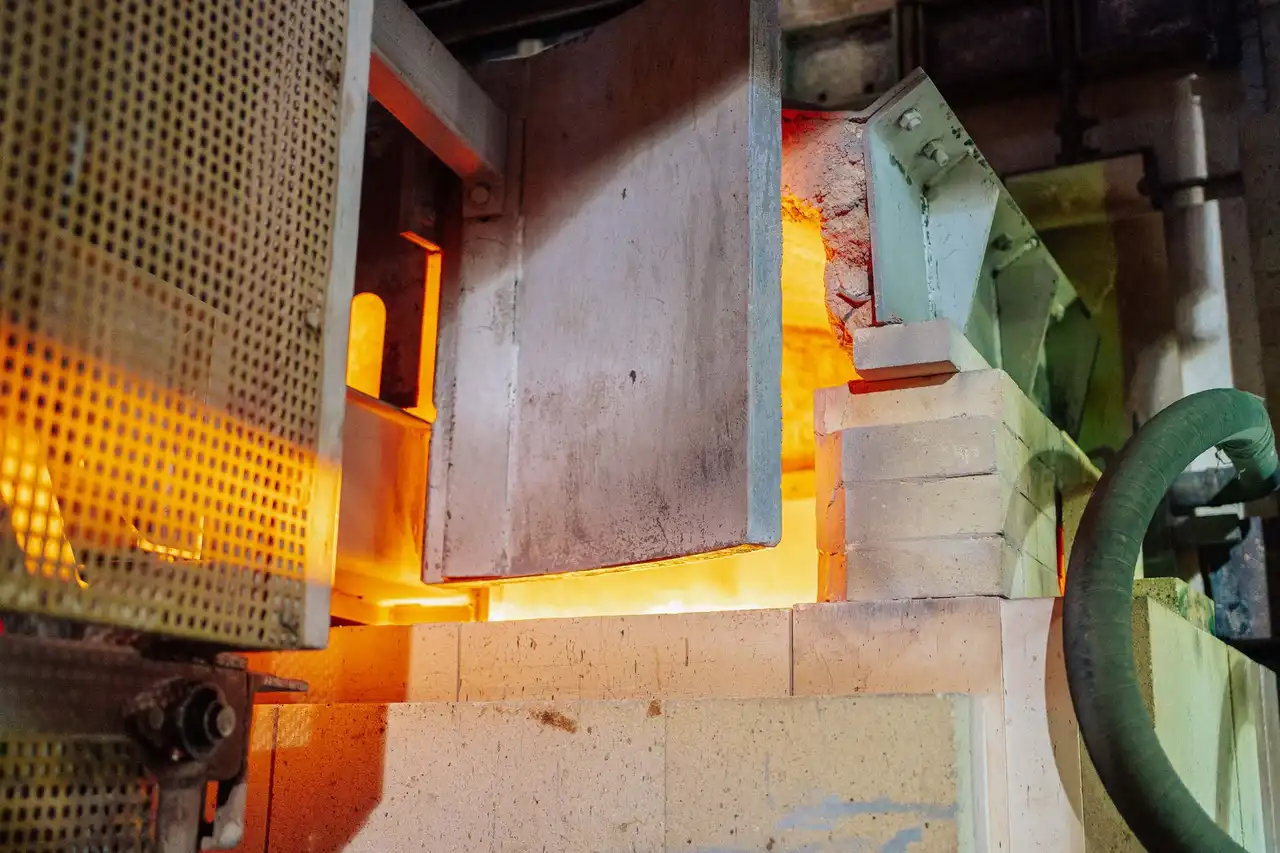
Dirty filters, closed registers or add-on equipment can choke the system.
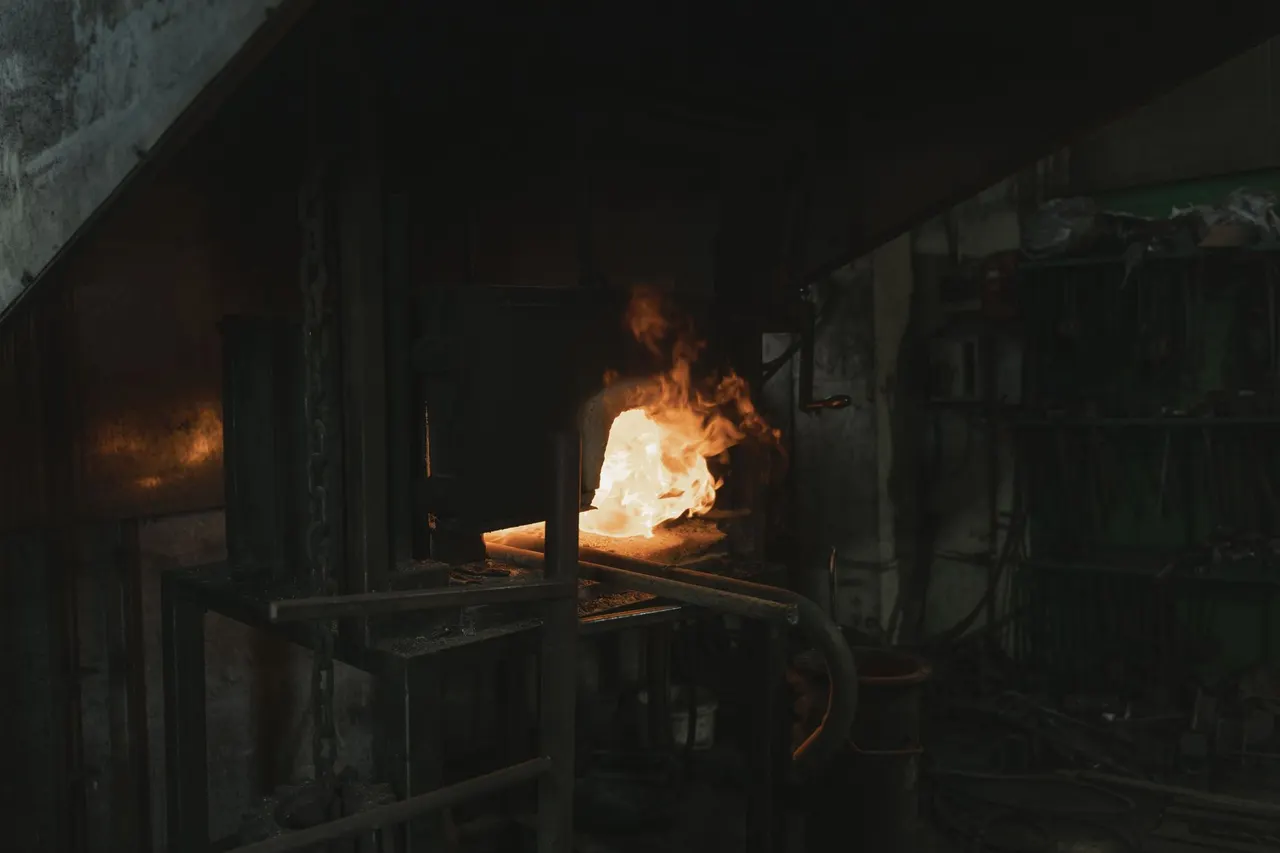
Upgraded thermostats may not match older boards.
Igniters and valves wear out with many cycles.
A single cold floor, a thermostat that gets ignored and late heat are typical early warnings in larger homes.
Any one of these is worth a call.
Nothing picked yet. Tap the signs you have noticed and this box will sum them up.
There is no price list here, because every job is different. These are the things that move an estimate most.
More zones, furnaces and attached equipment mean more points to test.
Controls and sensors cost less than motors, heat exchangers or whole units.
The town has a quiet, residential layout with a few anchor points. Knowing them helps us confirm the address and plan arrival before dispatching a technician.
Landmark
locally established and central to the town's history, it is a useful reference for nearby streets.
Landmark
Landmark
Commercial area
Commercial heating calls generally come from adjacent business areas in Littleton.
Commercial area
A number of owners work from home, which makes steady heat part of the working day.
Transit
Drives from our Littleton base are brief.
Transit
Straightforward roads lead from here toward central Denver.
Not listed? Call and we will tell you whether we can get to you.
Check my areaA larger system benefits from a seasonal rhythm of checks.
Columbine Valley is surrounded by communities we also serve, each with its own housing and permit rules.
Straight answers to what people ask first.
Building permits are processed by the Building Department at Town Hall, 2 Middlefield Road. We prepare and submit the paperwork for replacements.
The town uses contracted inspectors, and inspections are scheduled through Town Hall. We book them after the installation is ready.
In homes with multiple furnaces or zones, a single failed board, damper or blower can leave one area cold. We isolate each zone to find it.
Yes. We include attached equipment in the diagnosis because it can affect airflow and safety controls.
If part of your house is cold, a thermostat is ignored or a furnace keeps shutting off, call us. We test each piece, describe the failure and agree the price before repairs begin.
Call (983) 200-5821 and describe the problem: a cold house, burners that light and go out, a flashing LED or a new sound. Keep your street address handy so we can confirm your county. For planned work such as yearly maintenance or pricing a new furnace, the contact form works too.