Homes and condos
A noisy furnace is often an early warning of a worn part. We find where the sound comes from, fix the cause and make sure the furnace runs quietly again.
- Boom when burners light
- Squeal from a closet furnace
- Pops from ceiling ducts
Furnace Loud Noise Repair in Littleton starts with listening, because every furnace sound leads back to its own component. A boom when the burners catch, a squeal when the blower starts, a rattle from a panel or a hum from the cabinet all have their own causes. We run the furnace, pin down where the sound comes from and repair that part. Heater repair in Littleton for noisy basement, closet and attic units.
 Sound timed in the cycleMotors isolatedIgnition watched
A noise visit covers every likely source, inside and outside the furnace cabinet, because sounds travel through metal and ductwork. Every noise repair includes the checks listed here. Larger duct or motor work is priced before you approve.
We listen at the furnace, along the duct trunk and at registers during several cycles to locate where the sound is loudest.
Light-off is watched closely for delay, and gas pressure and burner condition are checked if a bang or boom is part of the problem.
Blower and inducer motors are spun by hand and listened to under load to find worn bearings, loose wheels or cracked inducer blades.
Loose screws, missing panel gaskets, unsupported duct runs and oil-canning metal are found and secured.
Relays, transformers and gas valves are checked for buzzing or chattering that signals a failing electrical part.
The approach is the same for a home and a business. What changes is the access, the schedule and who needs the paperwork.
A noisy furnace is often an early warning of a worn part. We find where the sound comes from, fix the cause and make sure the furnace runs quietly again.
Rooftop units and commercial furnaces can rattle, squeal or bang loudly enough to disturb work. We trace the noise, plan access and walk the owner or manager through the repair.
A plain-language look at what Furnace Loud Noise Repair involves and when it is needed.
See how it worksFurnace Loud Noise Repair in Littleton is the work of tracking unusual furnace sounds to their source and fixing them. A healthy furnace makes a short inducer whir, a soft click and whoosh at light-off, and a steady blower hum. Anything louder or new usually means something has changed. A bang at ignition often comes from delayed ignition, where gas builds up before it lights. A squeal points to blower bearings or a belt on older units. Rattles come from loose panels, ductwork or a cracked inducer wheel, and grinding usually means a motor bearing is failing.
Noise calls in Littleton pick up as soon as furnaces start running daily in November. Dust and rust that settled on burners over the summer can cause rough or delayed ignition on the first cold mornings. Metal ductwork in older ranch homes expands and contracts with the big temperature swings Colorado is known for, producing pops and bangs that sound alarming but are not always a furnace fault. Searches for a furnace making a loud noise when it turns on in Littleton often describe delayed ignition, which is worth fixing quickly.
Every furnace noise points to a specific part, and hearing it in context is the fastest way to find it.
Noise diagnosis depends on hearing the sound and seeing what the furnace is doing at that moment. Expect an hour or two on site for most noise repairs, testing included. Each noise visit moves through the same five steps.
When you call, describe the sound in your own words, such as a boom, bang, squeal, scrape, rattle or buzz, and when it happens. At start-up, during the cycle or at shutdown each points somewhere different. A phone video can help a lot.
The technician runs several heating cycles and listens at the furnace, at the ducts and at the registers. Watching the sequence while the sound happens shows whether the inducer, burners, blower or ductwork is responsible.
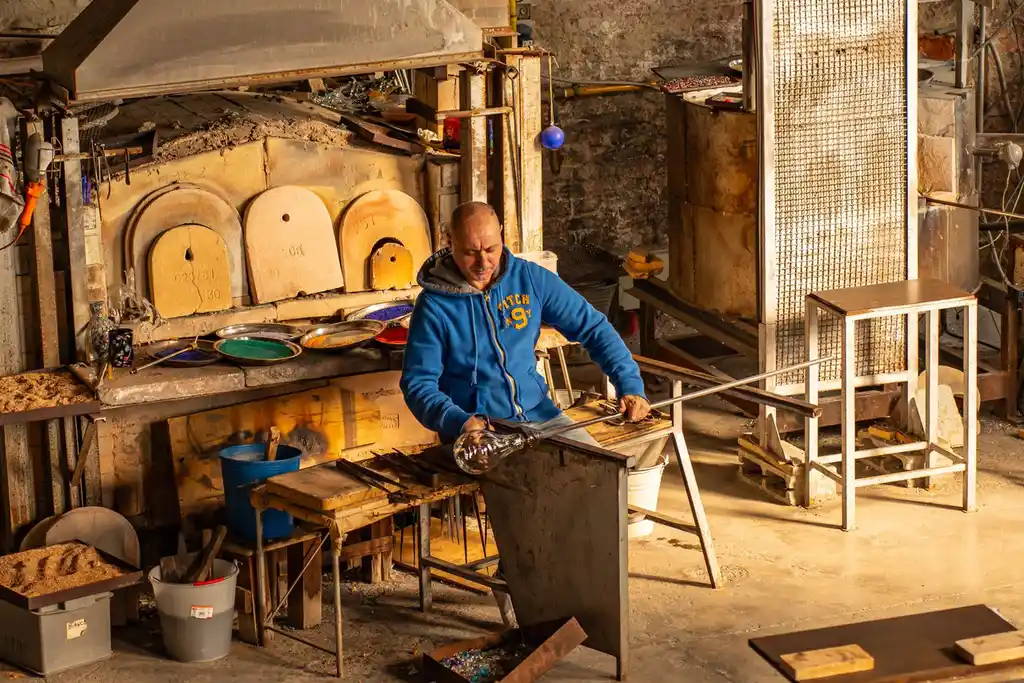
With the panels off, we check burners for rust and debris, measure gas pressure and igniter timing, spin the blower and inducer by hand, and inspect panels, screws and duct connections for loose metal.
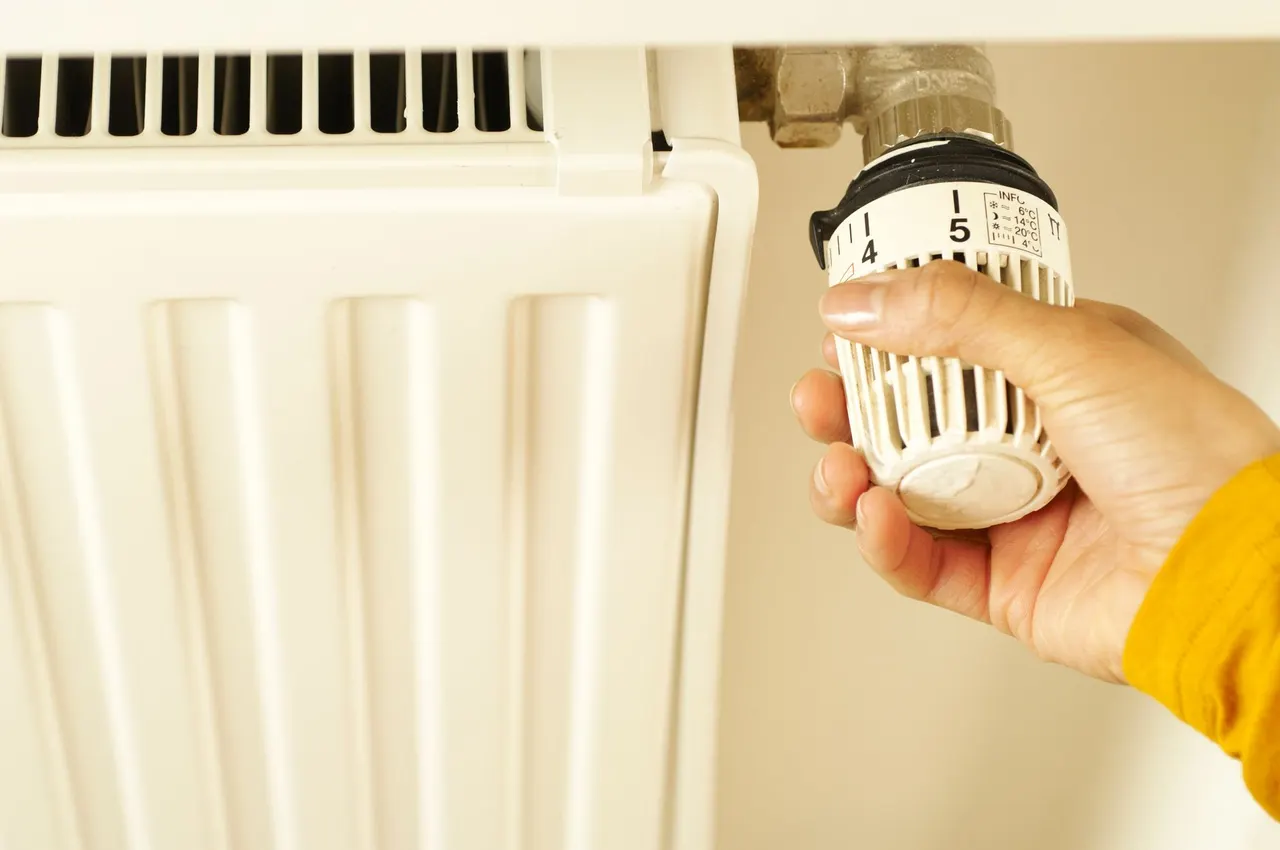
We clean burners, set gas pressure, tighten or isolate panels and ducts, replace worn bearings or motors, or balance a blower wheel, depending on the source. The repair is priced and approved before work starts.
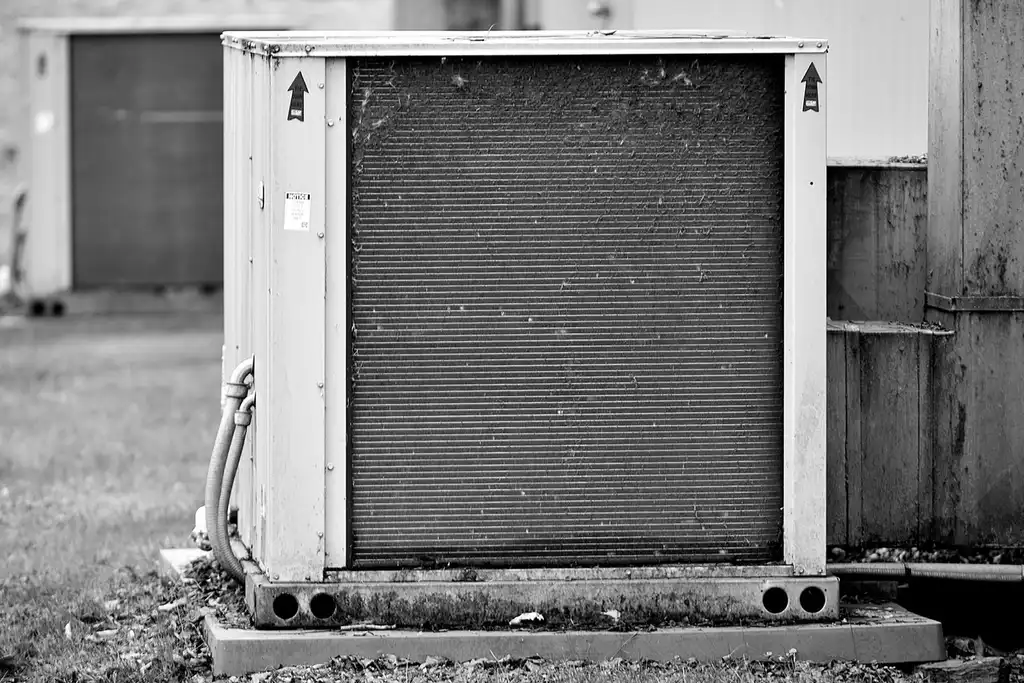
After the repair, we run several more cycles and listen at the same points. You hear the difference before we leave, and the note we leave explains the source and the fix.
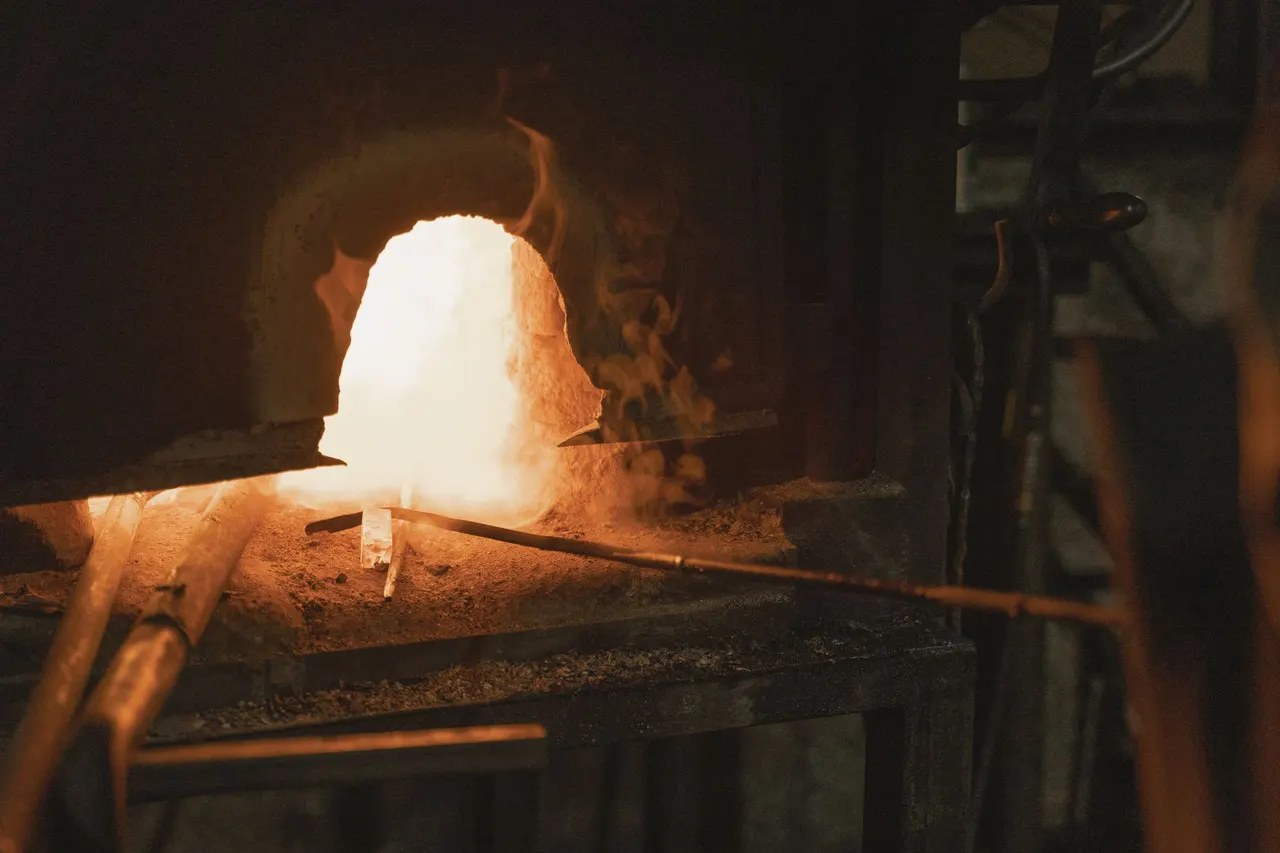
Move across a circle, or focus it and press Enter, for an illustrative thermal view of the photograph.
Isolates bearing and motor noise by listening directly at the motor housing, separating blower sounds from inducer sounds.
Measures manifold gas pressure, since low or high pressure is a common cause of loud, rough or delayed ignition.
Reads motor current to confirm whether a noisy motor is also working harder than it should.
Shows whether high duct pressure is contributing to whistling, banging or oil-canning duct noise.
Thermal views are illustrative, generated from the photographs.
We note whether the noise happens at start-up, during steady running or at shutdown, which narrows the source to ignition, motors or ductwork.
Motors are run or spun one at a time so the noisy part is identified with certainty before anything is replaced.
Any bang at light-off triggers a burner cleaning, igniter check and gas pressure measurement, since delayed ignition has several possible causes.
We listen at the same points before and after the repair so you can hear the difference and we can confirm the source was fixed.
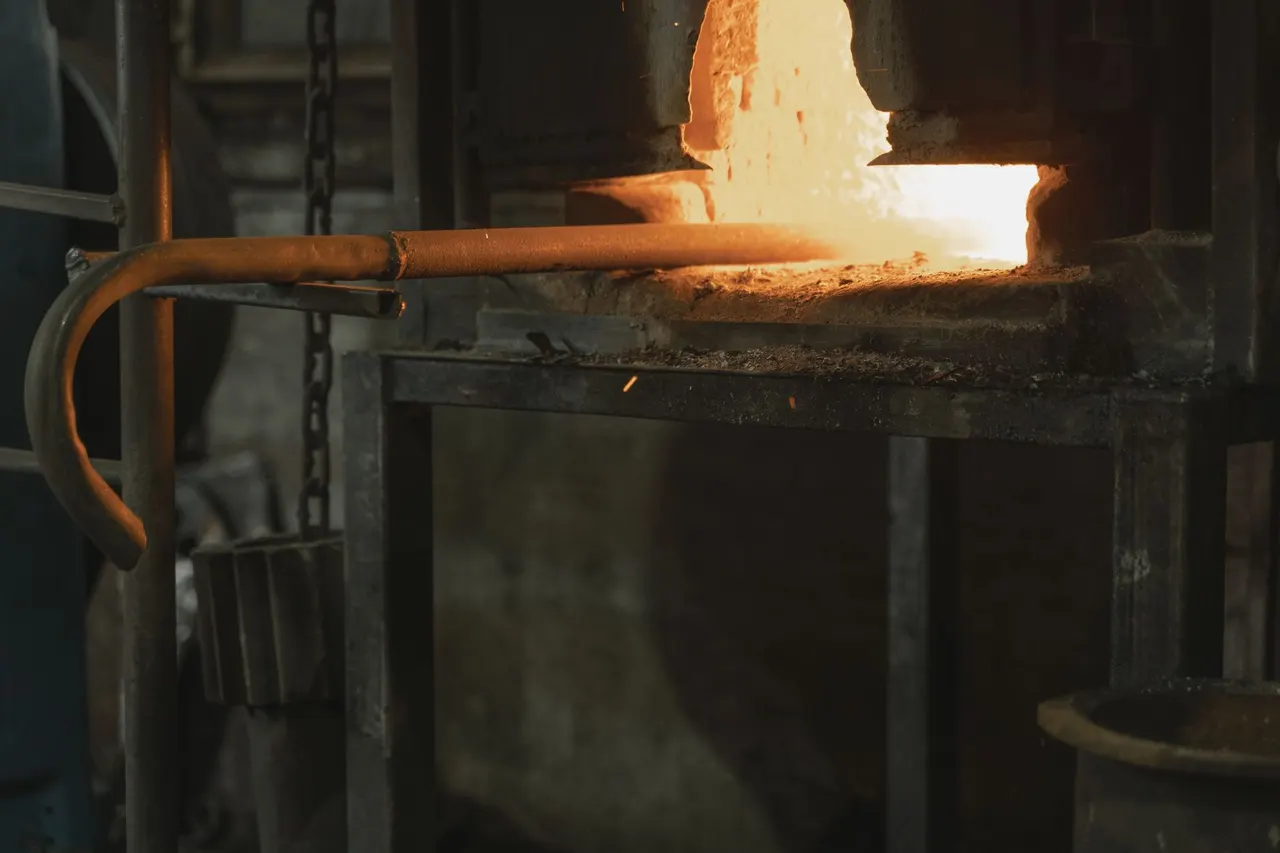
A Goddard ranch furnace booms loudly every morning at the first start-up after a cool night.
We find rust flakes on the burners and gas pressure set below the high-altitude specification. We clean and realign the burners, set manifold pressure and watch light-off over several cycles.
Outcome: Ignition becomes a soft whoosh instead of a bang, and the heat exchanger is no longer stressed at every start.
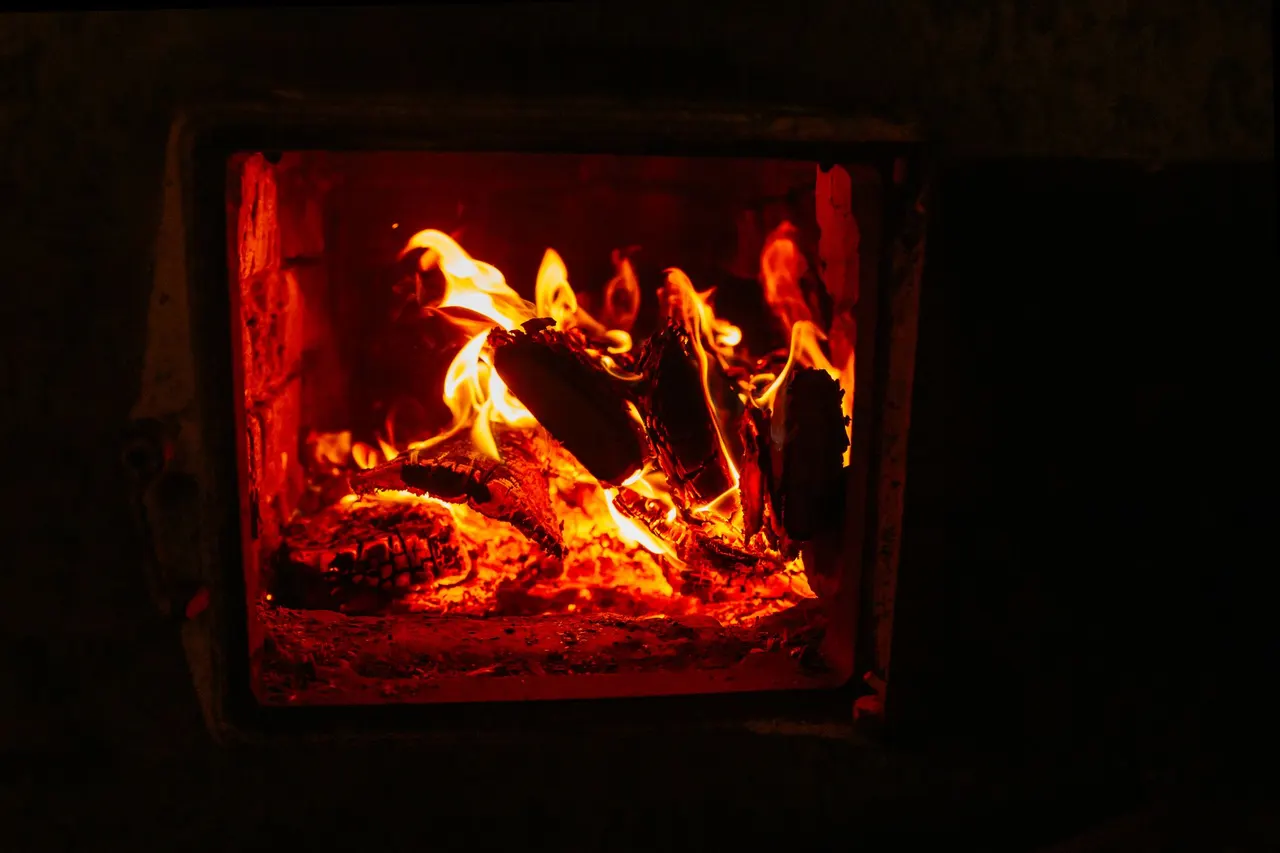
A Littleton condo owner hears a squeal from a hallway closet furnace each time the blower starts.
We isolate the motors and find the blower bearing worn and dry. We replace the blower motor with a matched unit, check the capacitor and measure amp draw.
Outcome: The closet goes quiet, the squeal no longer wakes anyone and the furnace avoids a mid-winter blower failure.
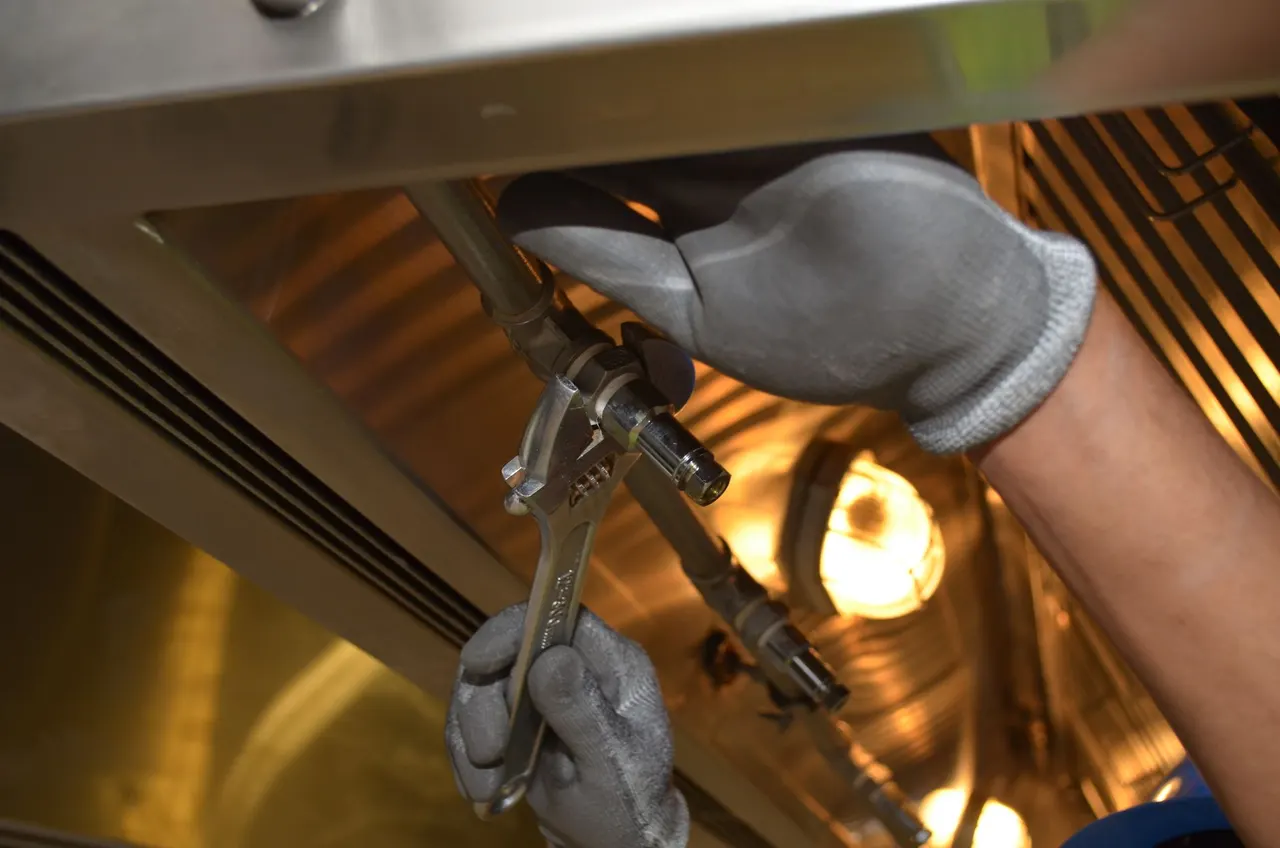
A Ketring Park home has loud pops in the ceiling ductwork whenever the furnace starts and stops.
We trace the pops to a long, unsupported trunk section that flexes as it warms. We add bracing, secure loose straps and check static pressure.
Outcome: The popping drops to a barely noticeable tick and the family stops worrying the furnace is failing.
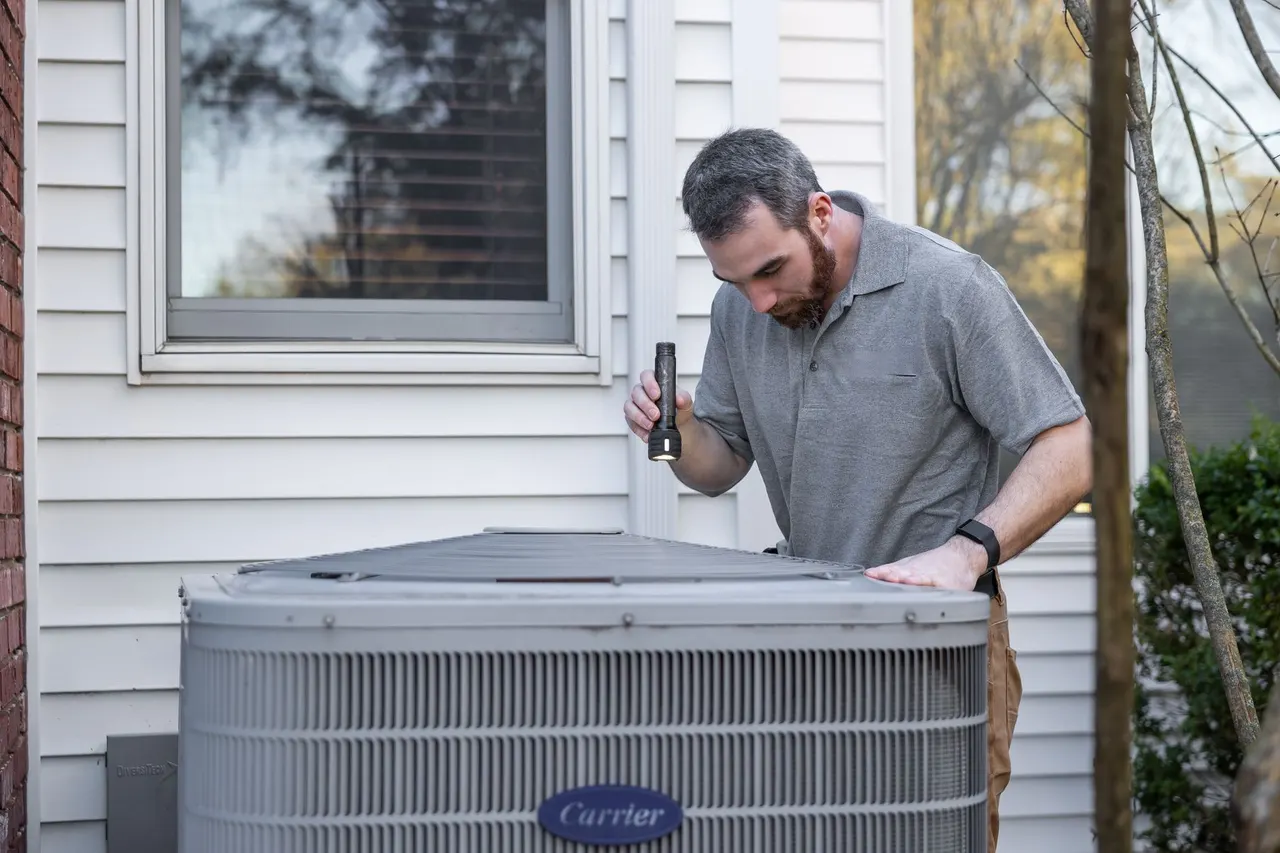
Furnace noises in Littleton have a few local patterns. Older homes near Downtown, Goddard and Sterne Park often have long metal duct runs that pop and bang as they heat and cool through Colorado's big daily temperature swings. Burners left idle all summer gather rust and dust, so the first chilly November starts are often rough or late. Elevation matters as well.
Up here, orifice size and gas pressure have to match the furnace's elevation chart, and a unit left at sea-level settings is more likely to boom at light-off. Condos and townhomes with closet furnaces make blower and inducer noises much more noticeable, since the furnace may sit next to a bedroom.
Our furnace loud noise repair in Littleton covers both the furnace and the ductwork, because the loudest sound is not always coming from the cabinet. Heater repair in Littleton, CO that starts from the true source is what turns a noisy furnace back into a quiet one.
Before: The furnace boomed at every morning start-up, loud enough to be heard upstairs, and the household worried it was unsafe.
After: Burners were cleaned and realigned and gas pressure set for altitude. Light-off became a soft whoosh across four test cycles.
Have the burners cleaned every fall, and phone us if the boom comes back.
Before: A condo closet furnace squealed every time the blower started, waking people in the next room.
After: A worn blower motor was replaced and the capacitor checked. The squeal was gone and motor amps measured within the rating.
Leave space around the closet unit and swap filters on time so the new motor runs easy.
Before: Ceiling ductwork in a Ketring Park home popped loudly at every start and stop of the furnace.
After: A long trunk section was braced and loose straps secured. The pops dropped to a faint tick barely heard in the room.
Keep registers open so duct pressure stays lower, which also helps reduce duct noise.
Noisy furnaces tend to follow four familiar patterns, each with a usual cause. These are the ones we hear most in Littleton homes, what they mean if left alone and how we fix them.
A furnace that runs quietly with the noisy part fixed early.
With the source repaired, the furnace settles back into the soft sounds nobody notices. That matters most in condos and townhomes where a closet furnace sits a few feet from a bedroom.
A squealing bearing or a whining inducer is cheaper to fix before it seizes. Replacing a worn motor early avoids a no-heat call on the coldest night and protects the control board from a stalled motor.
A boom at light-off means gas is collecting before it lights. Cleaning burners, setting gas pressure and checking the igniter brings back smooth ignition and reduces stress on the heat exchanger.
Some noises, like occasional duct pops as metal warms, are not furnace faults. We tell you which sounds are normal for your system and which ones need a repair, so you are not left guessing.
What a written scope covers and what shapes it. Prices are set by the business after the first look.
Included
Depends on
Clear records you can keep and share.
Where the noise came from and why
Parts replaced and adjustments made
Manifold pressure values if burners were adjusted
Which furnace sounds are expected and harmless
Furnace noises fall into three broad families. Knowing which family you hear helps explain the likely cause and how urgent it is.
Noises tied to the burners lighting or running.
Noises from motors, wheels, belts and loose metal.
Noises from air moving through ducts and registers.
A list like this tells people straight away whether you cover their street. Not listed? Call and ask: it only takes a minute.
Based in Littleton and covering the places around it. Pick one for local details.
A loud bang at start-up is usually delayed ignition, where gas builds up for a moment before it lights. Dirty or rusty burners, low gas pressure, a weak igniter or a misaligned burner can cause it. Each late light-off strains the heat exchanger, so get it looked at soon rather than living with it.
A squeal usually comes from blower motor bearings, an inducer motor bearing or, on older belt-drive units, a worn or loose belt. The sound is often loudest at start-up and may fade as the motor warms. Replacing the bearing, motor or belt before it fails prevents a sudden no-heat call.
A rattle is often a loose panel, screw or duct, which is not dangerous. A rattle from inside the cabinet can mean a loose blower wheel or a cracked inducer wheel, which can damage the motor. A rattle combined with a burning smell or visible flame change should be checked right away.
A loud hum can come from a blower motor that is struggling to start, often due to a weak capacitor, or from a buzzing transformer or gas valve. A hum with no airflow is a sign the blower is stalled, so turn the furnace off and call before the motor overheats.
Other services from the same team.
Record the sound on your phone if you can, note when it happens and call. We listen to it in context, find the part responsible and fix it, with the repair priced before work begins.
Call (983) 200-5821 and describe the problem: a cold house, burners that light and go out, a flashing LED or a new sound. Keep your street address handy so we can confirm your county. For planned work such as yearly maintenance or pricing a new furnace, the contact form works too.