
Larkspur-area homes
Rural and foothill homes need careful planning around distance and fuel.
- Fuel confirmed in advance
- Likely parts on the van
- Permit office check
Furnace Repair in Larkspur serves a town of about 200 residents at 6,880 feet and the much larger area that shares its mailing address. We find the problem, show you the cause and state the price before we start. For heater repair in Larkspur, call (983) 200-5821.
Littleton, Colorado
Larkspur, Perry Park and south Douglas County
Larkspur was named for the plains larkspur wildflower that grew around the original townsite, and its post office has operated since 1871, the year the railroad arrived. It grew out of the older settlement of Huntsville, a stage stop on the East Plum Creek wagon road that faded after the railroad reached Larkspur instead.
Lumber, mining and a creamery known for its cheese supported the early town, and a 1965 flood on Plum Creek destroyed much of the old downtown. Larkspur incorporated in 1979 and had 206 residents in the 2020 census. Today the Colorado Joint Line still runs through, Interstate 25 passes along the east side with exits at 172, 173 and 174, and the Colorado Renaissance Festival fills the hills to the west on summer weekends.
The town's tiny population is misleading, because the Larkspur mailing address covers far more homes, including the Perry Park area and surrounding rural properties. At close to 7,000 feet, heat is needed for most of the year, and a failed furnace is a serious problem.
Larkspur lies at the southern edge of what we cover, so planning is part of the job. A few questions by phone about fuel type, symptoms and your exact address let us pack the likely parts and work out which permit office applies.
Good to know in Larkspur
Travel time limits how many calls we can fit, so planning matters.
Permits and inspections inside the town limits are handled by SAFEbuilt, and the town's own page lists only properties within the limits.
Older buildings and small businesses near the railroad and the interstate.
We cover the town and the surrounding area, and the service list reflects mixed housing: older rural homes, newer custom houses and small businesses.
At nearly 7,000 feet, a house that stops warming loses its heat quickly.
A gas odor, or a carbon monoxide alarm going off, is the cue to get out of the building at once and phone Xcel Energy or 911.
Whether the furnace has an electronic igniter or an older standing pilot, failure to light usually traces to one worn component.
A burner that lights, then drops out within seconds is often reacting to a dirty sensor or a restricted flow of air. We clean, measure and test until the pattern is explained.
Rural and larger lots often mean longer duct runs, and the blower has to push through all of it. We read motor amperage and airflow to see whether the motor or the ductwork is at fault.
A thermostat that has lost power or a board that has stopped reading it can mimic a dead furnace. We check the simple things first and go to the board only when the evidence points there.
Bangs at startup, whining from the blower and rattles in the cabinet each carry a different message. We follow the noise back to where it starts and say whether it can wait.
Homes far from a service center benefit most from preventive work.
Where heat comes from electric elements, trouble usually sits in a breaker, relay, sequencer or element. We test each link in the circuit in order.
Small shops, event venues and offices around the interstate exits need heat that works when customers arrive.
Larkspur's Building Department, run through SAFEbuilt, only covers addresses inside the town limits, so we confirm your jurisdiction before pricing a replacement.
Pick a service to see how we approach it here.
We move from the thermostat to the filter, safeties and ignition until the break is found.
Leave the building and call Xcel Energy or 911. We inspect once the all-clear is given.
One worn part usually stops the sequence, so we follow the sequence to the end.
A dirty sensor or limited airflow is the common explanation.
Larkspur calls come from the town center, Perry Park and rural properties along the valley.
Rural and foothill homes need careful planning around distance and fuel.
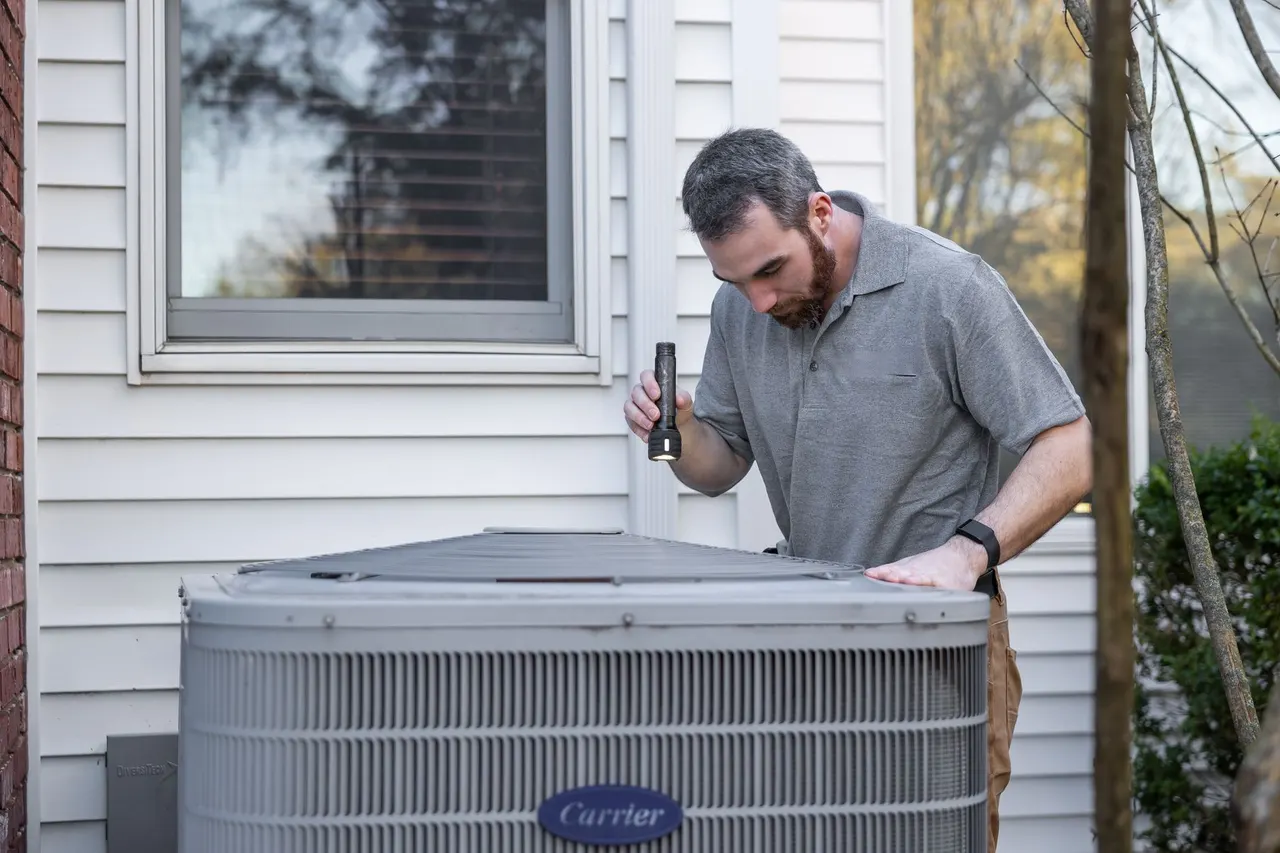
Shops and small venues near the interstate need heat when customers arrive.
Cold, dust and distance shape the repairs we see.
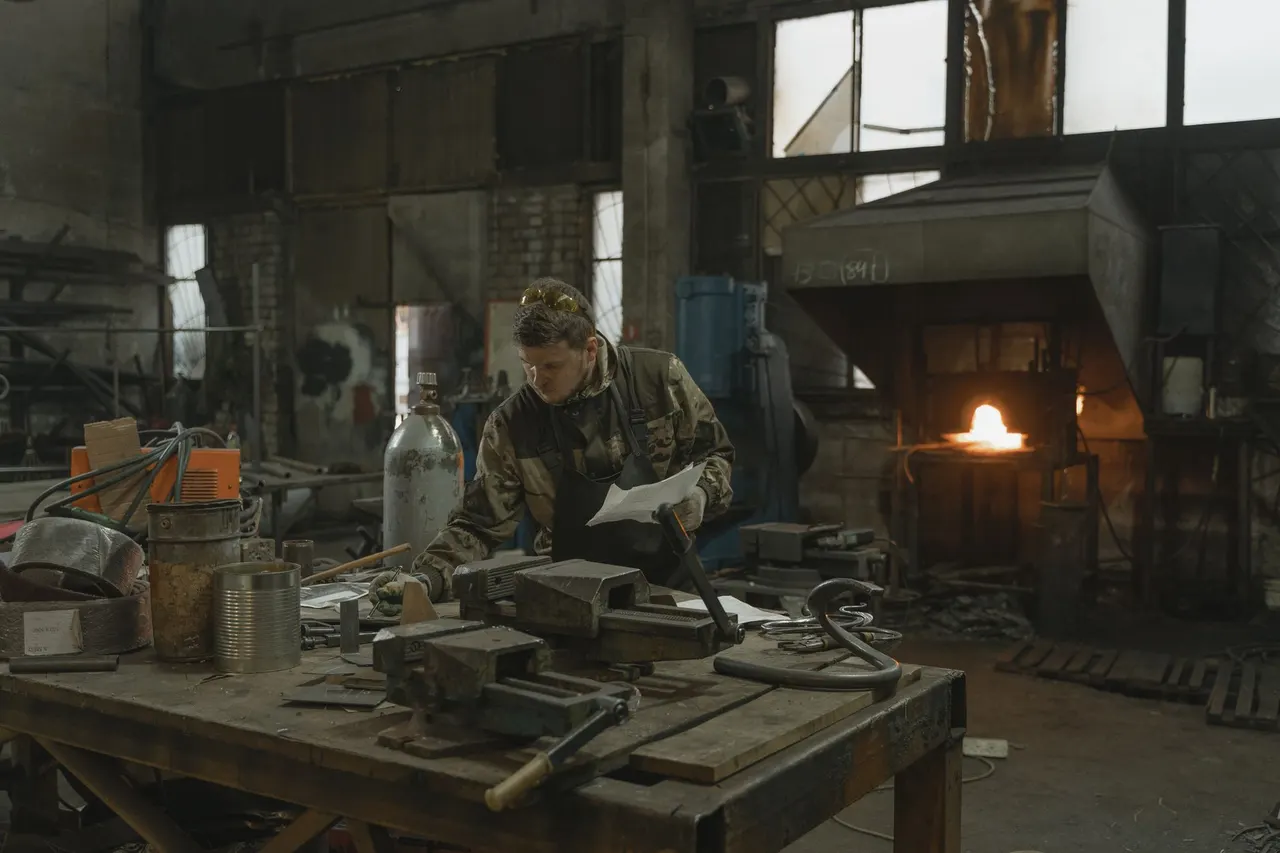
Igniters wear out faster in cold, dry conditions.
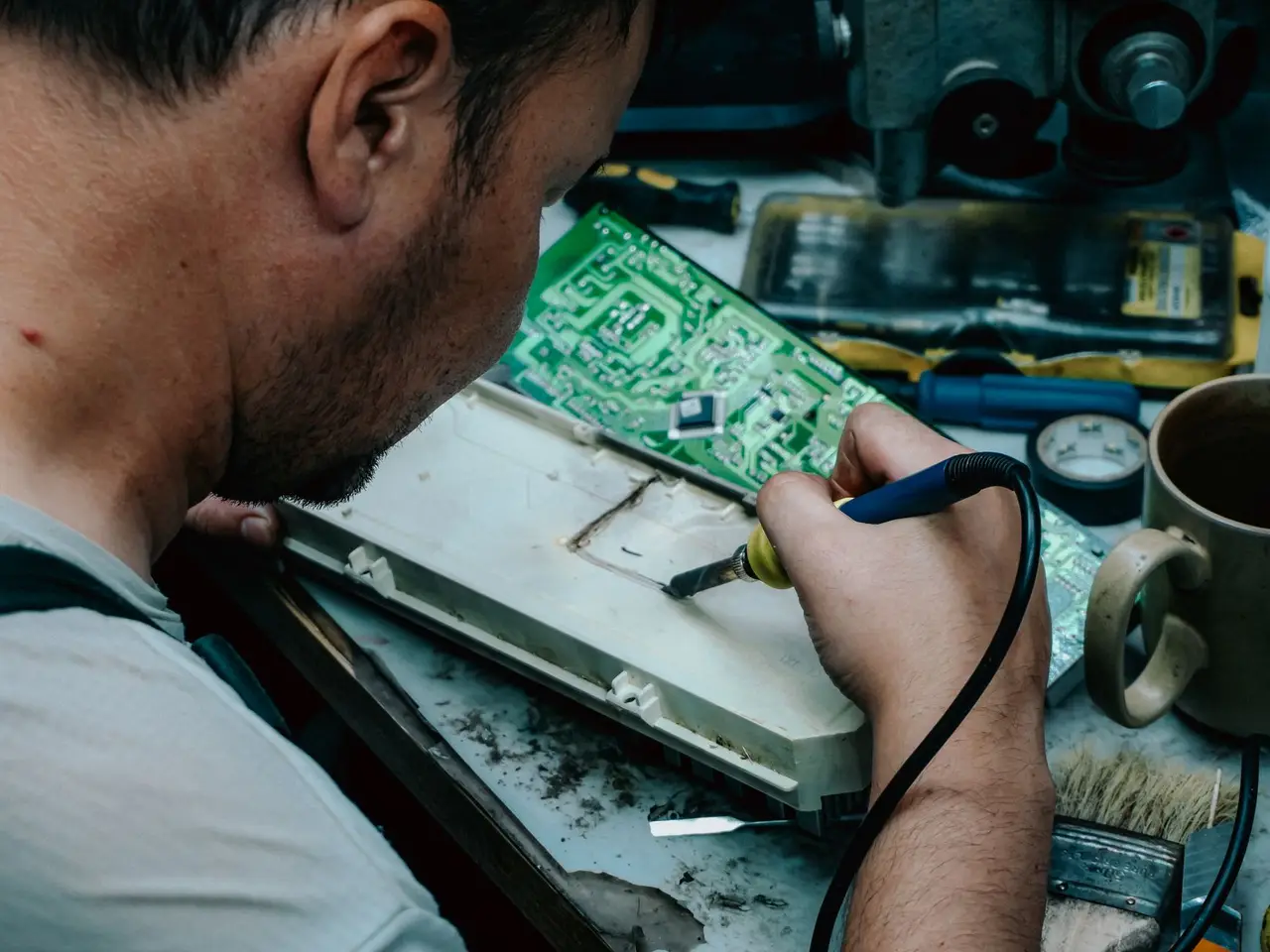
Rural dust and ranch properties load filters quickly.
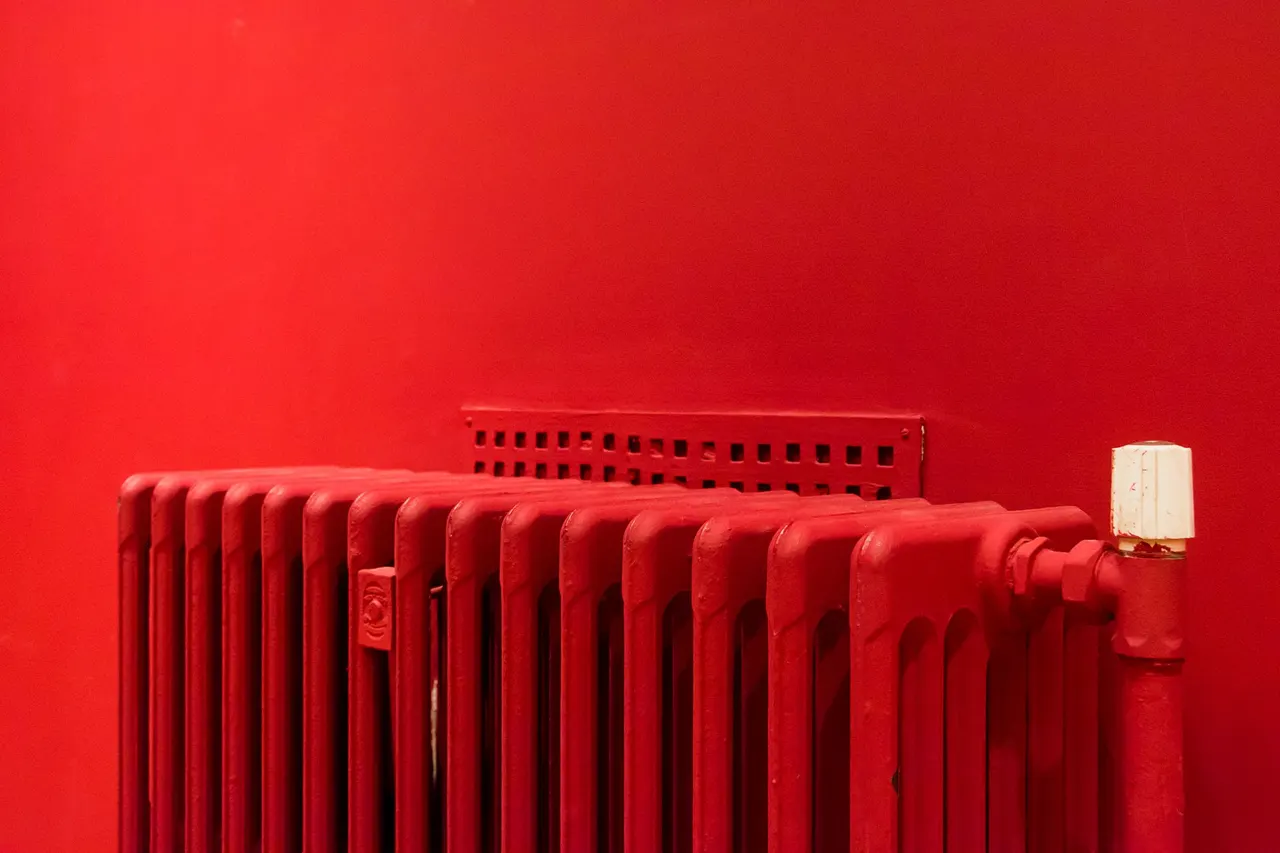
Long duct runs lose pressure, and separations are easy to miss.
Older homes may have worn or modified wiring.
Cold-morning failures, uneven rooms and new noises are the usual early warnings around Larkspur.
Any one of these is worth a call.
Nothing picked yet. Tap the signs you have noticed and this box will sum them up.
There is no price list here, because every job is different. These are the things that move an estimate most.
A longer drive can add a trip fee, which we state up front.
Gas, propane and electric systems have different parts and tests.
The permit office depends on whether the address is inside the town limits.
Knowing these places helps us find an address and work out the drive.
Landmark
Held on summer weekends in the hills just west of town.
Landmark
The lake dates to an 1888 resort development in the area.
Landmark
A landmark near Larkspur noted in local history.
Landmark
A historic site south of Larkspur, now owned by Douglas County.
Landmark
A K-6 school in town that is a familiar point of reference.
Commercial area
Small shops and offices, some in older buildings.
Commercial area
Roadside businesses that need dependable heat.
Transit
The interstate runs along the town's east edge.
Not listed? Call and we will tell you whether we can get to you.
Check my areaHeat is useful in almost every season here.
Larkspur is the farthest south of the communities we serve, on the same interstate corridor as several of the others.
Straight answers to what people ask first.
We serve the Larkspur area, including Perry Park, but we confirm each address when you call because permit rules depend on location.
Permits and inspections inside the town are handled by SAFEbuilt for the Building Department, and only properties within the town limits are covered.
Contractors use a CommunityCore account, which is set up through the Town of Larkspur.
There may be, because of the distance. We state any fee when we confirm your appointment.
Worn igniters, weak gas valves and dirty filters show up first in cold weather. We test each one.
When a furnace refuses to light, leaves rooms cold or starts making new noises, give us a call. We will explain what failed, give you the price and the timing, and help with the right permit office if you need a replacement.
Call (983) 200-5821 and describe the problem: a cold house, burners that light and go out, a flashing LED or a new sound. Keep your street address handy so we can confirm your county. For planned work such as yearly maintenance or pricing a new furnace, the contact form works too.