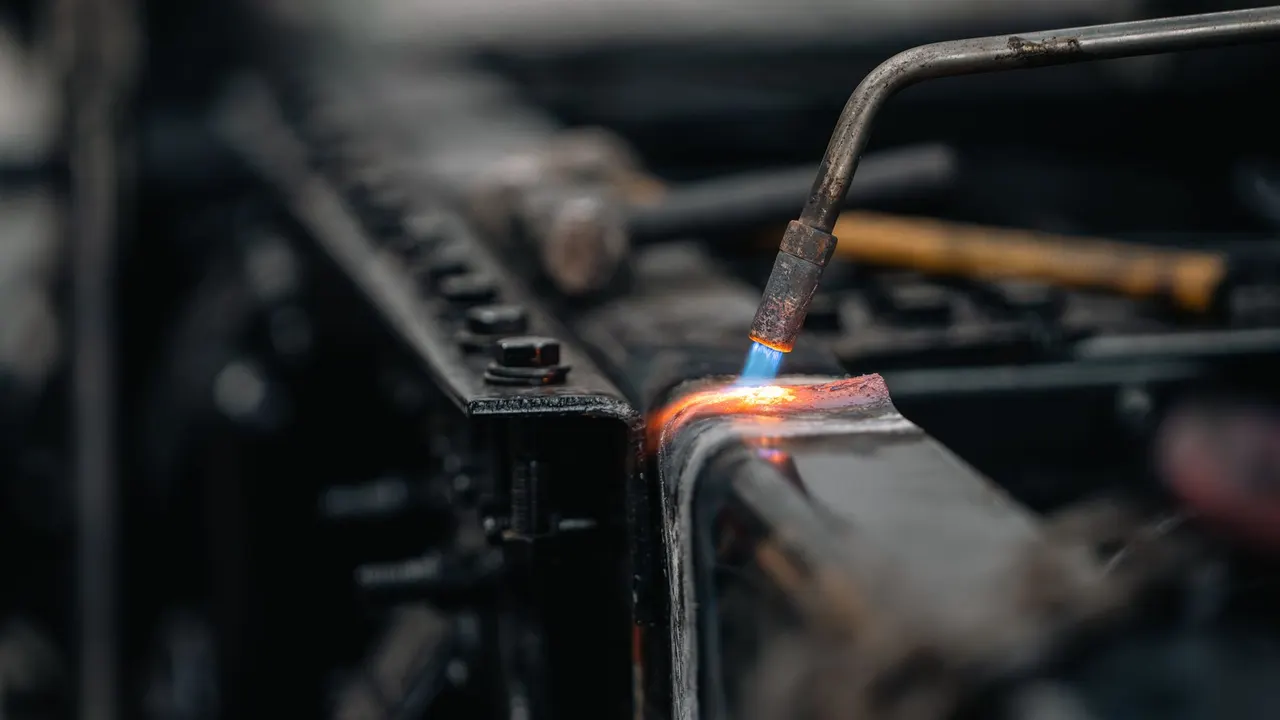
Furnace thermostat and control board repair in Littleton
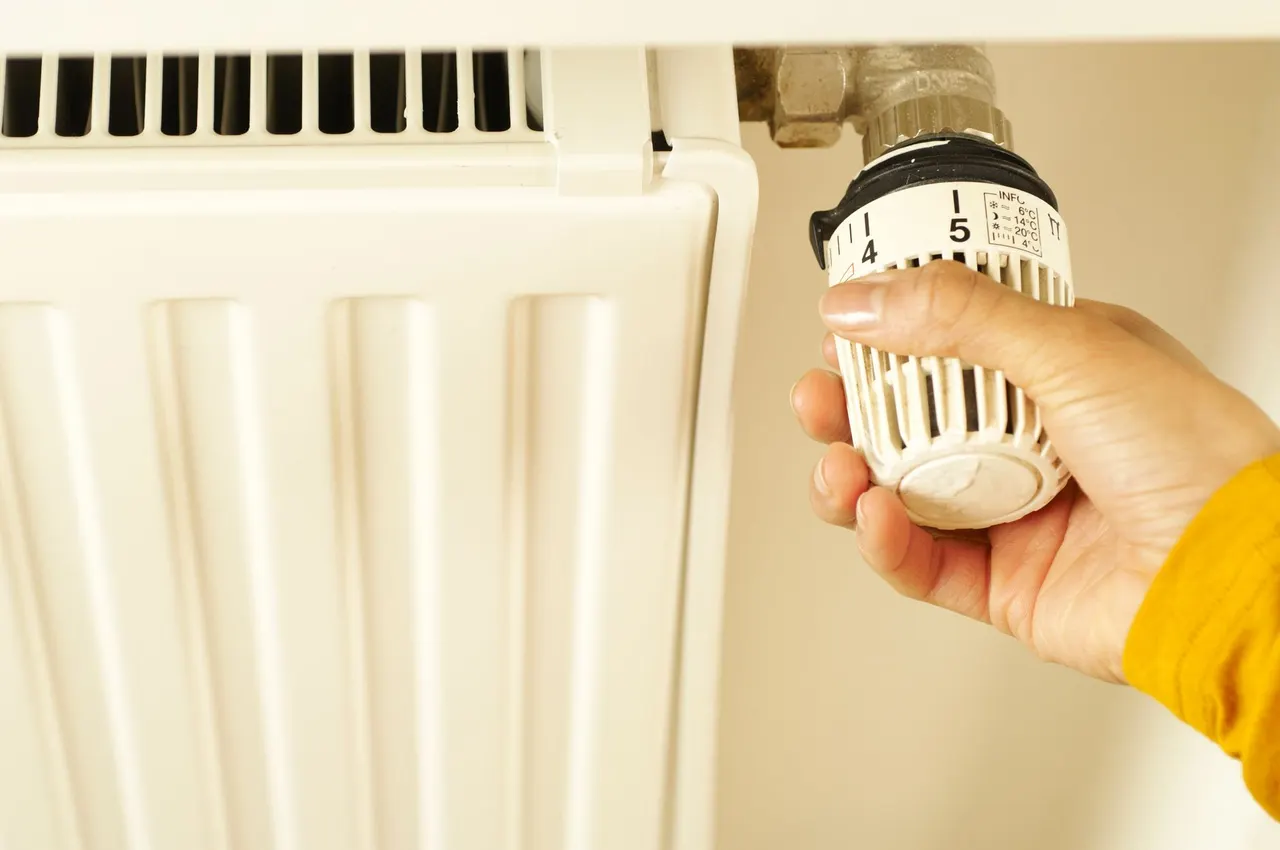
Furnace Thermostat & Control Board Repair in Littleton deals with the electrical brain of your heating system: the thermostat on the wall, the low-voltage wires behind it, the transformer and the control board inside the furnace. When the screen goes dark, the furnace stops answering or a board light starts flashing a pattern, we trace the 24-volt circuit and read the codes before replacing anything. Heater repair in Littleton for every major brand.
LED code counted24 volts tracedBoard outputs tested
Read before resetFault codes recorded before power cycling
Test the fuseBoard fuse and transformer checked first
Trace the cableThermostat wires tested end to end
Program it rightEquipment type and stages configured
What Thermostat and Board Repair Includes
Every controls visit checks the whole low-voltage path, not just the part that looks broken. Each thermostat and board visit covers the list below. When a factory board has to be ordered, the cost and timing are settled with you first.
Fault code reading
We count the board LED flashes and pull any stored fault history before cycling power, so the clue is not erased.
Power and fuse check
The service switch, breaker, door switch, board fuse and transformer output are tested to confirm the control circuit has power.
Thermostat wiring test
We check every terminal and test the cable for shorts, breaks and corroded splices from the thermostat to the furnace.
Board output test
Board outputs to the inducer, igniter, gas valve and blower are measured to see whether the board is doing its job.
Thermostat setup
Equipment type, heating stages, fan settings and C wire power are configured correctly on new or existing thermostats.
Homes and businesses.
The approach is the same for a home and a business. What changes is the access, the schedule and who needs the paperwork.
Homes and condos
When the thermostat and furnace stop talking, the house goes cold even though the furnace may be fine. We trace the circuit, read the codes and fix the link that broke.
Blank thermostat screen
Furnace ignores the thermostat
Smart thermostat keeps rebooting
Shops and offices
Commercial heating often runs on programmable thermostats and schedules. We test the controls, correct the wiring or settings and review the fix with the owner or manager.
Schedule not holding
Zone not calling for heat
Rooftop unit fault codes
Furnace Thermostat & Control Board Repair in Littleton Explained
A plain-language look at what Furnace Thermostat & Control Board Repair involves and when it is needed.
Furnace Thermostat & Control Board Repair in Littleton is an electrical controls repair service that restores communication between your thermostat and your furnace. A standard system runs on 24 volts supplied by a transformer inside the furnace. The thermostat closes a circuit on the W wire to call for heat, the control board receives that call and runs the inducer, igniter, gas valve and blower in order, and an LED on the board reports problems as a flashing code. A failure anywhere in that chain, from a dead thermostat battery to a burned board relay, can stop the heat.
Control problems in Littleton often follow thermostat upgrades, basement remodels and winter storms. A new smart thermostat installed without a C wire may drain batteries or reboot. Finishing a basement can pinch or nick thermostat cable running through joists, shorting it and blowing the board's 3 or 5 amp fuse. Power flickers during snowstorms can damage transformers and boards. When people search why furnace lights are blinking in Littleton, the code is usually the furnace's own report of what went wrong, and reading it correctly is the first step.
A blinking furnace light is a message, and reading it before resetting the furnace saves time and money.
What it is
Repair of the thermostat, wiring, transformer and control board that tell a furnace when and how to heat.
When you need it
A blank thermostat, a furnace that ignores calls for heat, a blinking LED code or a rebooting smart thermostat.
What to expect
Code reading, power and wiring tests, board output checks, a quoted repair and configured settings.
Our Controls Diagnosis Process
A controls visit follows the 24-volt circuit from the transformer to the thermostat and back to the board. Plan on roughly an hour or two for a typical controls repair with testing included. The steps below happen on every call.
Note the symptom and code
Over the phone, let us know what the wall unit displays, whether the furnace makes any sound and how many times the board LED flashes, including any pause between groups. Counting the flashes before you turn anything off preserves the code.
Screen
Sound
Flashes
Check power and fuse
At the furnace, we check the service switch, breaker and door switch, then test the board fuse and the transformer output. A healthy transformer reads about 24 to 28 volts on the secondary side.
Switch
Fuse
Transformer
Trace the wiring
We check the R, C, W, G and Y connections at the board and thermostat, then test the cable for shorts and breaks. Pinched wires near basement joists or chewed wires in crawlspaces are common culprits.
Terminals
Cable
Splices
Test the board
We jump the thermostat terminals at the board to see whether the furnace responds, then check board outputs to the inducer, igniter, gas valve and blower. This separates thermostat faults from board faults.
Jumper
Outputs
Relays
Repair and program
After replacing a thermostat, transformer, fuse, wire run or board, we set equipment type, stages and fan settings, then run several heating cycles. We write down the cause, the replacement part and the settings we chose.
Replace
Configure
Cycles
Controls Testing Tools and Methods
Move across a circle, or focus it and press Enter, for an illustrative thermal view of the photograph.
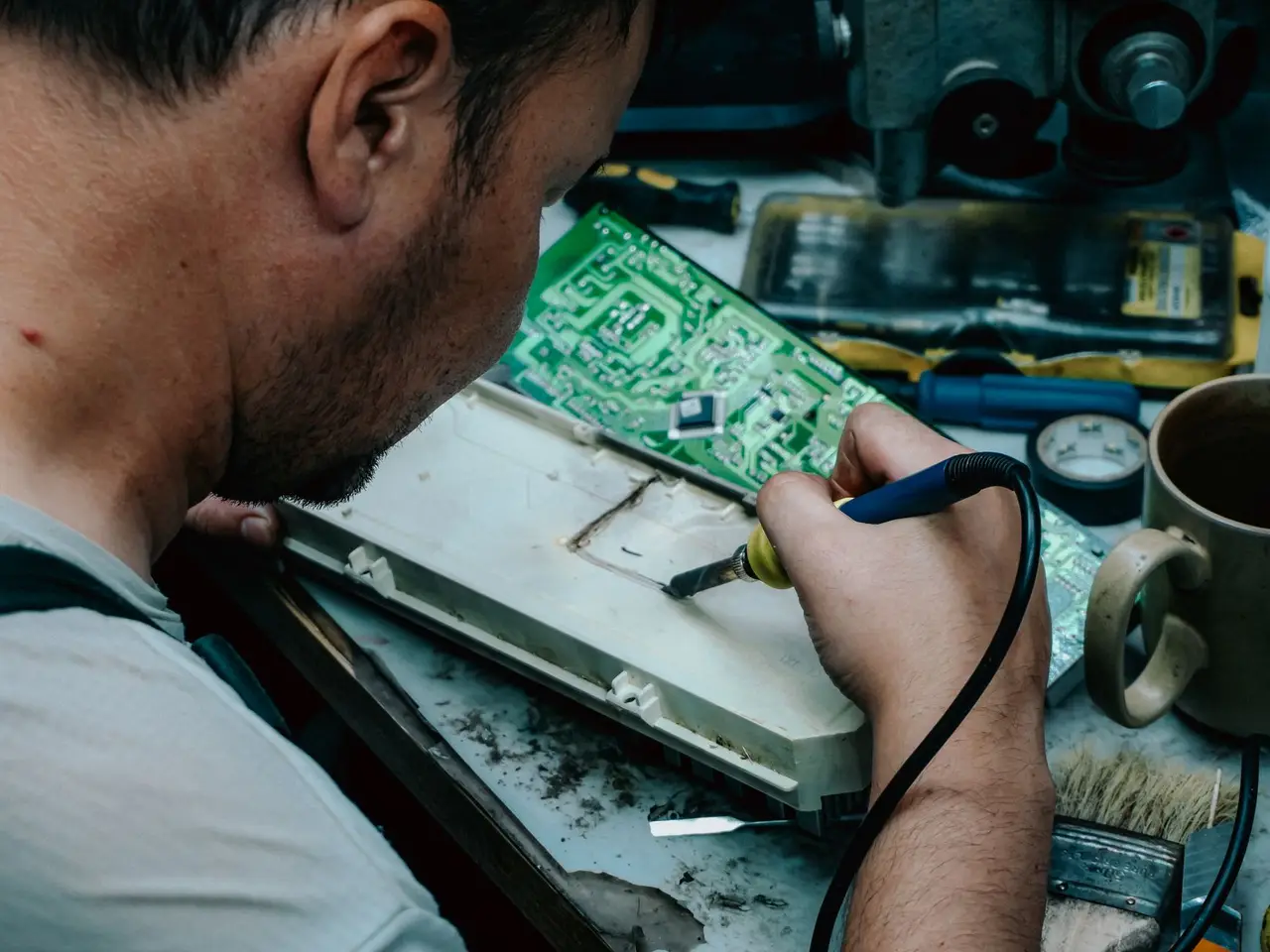
Digital multimeter
Measures transformer output, fuse continuity, thermostat wire voltage and board outputs, the core readings for controls diagnosis.
Wire tracer and tone kit
Locates shorts and breaks in thermostat cable hidden in walls, ceilings and joists, avoiding unnecessary wall opening.
Manufacturer code charts
Brand-specific LED charts translate flash patterns into the fault the board detected, guiding the next test.
Thermostat jumper leads
Used to call for heat directly at the board, which separates thermostat and wiring faults from board faults in seconds.
Thermal views are illustrative, generated from the photographs.
Methods
Code before reset
We count flashes and read stored history before any power cycle, since many boards erase the current code when power is removed.
Follow the 24 volts
Testing moves from the transformer to the thermostat and back to the board, so the point where the signal is lost becomes clear.
Cause before board
Before a new board goes in, we find what damaged the old one, such as a shorted wire, weak transformer or failing motor drawing excess current.
Configure and verify
New thermostats and boards are configured for the furnace, then proven over several heating cycles with every stage tested.
Common Controls Calls
Pinched wire
After a basement remodel in Columbine Knolls, the thermostat screen goes blank and the furnace will not run.
We find the board's 3 amp fuse blown and trace it to a thermostat cable pinched by a drywall screw. We repair the cable, replace the fuse and test the transformer and thermostat.
Outcome: Heat returns and the board is protected because the short that blew the fuse is gone.
Post-outage lockouts
A Southwest Littleton furnace flashes a code and locks out every few nights after a recent power outage.
We read the stored history and test the board and transformer. The transformer output is low and the board relay pitted. We replace both and run several heat cycles.
Outcome: The lockouts stop and the furnace responds normally to every call for heat.
Smart thermostat
A TrailMark homeowner installs a smart thermostat, and it keeps rebooting and losing Wi-Fi.
We find no C wire connected and an unused conductor in the cable. We connect it at both ends, set the equipment type and two-stage settings, and test the system.
Outcome: The thermostat stays powered, the schedule runs and the two-stage furnace uses its low-fire stage as designed.
Columbine KnollsSouthwest LittletonTrailMark
Controls Repair in Littleton Homes
Controls repairs in Littleton often trace back to how homes have changed over time. Plenty of 1970s and 1980s houses on the southwest side and in Columbine Knolls have finished basements where thermostat cable runs through joists that later got drywall, and a single misplaced screw can short the cable and blow the board fuse.
Smart thermostat upgrades are common across the area, and older homes often have only two or four thermostat wires with no C wire, which leads to rebooting and lost connections. Winter storms and power flickers can damage transformers and boards, especially on older furnaces. Littleton's dry air also adds static electricity in winter, and careless handling of a new board can damage it before it is installed.
Every furnace thermostat and control board repair in Littleton we do allows for these patterns by checking wiring and power before condemning a board. On heater repair jobs in Littleton, CO, that approach often saves the cost of a new board and keeps the replacement, when one is needed, from failing early.
Columbine Knolls: Finished basements with thermostat cable behind drywall are a common source of shorted wires and blown board fuses after remodeling.
Southwest Littleton: Older furnaces here can lose transformers and boards after power outages, showing lockouts and fault codes in the weeks that follow.
TrailMark: Newer homes often have smart thermostats and two-stage furnaces, where wrong equipment or staging settings cause poor performance.
Basement finishing over existing thermostat cable: Screws and nails can pierce hidden wiring, causing shorts that blow board fuses and sometimes damage the board itself.
Winter storms and power interruptions: Voltage spikes and brownouts can weaken transformers and boards, leading to failures days or weeks after the event.
Older thermostat cable without a spare wire: Smart thermostats lack steady power without a C wire, causing rebooting, lost schedules and unexpected furnace cycling.
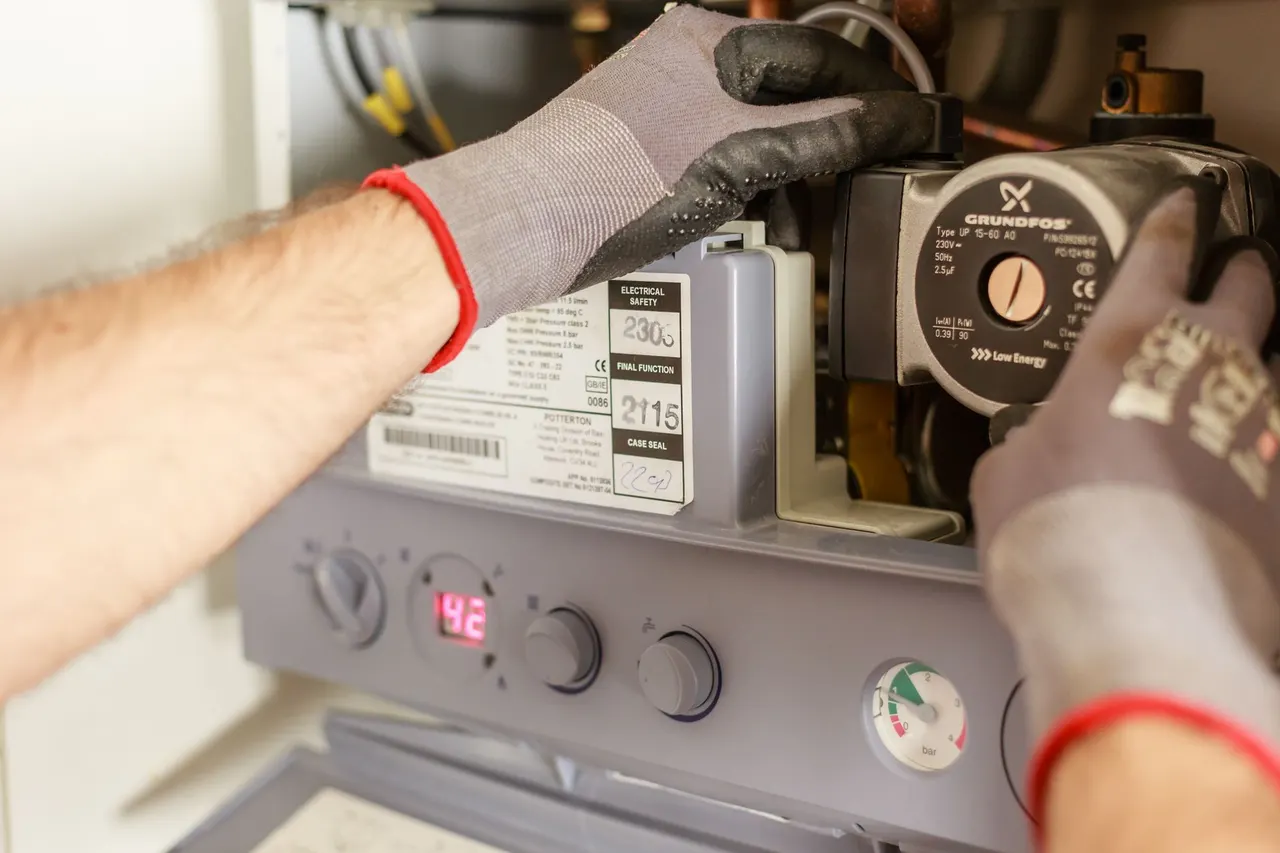
Technician records the LED code before touching the power
Thermostat and furnace panels opened for wiring tests
Settings confirmed and several cycles run before leaving
From problem to finished result.
IllustrativeThe thermal view is generated from the photograph. It is not a measurement. Drag the handle, or use the arrow keys once it is focused.
Pinched wire in Columbine Knolls
Before: Right after a basement remodel, the wall display went dark and the furnace stayed quiet. The household had replaced the thermostat with no change.
After: A drywall screw had pierced the cable and blown the 3 amp fuse. With the cable repaired and a new fuse, the transformer read 26 volts and the furnace ran normally.
Mark thermostat cable paths before any future drywall work, and phone us if the new fuse ever pops.
Post-outage lockouts
Before: A furnace in Southwest Littleton locked out every few nights after a winter power outage, flashing a code each time.
After: Low transformer output and a pitted board relay were found. Both were replaced, and the furnace ran several clean cycles without a lockout.
Adding surge protection to the furnace circuit gives the new board a buffer against the next outage.
Rebooting smart thermostat
Before: A new smart thermostat in TrailMark rebooted several times a day and lost its Wi-Fi connection.
After: A spare conductor was connected as a C wire and the staging settings corrected. The thermostat stayed powered and the schedule ran as set.
Check that firmware updates do not change equipment settings, and call if the thermostat starts rebooting again.
Solving Furnace Control Problems in Littleton
Controls problems usually show up as one of a few patterns. Each has a different likely cause, and some are easy to mistake for other furnace failures. Here are the controls faults that come up most around Littleton.
Blank screenThermostat screen is blank and the furnace is silentThe house has no heat, and replacing the thermostat alone often fails because the power problem is in the furnace. We check the furnace switch, breaker, door switch, board fuse and transformer. If the fuse is blown, we find the short in the thermostat cable before replacing it.
Ignored thermostatFurnace ignores the thermostat but has powerThe thermostat calls for heat but nothing happens, and the household may assume the furnace itself has failed. We jump the thermostat terminals at the board to see whether the furnace responds, then test the cable and the thermostat to find where the call is lost.
Flashing codeLED flashing a fault codeThe furnace locks out or runs poorly, and resetting it repeatedly only hides the problem until the next cold night. We read the code, check the stored history and test the part the code points to, whether a pressure switch, limit or ignition component, then fix the cause.
Rebooting smart thermostatSmart thermostat reboots or loses connectionThe schedule stops working, the furnace may turn on or off unexpectedly and the thermostat drains or loses power. We confirm C wire power, connect a spare conductor or add an adapter, and set the equipment type and staging so the thermostat runs reliably.
What Fixing the Controls Gets You
A furnace that answers the thermostat every time it calls.
A thermostat the furnace obeys
When the wiring, transformer and board are right, the furnace responds to every call for heat within seconds and shuts off when the set point is reached, instead of ignoring the thermostat or running nonstop.
No more mystery codes
We read the flashing LED against the manufacturer's chart and the board's stored fault history, then fix the condition behind it. The code clears for a reason, not because the power was cycled.
Protection for the new board
Whatever killed the old board, whether a shorted conductor or a tired transformer, will kill the next one unless it is fixed. We find and fix that cause before installing a replacement, so the new board lasts.
Smart thermostats that work
Wi-Fi and smart thermostats need steady power. We confirm or add a C wire connection, set the equipment type correctly and check stage settings, so the thermostat stops rebooting or losing its connection.
What a written scope covers.
What a written scope covers and what shapes it. Prices are set by the business after the first look.
Included
LED fault code and stored history read
Service switch, breaker and door switch checked
Board fuse and transformer output tested
Thermostat cable tested for shorts and breaks
Board outputs to each component measured
Thermostat equipment and stage settings configured
Furnace lights blink because the board is sending you a status or fault message. A slow, steady blink often means normal operation, while a pattern of short flashes signals a specific problem such as a pressure switch, limit switch or ignition fault. Count the flashes, note any pause between groups and match them to the chart on the inside of the furnace door before turning off power.
Most furnaces clear an error code when you turn off power at the service switch or breaker for about 30 seconds, then turn it back on. Write down the code first, because resetting erases it. If the same code returns, the underlying problem is still there, and repeated resets will not fix it. Call us with the code so we can test the right part.
When a furnace stays silent on a heat call, the usual suspects are a popped fuse, a dead transformer, damaged thermostat cable or a wall unit that never sends the signal. Dead thermostat batteries and a furnace service switch left off are quick things to check yourself. If those check out, our tech follows the low-voltage loop one terminal at a time.
Without it, some models draw power through the heating circuit, which can cause rebooting, short cycling or a furnace that turns on by itself. We can connect an unused wire in your existing cable or add a power adapter if no spare wire is available.
Book Thermostat & Control Board Repair in Littleton
Count the LED flashes and note what the thermostat screen shows, then call. We trace the 24-volt circuit, read the codes and fix the real cause before replacing any board.
Call (983) 200-5821 and describe the problem: a cold house, burners that light and go out, a flashing LED or a new sound. Keep your street address handy so we can confirm your county. For planned work such as yearly maintenance or pricing a new furnace, the contact form works too.