Furnace not heating repair in Littleton that finds the real stall point
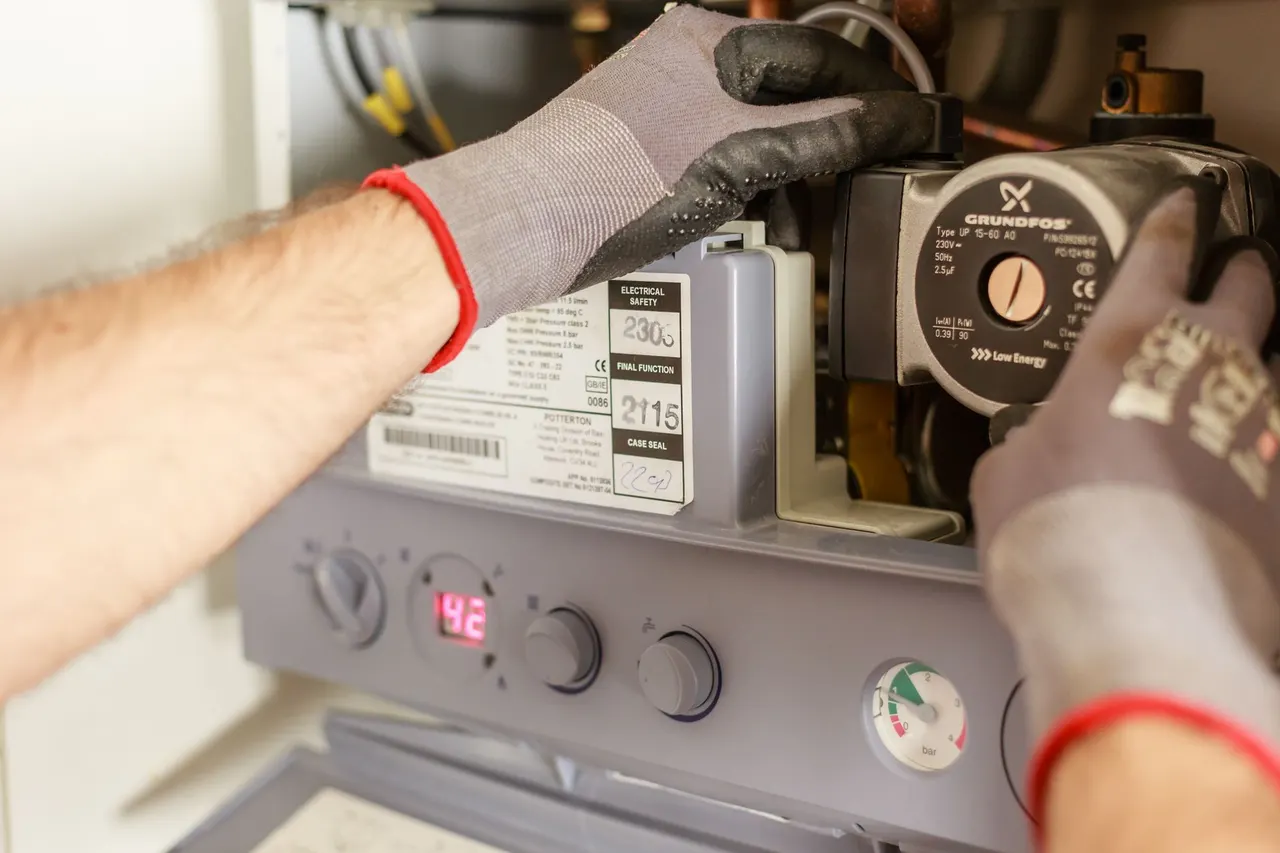
Furnace Not Heating Repair in Littleton is for the morning your thermostat reads 61 and keeps falling. Maybe the blower pushes cool air, maybe the burners never light, maybe nothing happens at all. We follow your furnace through its start-up sequence until we see exactly where it stops, then fix that point. Heater repair in Littleton, CO, covering houses, condos and rentals across Arapahoe County.
Watch before testingFurnace runs while we observe each stage
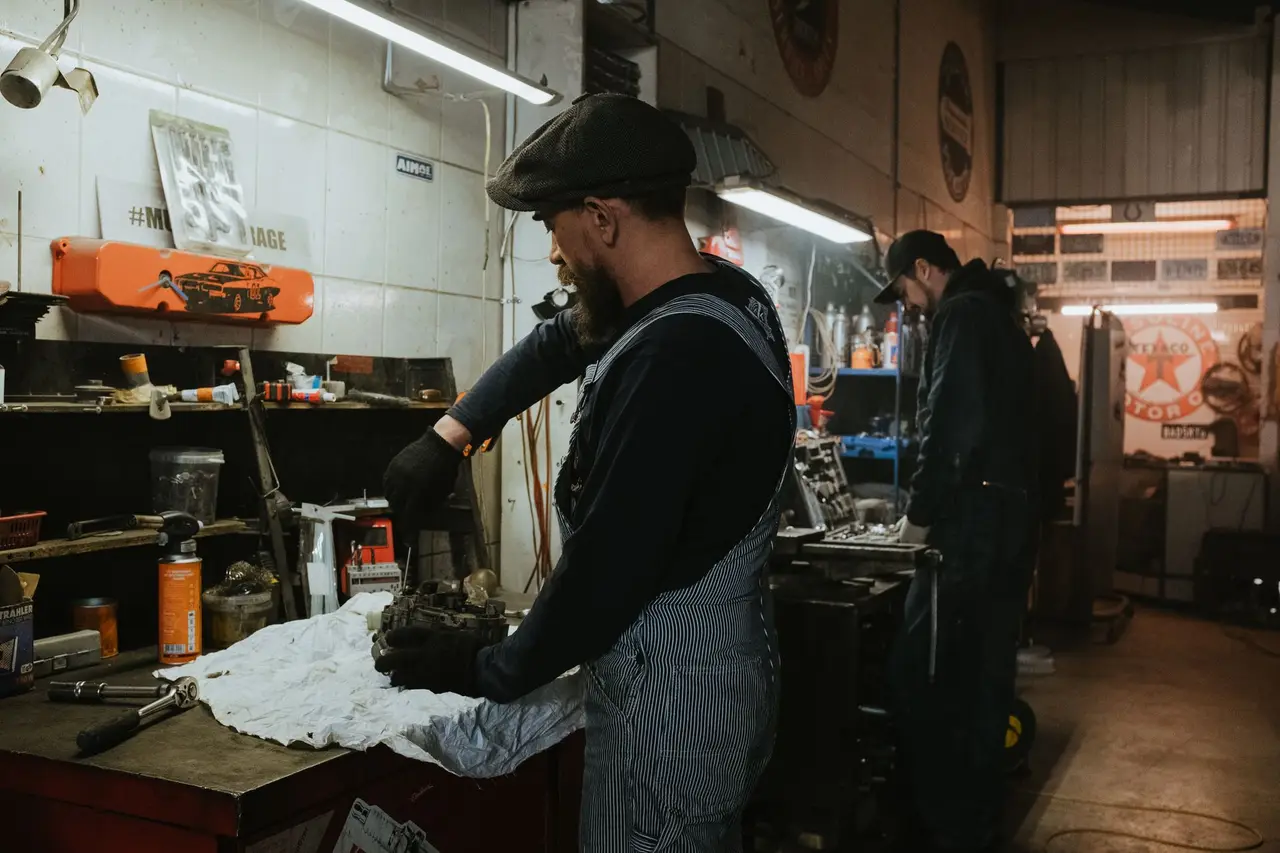
Meter every suspectReadings decide which part gets replaced
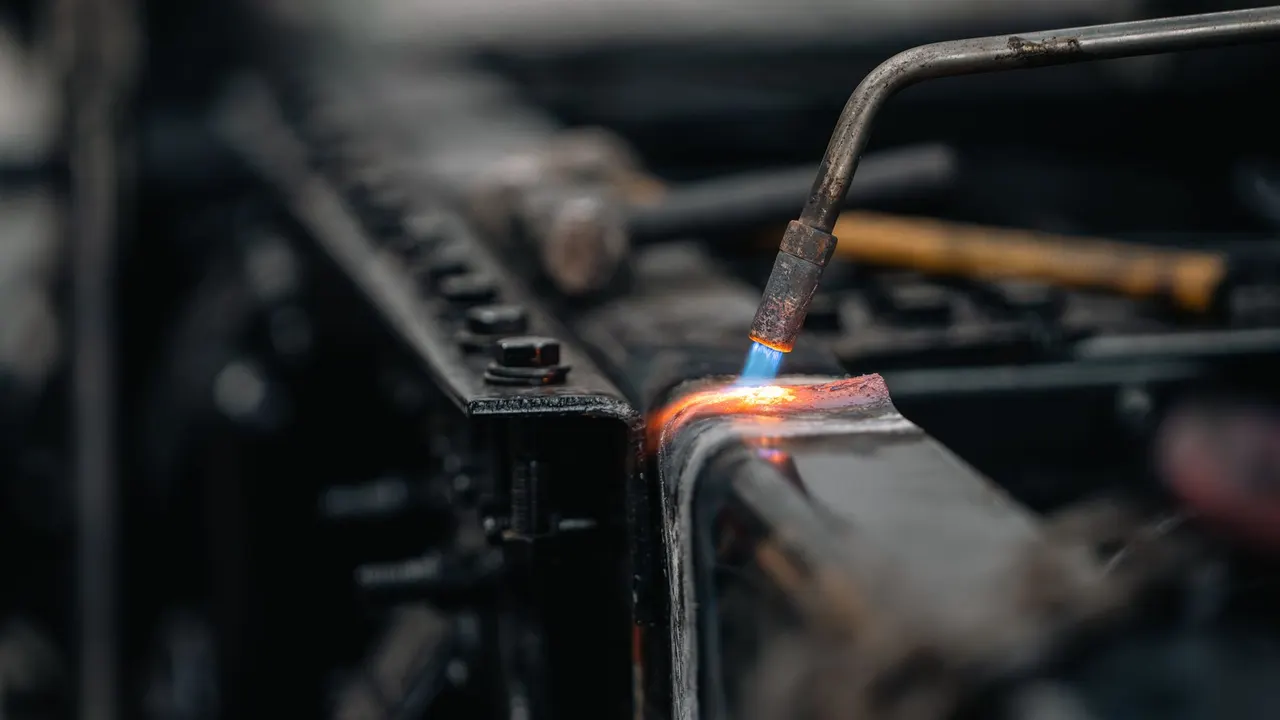
Check the ventIntake and exhaust cleared of snow
Run several cyclesRepeat starts prove the repair holds
What a Furnace Not Heating Repair Includes
Each no-heat visit covers the full path from the thermostat to the supply registers, because the fault can sit anywhere along it. The parts below are tested on every call. If the cause turns out to be a part that needs ordering, such as a brand-specific control board, we explain that and give you the timing before you approve.
Thermostat and wiring check
We check that the thermostat is in heat mode, is powered, and sends a 24-volt call on the W terminal. We also inspect the wire run at the furnace for pinched, chewed or corroded conductors, a common problem where cable passes through unfinished basement joists.
Ignition sequence test
Inducer start, pressure switch closing, igniter warm-up and gas valve opening are each watched and measured. We write down the igniter's ohm reading and the switch draft, so you know which reading was out of range.
Gas supply and pressure
We check that the gas cock is open, read inlet pressure coming from the meter and manifold pressure leaving the valve, then hold both up to the furnace's high-altitude settings. Low inlet pressure points to a supply issue for Xcel Energy, not the furnace.
Airflow and filter
A clogged filter or closed return can trip the high limit switch so the burners shut off early and the house never warms. We check filter condition and size, temperature rise and the limit switch, then replace the filter if needed.
Condensate path on 90 percent units
High-efficiency furnaces stop heating when the condensate trap or drain is blocked or frozen. We clear the trap, check the drain line and confirm the pressure switch hose is dry and intact.
Combustion and CO check
After the repair, we inspect the flame pattern, check the flue connection and take a carbon monoxide reading at a supply register so the furnace returns to service burning cleanly.
Homes and businesses.
The approach is the same for a home and a business. What changes is the access, the schedule and who needs the paperwork.
Homes and rentals
No heat at home usually means one failed part in the start-up sequence. We find that part, replace it and prove the furnace runs several full cycles before we pack up.
Blower runs but air stays cold
Furnace silent with a blank thermostat
Heat stops after a snowstorm
Shops and offices
A cold office or shop costs work time and comfort. We coordinate access with the owner or property manager, test the heating unit step by step and explain the repair before work starts.
Rooftop unit not lighting
Tenant space too cold in mornings
Furnace locks out after a long weekend
What Furnace Not Heating Repair in Littleton Covers
A plain-language look at what Furnace Not Heating Repair involves and when it is needed.
Furnace Not Heating Repair in Littleton is a hands-on troubleshooting job that restores heat when a gas or electric furnace runs without warming the house, or will not start at all. A modern gas furnace has to pass roughly seven checkpoints in order: a 24-volt call from the thermostat, inducer start, pressure switch closing, igniter warm-up, gas valve opening, flame proving and blower start. A failure at any one of them leaves you cold. Our job is to find which checkpoint failed, test the part responsible, and replace or adjust it.
No-heat calls in Littleton spike during the first cold front of the season, usually late October into November, when furnaces that sat idle all summer are asked to run hard. Dust burned off a dirty igniter, a pressure switch hose cracked in a hot attic, a gas valve that sticks after months of rest, or a filter that clogged over the summer can all show up on the same week. If you have searched for a furnace blowing cold air in Littleton, or a heater that runs but the house stays cold, this is the page for you.
A furnace that is not heating has stopped at one step in its start-up order, and testing reveals which step.
What it is
A diagnostic repair that finds where a furnace's start-up sequence fails and fixes that part so heat returns.
When you need it
Cold air from vents, no burner flame, a silent furnace or repeated lockouts with a blinking LED.
What to expect
Sequence testing, a named cause, a quoted repair, then several full heating cycles plus a CO check.
What Happens During a No-Heat Visit
A no-heat visit follows the same order the furnace itself follows, which is why the cause shows up quickly. You will see the technician remove the burner door, connect meters and run the furnace several times. The full visit for a one-part repair runs about one to two hours, start to finish.
Phone triage
On the phone, describe the symptom: cold air, no air, a clicking sound, or a blinking LED and how many times it flashes. We also ask about the thermostat batteries and the furnace switch, because a dead battery or a switch flipped off during cleaning accounts for a small share of no-heat calls and takes thirty seconds to rule out.
Symptom
LED code
Thermostat
Thermostat to furnace
At the furnace, the technician confirms 24 volts at the R and W terminals while the thermostat calls for heat. If the call never arrives, the fault is upstream in the thermostat, its wiring or the transformer. If it does arrive, the problem is inside the furnace, and the search narrows immediately.
24 volts
R and W
Wiring
Sequence watch
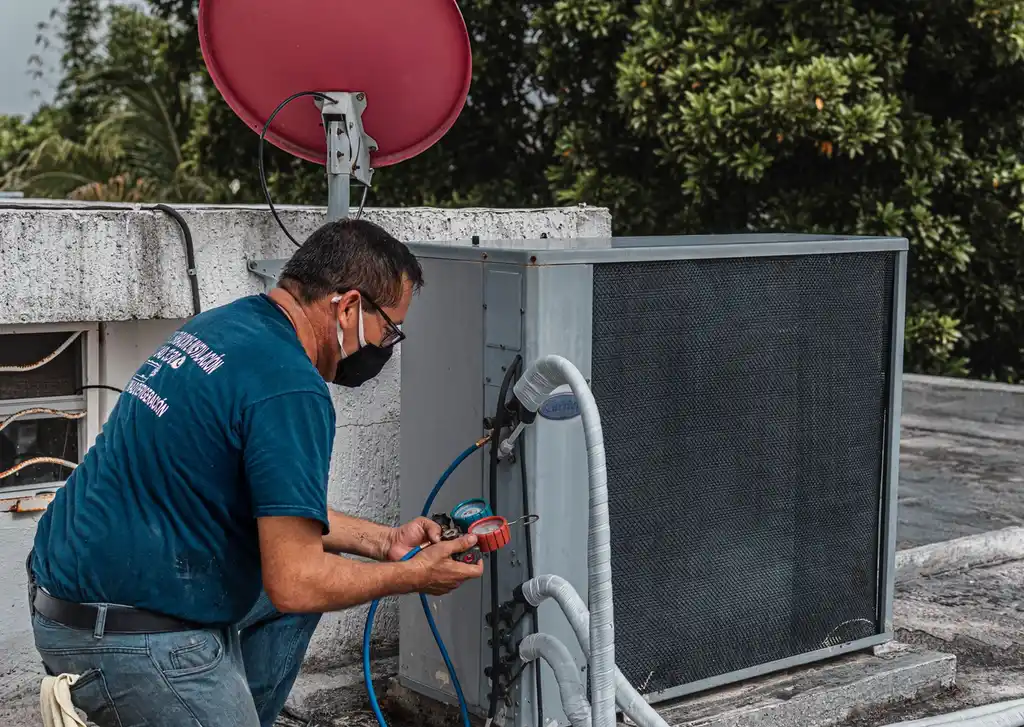
With the panel off, we watch the inducer start, then read draft at the pressure switch on a manometer, check igniter ohms with a meter and the signal reaching the gas valve. Wherever the sequence stops is where testing goes deeper. Fault codes stored on the control board are pulled at this stage too.
Inducer
Draft
Igniter
Repair and adjust
Once the failed part is confirmed, we explain it, quote it and replace it with your approval. Where the cause is an adjustment rather than a broken part, such as low manifold gas pressure for 5,351 feet, we set it to the maker's figure for our elevation rather than the sea-level one.
Quote
Replace
Adjust
Prove the heat
We run at least three full heating cycles, measure temperature rise across the heat exchanger against the range printed on the rating plate, and take a carbon monoxide reading. You get a short note listing the cause, the part replaced and anything that looked borderline.
Three cycles
Temp rise
CO reading
Tools and Methods for No-Heat Diagnosis
Move across a circle, or focus it and press Enter, for an illustrative thermal view of the photograph.
Digital multimeter with microamp range
Measures 24-volt control signals, igniter resistance in ohms, fuse continuity and flame rectification signal in microamps, the four readings behind most no-heat diagnoses.
Digital manometer
Reads pressure switch draft and inlet and manifold gas pressure in inches of water column, so we can tell a venting problem from a gas supply problem.
Combustion analyzer
Checks CO levels in the vent pipe and at a register following any repair that touches the burners, gas valve or venting.
Temperature probes
Two probes, one in the return and one in the supply, measure temperature rise across the heat exchanger and confirm the furnace is delivering heat within its rated range.
Manufacturer fault code charts
Brand and model specific code charts let us translate the blinking control board LED into a starting point, rather than guessing at a generic meaning.
Thermal views are illustrative, generated from the photographs.
Methods
Inspection mirror and flashlight
Used to look for hairline cracks on igniters, soot around burners, rust at the heat exchanger and water in the pressure switch hose.
Sequence-of-operation testing
Testing tracks the start-up chain link by link, beginning with the 24-volt call and ending with the blower, and each link is confirmed before moving to the next. The first stage that fails is where the repair lives, which keeps the diagnosis short and the repair accurate.
High-altitude setup check
We compare manifold pressure, orifice size and pressure switch rating with the manufacturer's tables for elevations around 5,351 feet. Furnaces set up for sea level can over-fire, roll flame out of the burner or fail to prove draft, all of which cause no-heat lockouts.
Root-cause before replacement
When a part has clearly failed, we still ask why. A blown fuse points to a short, a failed pressure switch may point to a blocked vent and a burned igniter may point to high voltage. Fixing the cause keeps the new part from failing next month.
Multi-cycle verification
A furnace can light once and fail on the third try. We run at least three complete heating cycles after the repair and watch every stage, so intermittent faults show themselves while we are still there.
When to Call for No-Heat Repair
First cold snap
The first cold snap in November arrives and your furnace, idle since April, blows cold air while the burners never light.
We test the igniter, which often cracks after a long idle period or a dusty startup, and check the flame sensor and gas valve. If the igniter reads open or shows a hairline crack, we replace it with a matched or universal part from the truck and run several cycles.
Outcome: Heat returns the same afternoon, and you know whether the rest of the ignition system is in good shape for the winter ahead.
Frozen drain
A 90 percent furnace in a Columbine Knolls basement stops heating after a week of sub-freezing nights and flashes a pressure switch code.
We check the side-wall PVC exhaust for frost buildup and the condensate trap for blockage. Frozen condensate or a sagging drain line often keeps the pressure switch open. We clear the drain, correct the slope and confirm the switch closes reliably.
Outcome: The furnace lights consistently again, and the drain is set up to keep the same freeze from repeating on the next cold stretch.
Closet condo
A condo furnace in a hallway closet runs for 20 minutes, shuts off, and the unit never gets above 64 degrees.
We measure temperature rise and check the return grille, which in many closet installations is too small. A filter jammed into a tight closet return can trip the limit switch repeatedly. We replace the filter, check the blower and recommend a return or filter change if airflow stays low.
Outcome: The furnace runs full cycles without tripping, and the unit holds the thermostat setting through the evening.
Blank thermostat
A rental house near Ketring Park has no heat and the tenant reports a blank thermostat and no furnace sound at all.
We find the board fuse blown and trace the cause to a thermostat wire rubbed bare against a duct edge. We repair the wire, replace the fuse, confirm the transformer output and test the full heating sequence.
Outcome: The tenant has heat the same visit, and the landlord gets a short note explaining the wiring fault and the repair.
Three Littleton conditions decide how a no-heat repair goes here: elevation, the age of the house and big winter temperature swings. At about 5,351 feet, air holds less oxygen, so burners and pressure switches need settings that match the maker's altitude charts. A furnace moved from a sea-level spec or repaired with the wrong pressure switch can lock out every few days.
Littleton's housing is mixed, with 1950s and 1960s ranches near Downtown, 1970s and 1980s split-levels in Southwest Littleton and Columbine Knolls, and newer townhomes and condos with closet or attic furnaces. Older homes often have original ductwork with small returns that strain airflow.
Winter here also swings hard, with 60 degree afternoons followed by nights in the single digits, and sudden snowfall that can bury side-wall vents. That is why our furnace not heating repair in Littleton always checks the vent termination outside, the condensate drain on high-efficiency units and the high-altitude setup, not just the part that failed.
Downtown Littleton: Older homes near Main Street often have basement furnaces in tight utility rooms beside water heaters, with original flue connectors that need a close look during any no-heat repair.
Columbine Knolls: Many 1970s homes here have had 90 percent furnaces added with side-wall PVC vents, where snow drifts and frozen condensate cause pressure switch lockouts after storms.
Southwest Littleton: Split-level homes from the 1980s often carry their second or third furnace, and undersized returns can push those units into repeated limit trips that look like a no-heat failure.
TrailMark: Newer homes near Chatfield State Park use two-stage furnaces and smart thermostats, where a wiring or communication fault can stop heat even though every part is still good.
Elevation of about 5,351 feet above sea level: Thinner air lowers burner output and changes how pressure switches read draft. Settings that are fine at sea level can cause over-firing or lockouts here, so every repair includes a high-altitude check.
Heavy, wet snowfall followed by quick freezes: PVC vent pipes poking out of a side wall can be blocked by drifting snow or ice, stopping the furnace until the termination is cleared and the pressure switch can close.
Technician hears the symptom and checks the thermostat first
Floor protected and burner door removed for testing
Several cycles run and a short repair note left
From problem to finished result.
IllustrativeThe thermal view is generated from the photograph. It is not a measurement. Drag the handle, or use the arrow keys once it is focused.
Cracked igniter in a Sterne Park ranch
Before: The furnace clicked, the inducer ran and the igniter never glowed. The house had dropped to 58 degrees overnight and the board showed a lockout code after three failed tries.
After: Igniter resistance read open with a visible hairline crack. We replaced it with a silicon nitride universal igniter, and the furnace lit on all four test cycles, raising supply air temperature by 48 degrees within the rated range.
Avoid touching a new igniter element with bare fingers, swap the filter on a regular schedule, and schedule a fall tune-up so the igniter is checked before the first cold front.
Frozen condensate drain in Columbine Knolls
Before: After four nights in the low teens, the 90 percent furnace flashed a pressure switch code and blew cold air every morning, then sometimes worked by afternoon.
After: The drain line ran through a cold crawlspace and had frozen. We cleared the trap and drain, rerouted the line with proper slope and insulation, and the switch closed reliably on every cycle with draft back in range.
Keep the crawlspace vents closed in winter, check that the side-wall vent outside stays clear of snow, and have the condensate trap cleaned once a year.
Blown fuse in a Ketring Park rental
Before: The thermostat screen was blank and the furnace made no sound. The tenant had already replaced the thermostat batteries twice without any change.
After: The 3 amp board fuse was blown by a thermostat wire rubbed bare on a duct. We repaired the wire, installed a new fuse and confirmed 26 volts at the transformer. The furnace ran three clean cycles.
Keep stored boxes and tools away from wiring near the furnace, and call if the fuse blows again, since a repeat usually means another short.
Fixing a Furnace Blowing Cold Air in Littleton
The symptom you notice first tells us where to start looking. A furnace blowing cold air, a furnace that is completely silent and a furnace that starts then gives up each point toward different parts. These are the no-heat patterns we see most often in Littleton homes, plus what each one leads to if nobody fixes it.
Cold air onlyBlower runs constantly but only cool air comes outThe house keeps losing temperature, the electric bill climbs from the blower running nonstop, and on a night near zero the indoor temperature can fall 10 degrees or more by morning. First we look at the fan setting, since on instead of auto keeps the blower running, then test the ignition sequence. Most often the burners have locked out after three failed light-off attempts. We find the reason for the lockout, whichever part tripped it, fix it and reset the board.
Silent furnaceNo sound at all from the furnace on a call for heatNo sound at all usually means no power or no call. Left alone, the house cools steadily, and a homeowner may replace a thermostat that was never the problem. We check the furnace service switch, the breaker, the door safety switch and the small fuse on the board, then measure 24 volts from the transformer. A blown fuse often means a shorted thermostat wire, so we find the short before replacing the fuse.
Stuck at inducerInducer hums but the furnace never moves to ignitionThe furnace repeats the same attempt every few minutes and eventually locks out. Moisture or a blocked vent behind this fault can also cause the pressure switch to fail early. We read draft at the switch port with a manometer, inspect the hose and port for cracks or water, and check the vent and intake for ice or blockage, which happens on side-wall PVC vents after heavy snow. We clear the cause and replace the switch only if it fails the test.
Stops after an hourHeat works for an hour, then stops until the furnace is resetAn intermittent no-heat fault tends to show up during long overnight runs in deep cold, and repeated limit trips wear out the heat exchanger faster. We measure temperature rise and static pressure, check the limit and rollout switches, and look for a dirty blower wheel or undersized return. Fixing the airflow cause stops the trips, rather than replacing a limit switch that was only doing its job.
What You Get When the Heat Comes Back
Warm rooms again with the cause named and the furnace proved.
Heat restored, same visit
Our trucks stock the parts behind most cold-house calls: igniters, sensors, switches, capacitors and fuses. When the failed part is on board, the furnace is heating again before we leave, usually within 60 to 120 minutes of arrival.
One cause, clearly named
Instead of a vague answer like the furnace is acting up, you hear which checkpoint failed and why. For example, the pressure switch never closed because the inducer drain line was full of water. That explanation helps you decide on the repair and spot the problem if it ever returns.
No parts thrown at it
A meter reading decides each replacement. An igniter is replaced when its resistance is out of range or it shows a crack, not because it is the usual suspect. That keeps your bill tied to the actual failure rather than to a pile of guesses.
A safer furnace afterward
Every no-heat repair on a gas furnace ends with a combustion check, a look at the flue connection and a carbon monoxide reading at a supply register. A furnace that was struggling to light can also be the one with a blocked vent, so we confirm it burns cleanly before you go back to sleep.
What a written scope covers.
What a written scope covers and what shapes it. Prices are set by the business after the first look.
Included
Thermostat call and wiring checked at the furnace
Inducer and pressure switch draft measured
Igniter resistance and gas valve signal tested
Inlet and manifold gas pressure read
Filter, limit switch and temperature rise checked
Carbon monoxide reading after the repair
Depends on
Whether the failed part is universal or brand-specific
Furnace in a basement, closet, attic or crawlspace
A short or blockage causing the part failure
Condensate trap and drain condition on 90 percent units
A gas valve is likely bad when it receives 24 volts from the control board but the burners never get gas. You will usually hear the igniter glow and the furnace click, then see no flame before it shuts down. We confirm it by measuring voltage at the valve terminals and checking outlet gas pressure with a manometer. If voltage is present and pressure stays at zero, the valve has failed.
Most often the gas valve is not getting its signal, not failing itself. An open pressure switch, a cracked igniter that never reaches temperature, or a tripped rollout switch will all stop the board from opening the valve. Less often the valve coil is burned out or the manual knob is turned to off. We test each link in order so you only replace the part that is truly at fault.
A gas valve has to be matched to the furnace, leak-tested at every joint and set to the correct manifold pressure for about 5,351 feet. A mistake can cause a gas leak, over-firing or carbon monoxide. Swapping thermostat batteries or a filter is safe homeowner work, but the gas valve is not.
Age and heat are the main causes, with many valves lasting 15 to 20 years before the coil or internal seals wear out. Debris in the gas line, voltage spikes from a failing control board, and moisture from a leaking condensate line on a 90 percent furnace can shorten that life. A valve that clicks but sticks after a long idle summer is another common early-winter failure in Littleton homes.
If the thermostat is dropping and the furnace is not keeping up, call now and tell us what you hear or see. We carry the common no-heat parts, so many repairs finish in a single visit. The testing price is given on the phone.
Call (983) 200-5821 and describe the problem: a cold house, burners that light and go out, a flashing LED or a new sound. Keep your street address handy so we can confirm your county. For planned work such as yearly maintenance or pricing a new furnace, the contact form works too.