
Wheat Ridge homes
Older houses reward careful testing, especially of ducts and venting, before any equipment is replaced.
- Duct and airflow checks
- Basement flue inspection
- Permit guidance
Furnace Repair in Wheat Ridge covers a city of about 32,000 people at 5,348 feet, where many houses date from the decades after the orchards and carnation greenhouses gave way to suburbs. We identify the failed part, explain it and quote the price before the work starts.
Littleton, Colorado
Serving Wheat Ridge and the west metro
Wheat Ridge earned the nickname Carnation City in the mid-1900s, when greenhouses grew flowers for the region, and the Carnation Festival in Anderson Park still marks that history each August. Before that, orchards and crop fields covered much of the area, and travelers used it as a rest stop during the 1850s gold rush.
Residents voted to incorporate in 1969 as growth in unincorporated Jefferson County pushed neighboring cities to annex land. Today Clear Creek winds through the area, Interstate 70 and Highway 391 meet here, and lakes such as Crown Hill and Tabor shape the landscape. For furnaces, the key point is housing age.
Much of Wheat Ridge was built in the postwar and mid-century years, so basement furnaces, original ductwork and thermostat wiring that has seen several owners are common. We approach each home by testing the system, showing you what failed and giving a clear price.
Wheat Ridge is a straightforward run north from Littleton through the west side of the metro, which lets us offer practical arrival windows. Owners of long-held ranch homes, new buyers renovating an older house and managers of small commercial spaces all call us with the same goal: a heating system they can trust through a long Front Range winter.
Good to know in Wheat Ridge
Older duct runs can be undersized or leaky, which makes new furnaces work harder than they should.
The city lists furnace, boiler and water heater replacement among work that requires a building permit.
Older homes close to the park and the historic house museum often have long-lived furnaces and added-on rooms with uneven airflow.
The services below are tuned to the homes and buildings we meet in Wheat Ridge: older ranches, basement mechanical rooms and small commercial properties.
If the registers blow cold, we begin at the thermostat and work toward the burners, checking for a call for heat, power at the board, safety lockouts and a clean airflow path.
The smell of gas or a sounding CO alarm is a reason to get out first and phone Xcel Energy or 911 from outside.
Ignition trouble shows up as clicking without flame, a glowing igniter that never lights the burners or a lockout after a few tries.
When flames appear and vanish, the sensor is frequently coated with residue, though a dirty filter or a limit switch can cause the same pattern. We rule each one out in turn.
A blower that squeals, hums or moves too little air affects every room. We examine the capacitor, bearings, wheel and motor current to see what is actually wearing out.
Many mid-century homes still carry old thermostat wiring. We trace the low-voltage circuit from the wall to the control board so you know whether the fault is a setting, a wire or a board.
Clanking, shrieking and booming each suggest something different inside the cabinet or ducts. We find where the sound starts and tell you whether it is a nuisance or a warning.
A seasonal checkup brings a clean burner compartment, combustion numbers, safety switch tests and a new filter.
Electric units fail differently from gas ones, through elements, relays, sequencers and breakers. We meter each circuit so only the dead component is replaced.
Along Wheat Ridge's business corridors, shops and offices depend on rooftop and suspended heaters. We service them outside peak hours and leave a written note on their condition.
We explain how the steps fit together before any equipment is ordered.
Pick a service to see how we approach it here.
From thermostat to burners, we test each stage in order and stop at the one that fails.
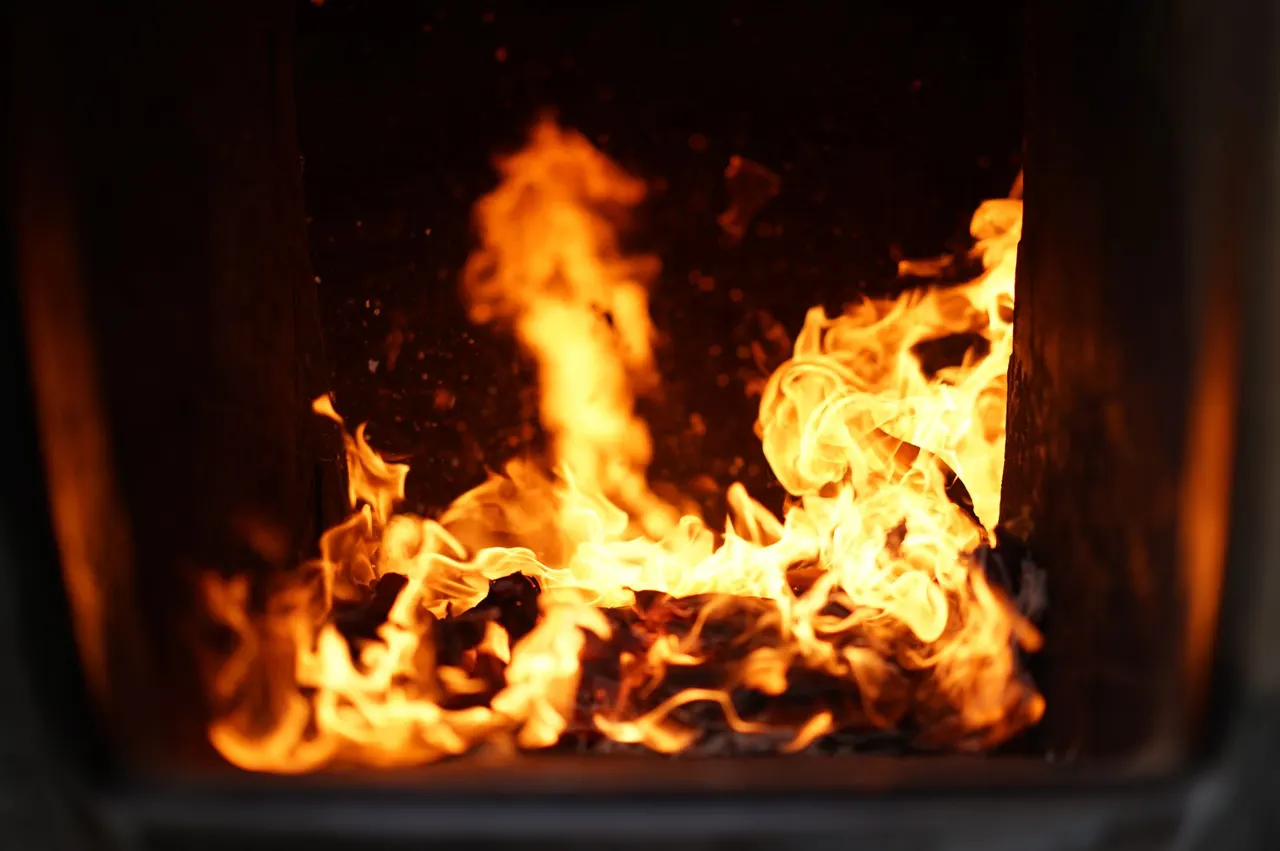
Exit the building and phone Xcel Energy or 911 first. We inspect the equipment only after responders clear the home.
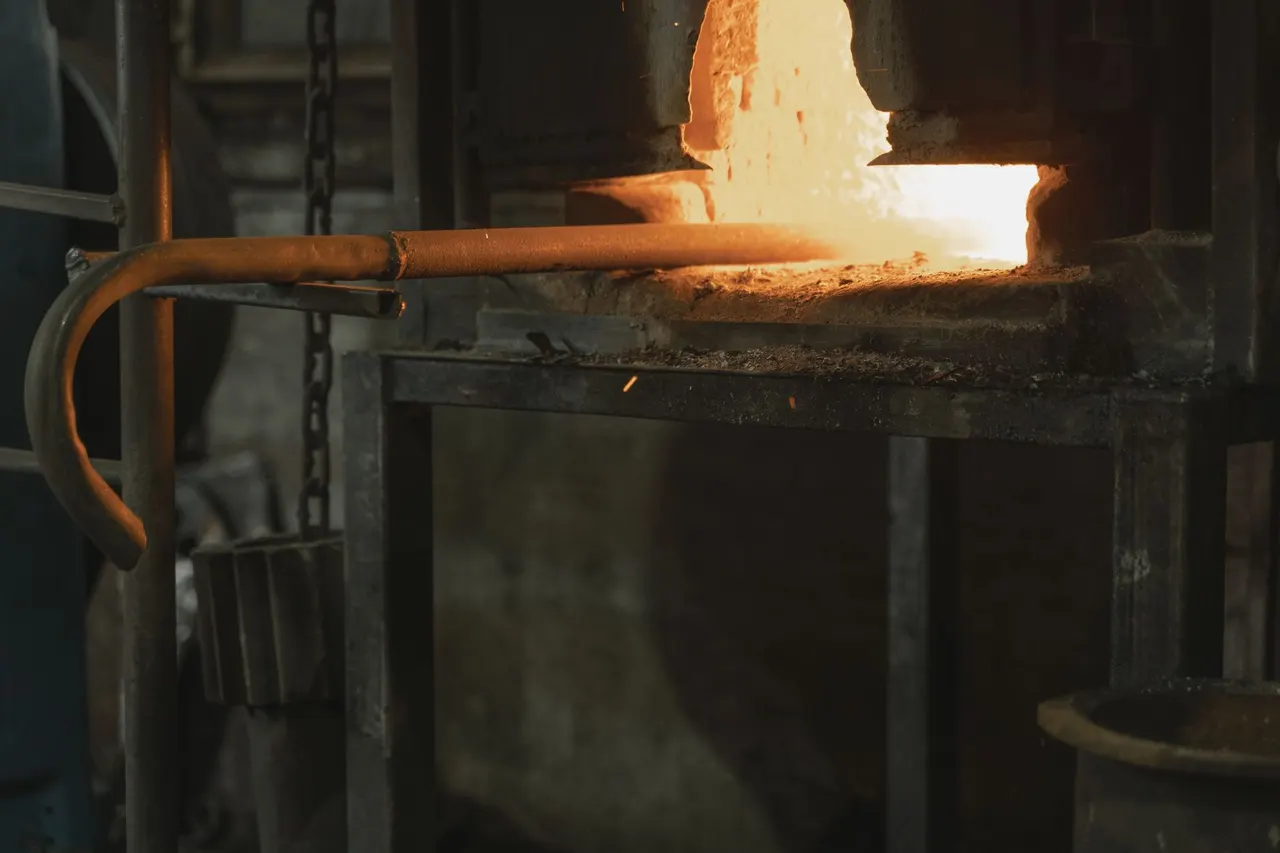
We look at the igniter, valve and flame signal to see which part is not doing its job.
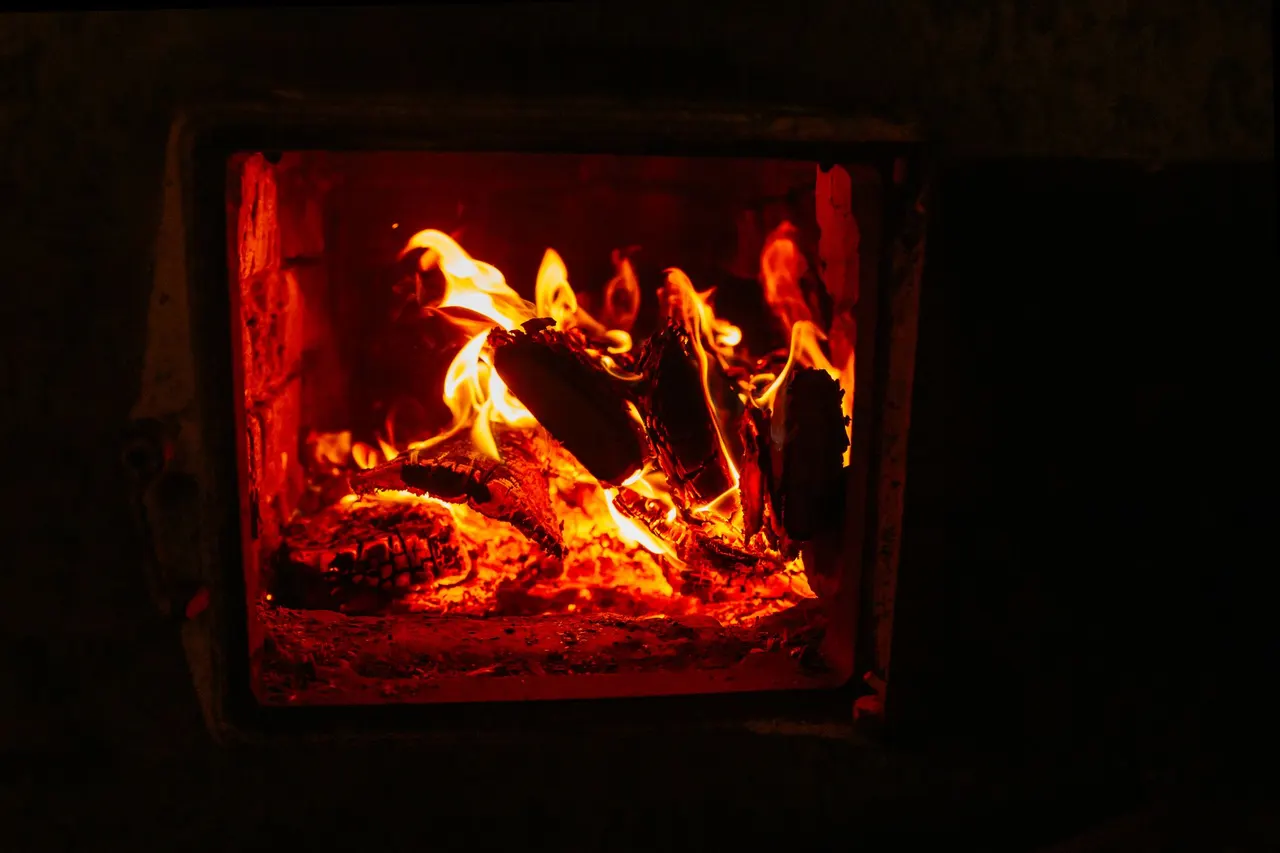
A coated sensor, restricted airflow or a limit trip can all drop the flame, so each is checked.
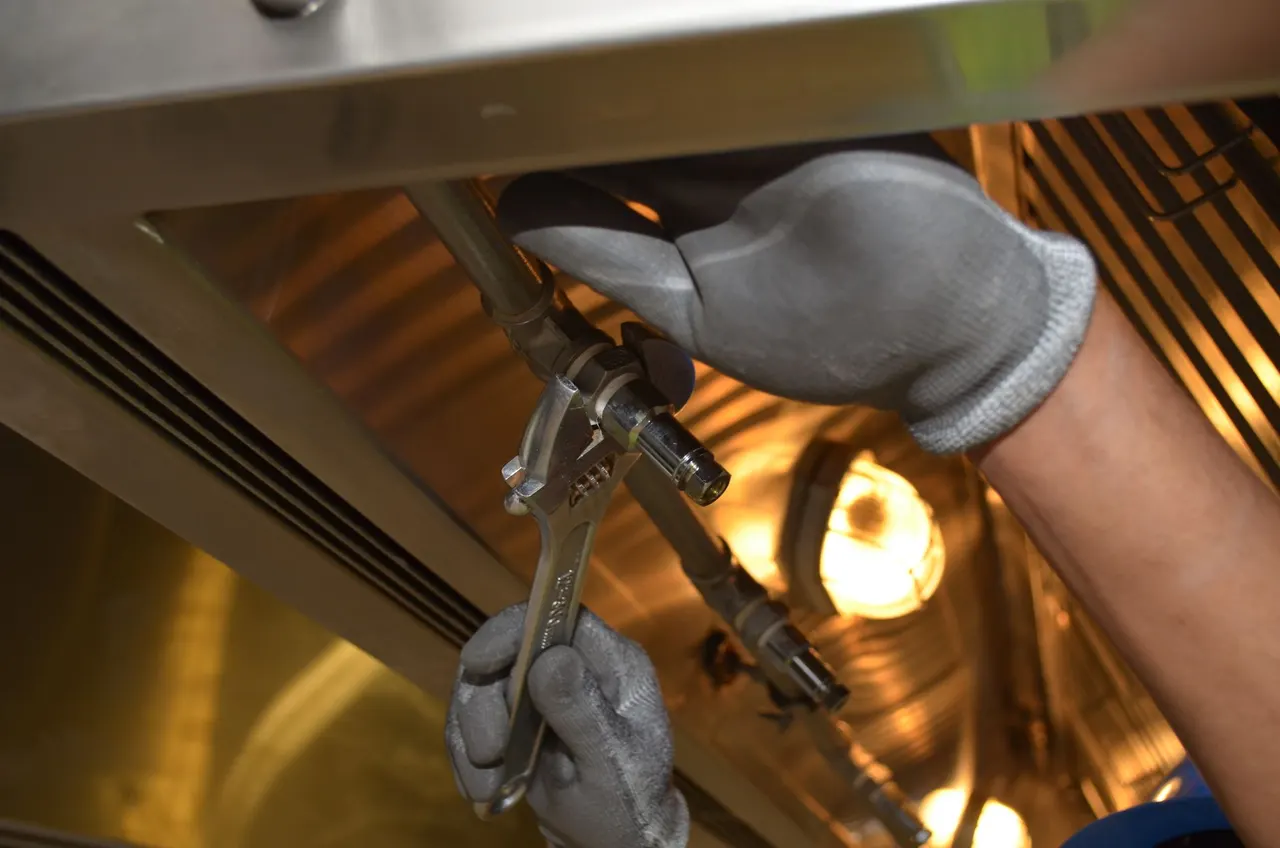
Wheat Ridge calls come from postwar ranch homes, basement mechanical rooms and neighborhood businesses.
Older houses reward careful testing, especially of ducts and venting, before any equipment is replaced.
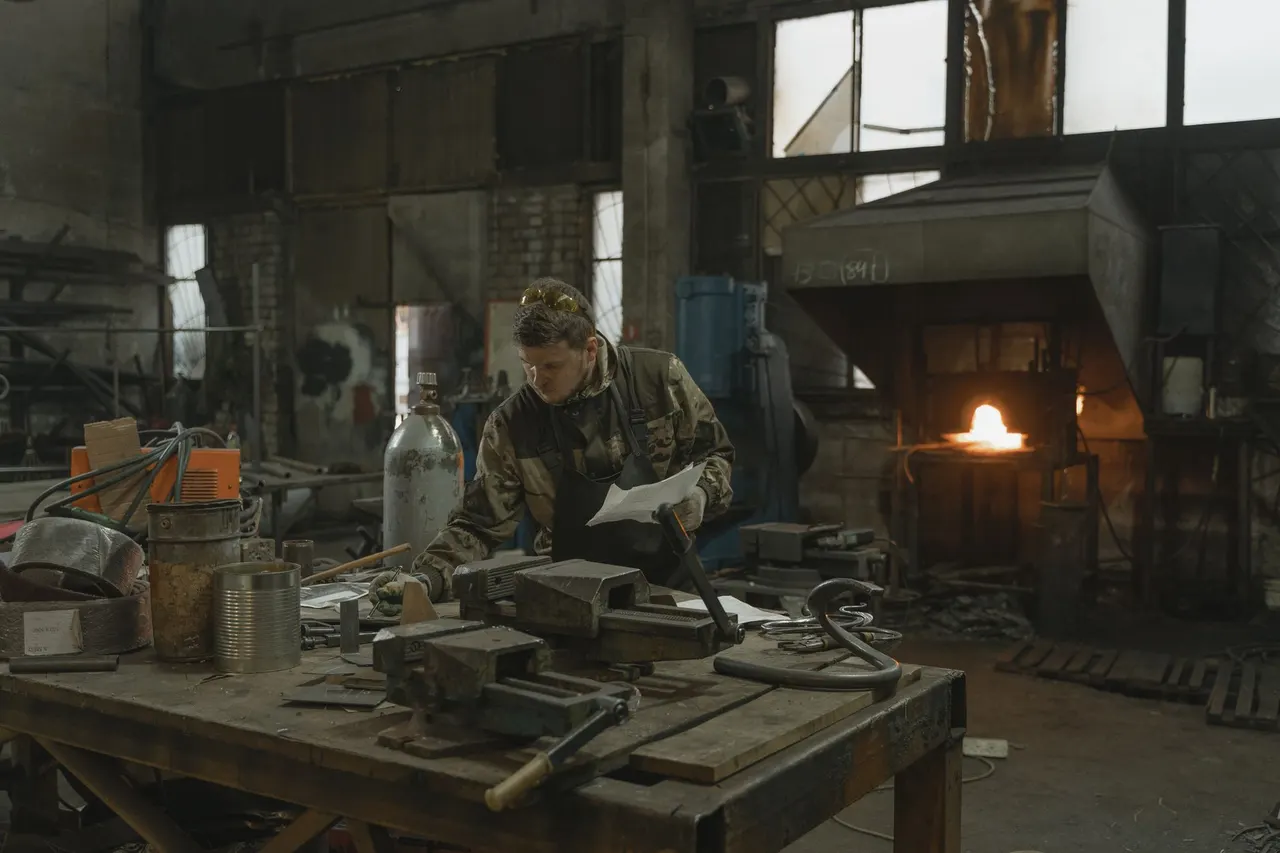
Shops and offices along the corridors rely on rooftop and suspended heaters that must run on cold mornings.
The city's housing age shapes which repairs come up most often.
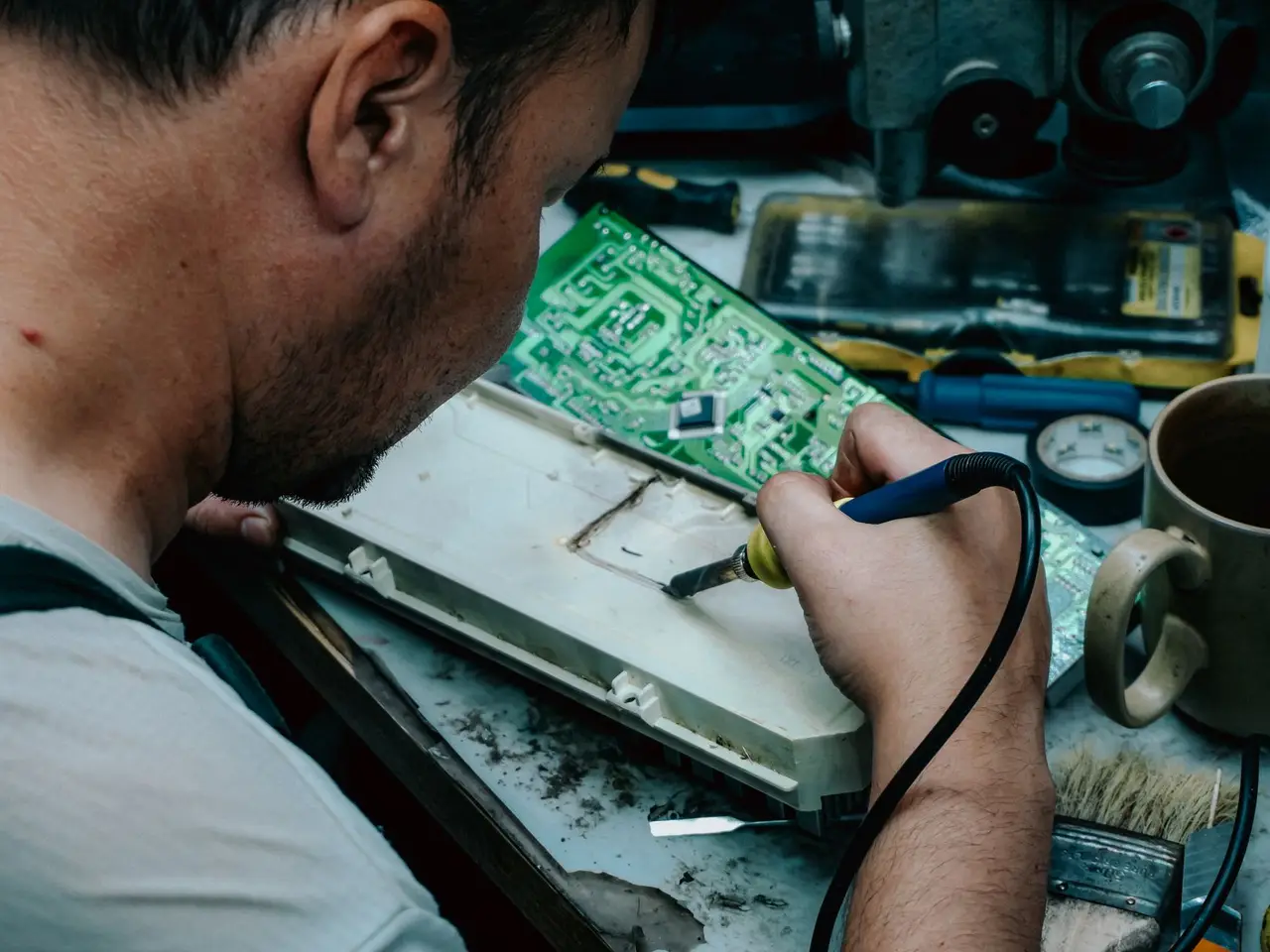
Original duct runs from decades ago can leak, collapse or be poorly balanced.
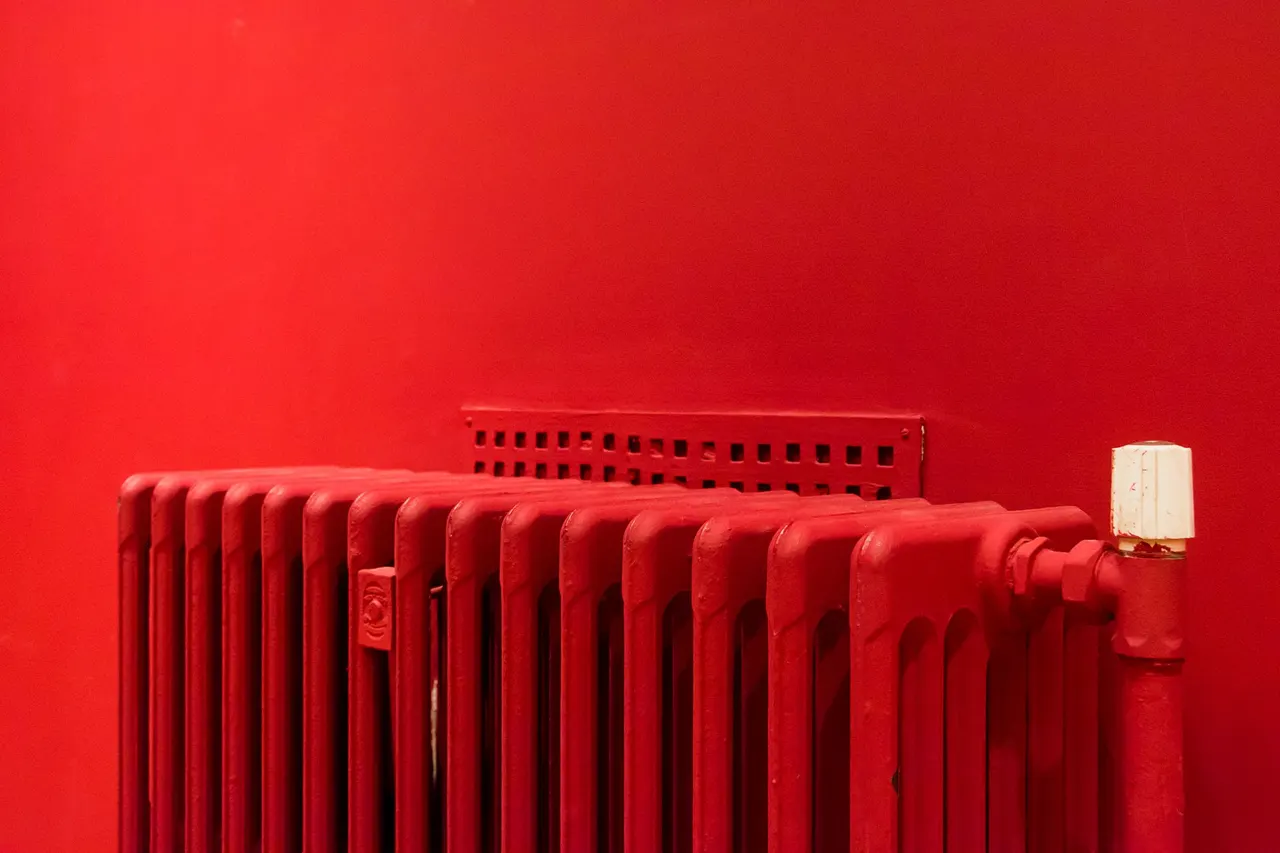
Basement venting and condensate can rust older flues.
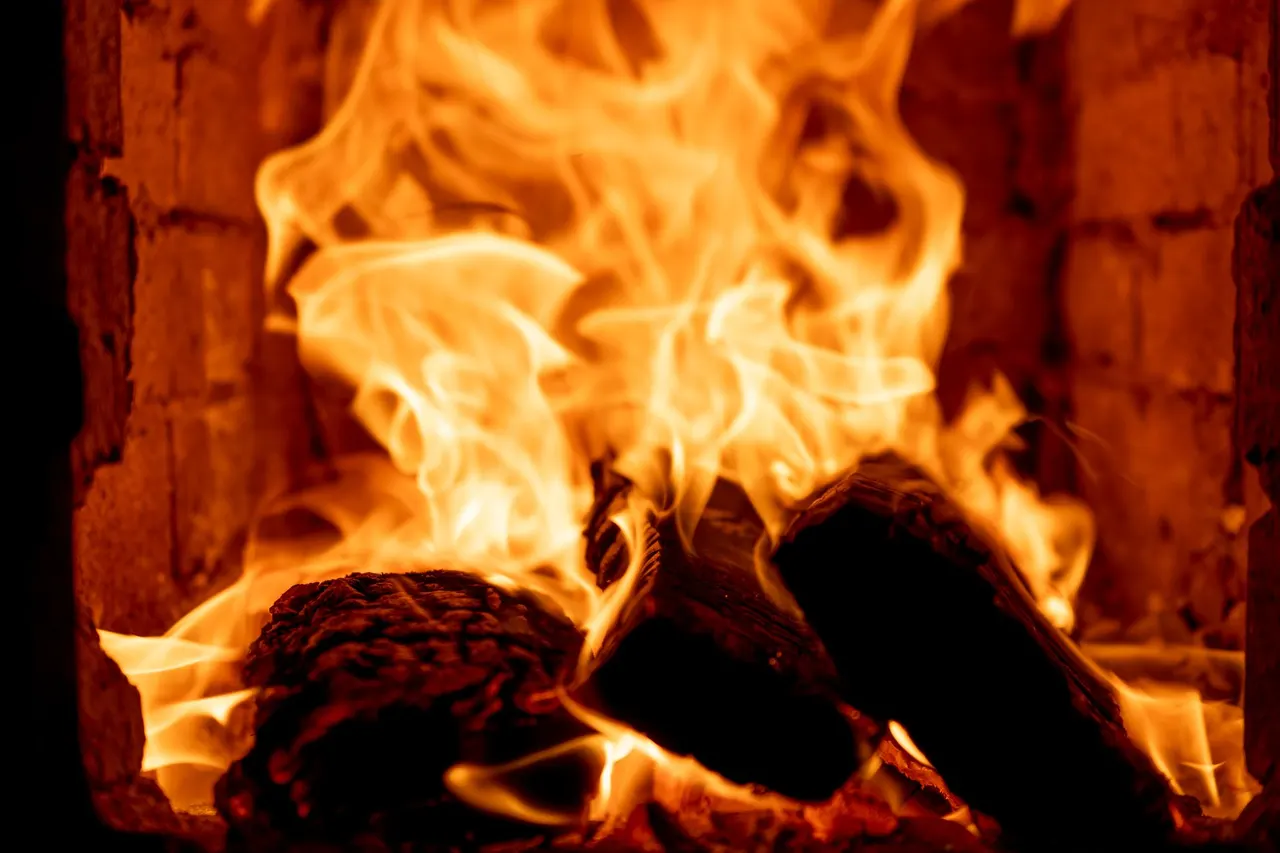
Decades of use wear out bearings and capacitors.
Old wall units and wiring can send weak or intermittent signals.
A cold room, rusty flue or a long-running furnace are the usual signals in Wheat Ridge homes.
Any one of these is worth a call.
Nothing picked yet. Tap the signs you have noticed and this box will sum them up.
There is no price list here, because every job is different. These are the things that move an estimate most.
Older models can require parts that take time to locate.
Crawlspaces, tight basements and modified ducts add labor.
A replacement involves a city permit and an inspection, which are part of the project cost.
These references help our dispatcher and technicians place an address quickly.
Landmark
Home to the August Carnation Festival, and a handy marker for finding nearby streets.
Landmark
Preserves the James H. Baugh House and recalls the city's farming past.
Landmark
A well-known lake that helps orient addresses.
Landmark
The creek and its trail run through the city.
Landmark
One of several lakes in the city, useful for orienting addresses nearby.
Commercial area
Retail strips and offices depend on roof-mounted and ceiling-hung units that benefit from yearly servicing.
Commercial area
Small shops and service businesses often have older heaters in back rooms.
Transit
The main east-west interstate through the city.
Not listed? Call and we will tell you whether we can get to you.
Check my areaFront Range weather swings widely, so timing helps.
Straight answers to what people ask first.
Yes. The city lists furnace, boiler and water heater replacement among the work that requires a building permit, submitted through the OpenGov portal.
Inspections are requested and tracked through the same OpenGov portal, where the results also appear.
The cause is often duct related, such as a collapsed run or a closed damper, though a weak blower can contribute. We measure airflow to find out.
Sometimes. We weigh the repair bill against the unit's age and the state of its heat exchanger, then leave the choice to you.
If one room stays cold, the furnace will not light or the system is running without warming the house, phone us. We diagnose first, show you the cause and agree the cost before any repair.
Call (983) 200-5821 and describe the problem: a cold house, burners that light and go out, a flashing LED or a new sound. Keep your street address handy so we can confirm your county. For planned work such as yearly maintenance or pricing a new furnace, the contact form works too.