
Glendale residents and landlords
Renters want heat quickly and owners want repairs that hold, so we explain each fix to both.
- Coordinated access
- Written summaries
- Seasonal planning
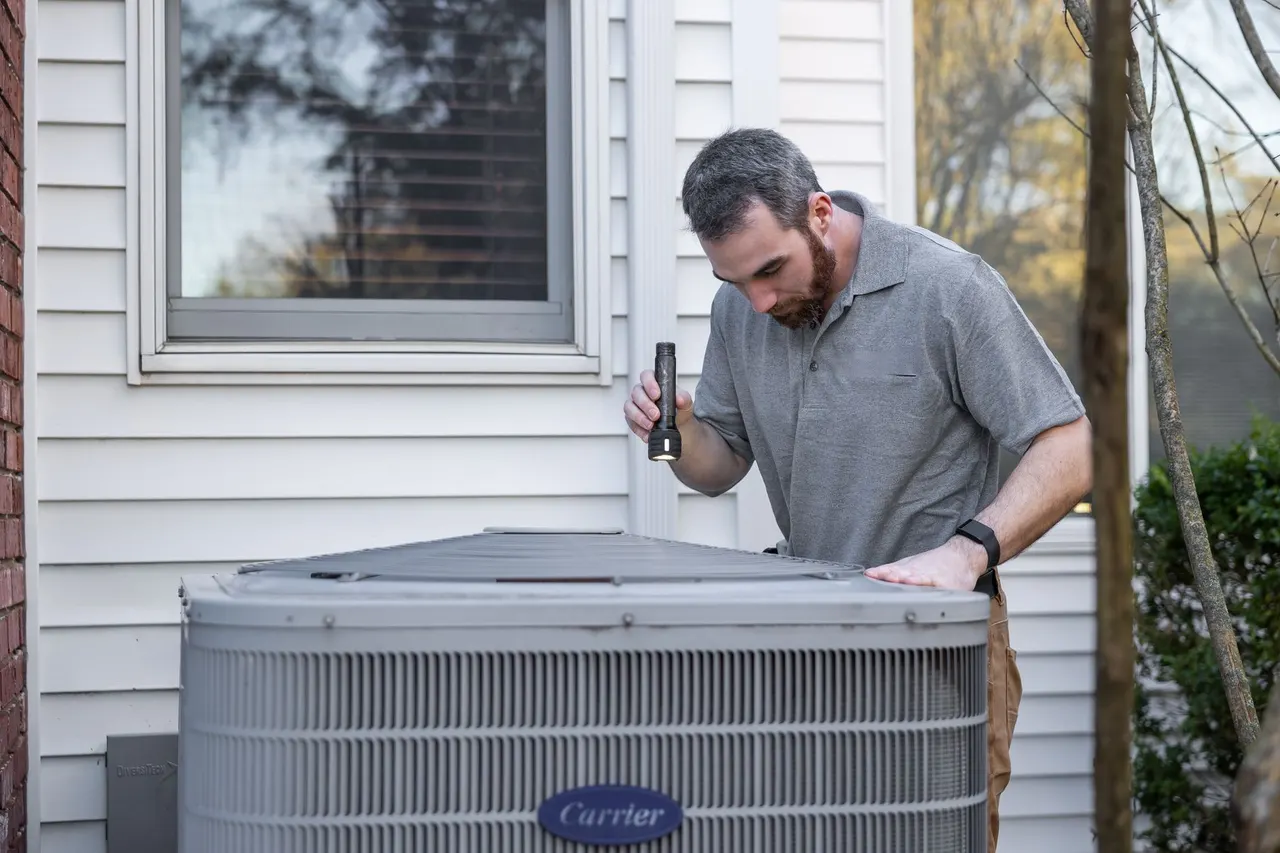
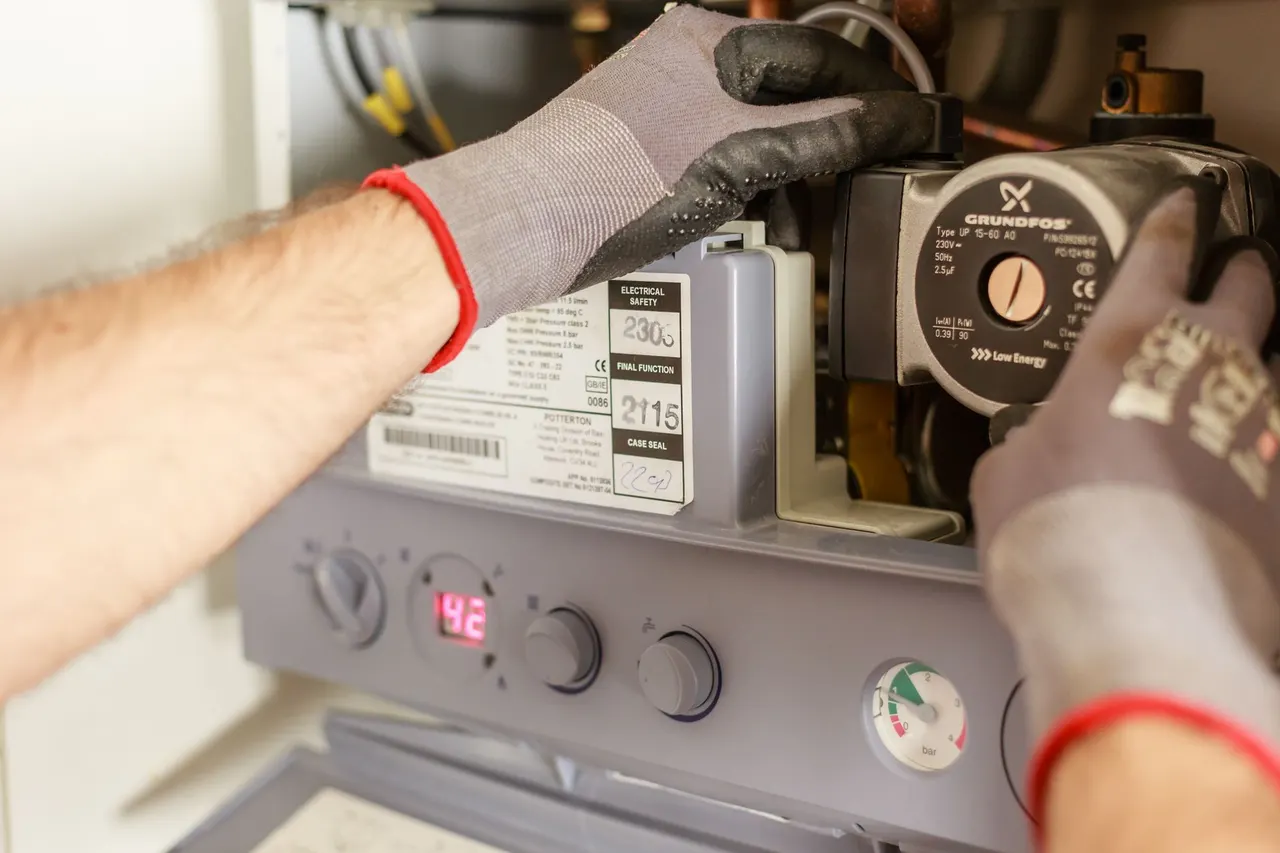
Furnace Repair in Glendale is mostly work on multi-unit buildings: closet furnaces in apartments and condos, plus heaters for offices and restaurants. We find the cause, explain it to the resident or the manager and give the price in advance. For heater repair in Glendale, call (983) 200-5821.
Littleton, Colorado
Serving Glendale apartments, condos and offices
Glendale is a small city with an unusual profile. It covers a little over half a square mile, is entirely surrounded by Denver and has more than 4,600 residents, which makes it the most densely populated municipality in Colorado.
Settlers passed through the Cherry Creek valley along the Cherokee Trail in 1859, the Glendale Grange organized in 1896 and the town incorporated in 1952, partly out of concern about annexation by its larger neighbor. Today almost all housing is multi-family, more than 80 percent of residents rent and many buildings date from the 1970s.
Infinity Park, with its rugby stadium, sits beside the municipal offices, and the Cherry Creek Trail passes through. For heating, this means small furnaces serving single apartments, closets that are crowded and landlords who need quick, reliable repairs. We approach each call by testing the unit, explaining the fault to whoever is responsible and giving a firm price.
Glendale lies a quick trip from our Littleton base, and its compact layout means one outing can cover several calls. Renters want their heat restored quickly, owners want a repair that lasts and property managers want clear documentation, and we plan visits with all three in mind.
Good to know in Glendale
Residents, owners and managers each have a stake, and access often has to be arranged in advance.
Large complexes built in past decades often have many identical in-unit furnaces that wear on the same schedule.
Limited space and shared walls make heat buildup, restricted airflow and noise more likely.
These services are shaped by Glendale's apartments, condos and commercial buildings, where space is tight and repairs often involve more than one party.
In an apartment or condo, a cold unit can come from a tripped switch, a thermostat issue or a furnace that has locked out.
Gas odor or a CO alarm in a multi-unit building affects neighbors too, so everyone leaves and Xcel Energy or 911 is called from outside.
Small closet furnaces are often asked to start many times a day. Igniters wear, valves stick and sensors foul, so we test each link of the ignition chain instead of guessing.
A furnace in a tight utility closet can overheat if its filter is restricted, which then shuts the burners off early.
Weak airflow in a small unit is often a motor, capacitor or dirty blower wheel. We clean and test them, and we measure what the blower actually delivers.
Programmable and smart thermostats in rental units can be set wrong or lose connection. We verify settings and wiring, then test the control board if the signal is good.
Noise carries through shared walls, so a furnace that bangs or whistles is noticed quickly. We trace the source and fix it so residents are not disturbed.
Property managers and owners can plan seasonal checkups across several units. Each visit covers cleaning, combustion readings, safety tests and a new filter.
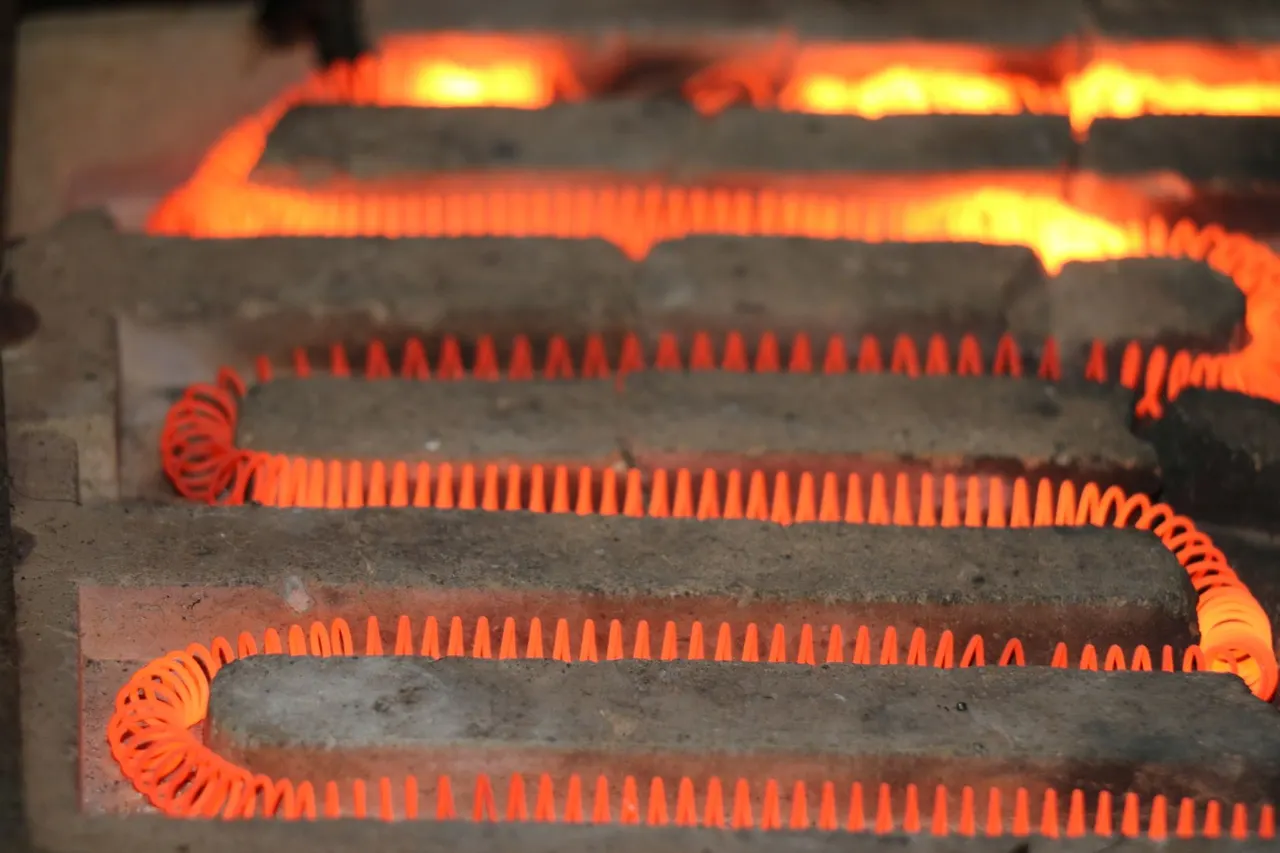
Some units use electric heat instead of gas. We test elements, relays, sequencers and breakers to find the one component that stopped working.
Glendale's office buildings, restaurants and shops need their heaters to run on weekdays and during events. We work around business hours and note each unit's condition for the owner.
We explain this before any equipment is ordered.
Pick a service to see how we approach it here.
We work from thermostat to burners, testing each step, then report the fault to the resident or manager.
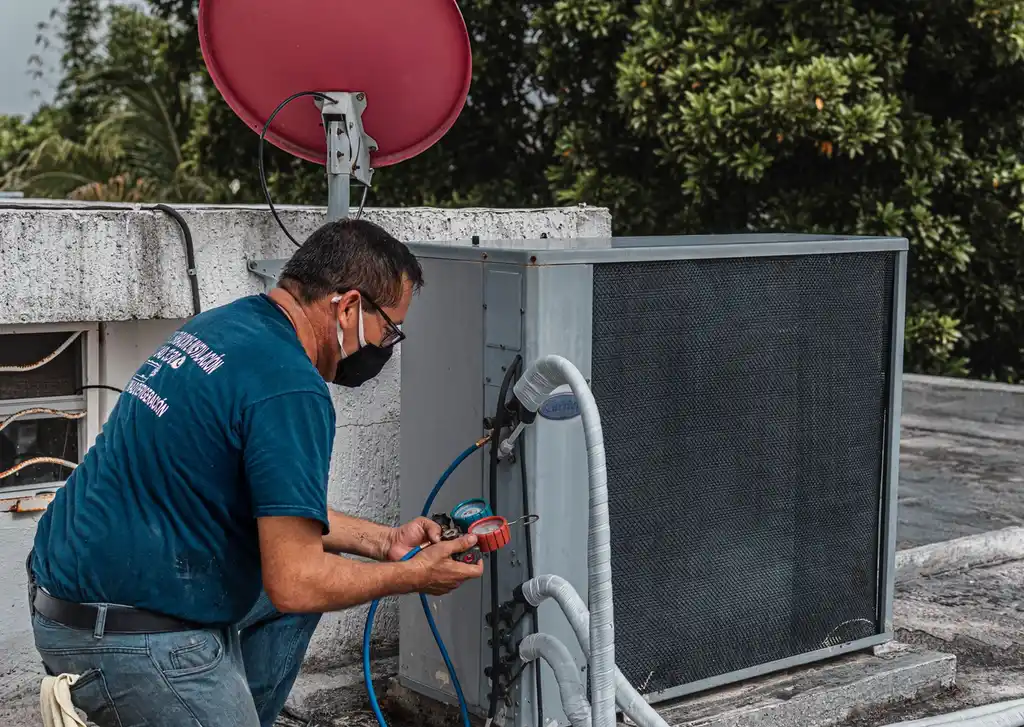
Everyone exits and Xcel Energy or 911 is called first. Equipment is examined only after responders clear the building.
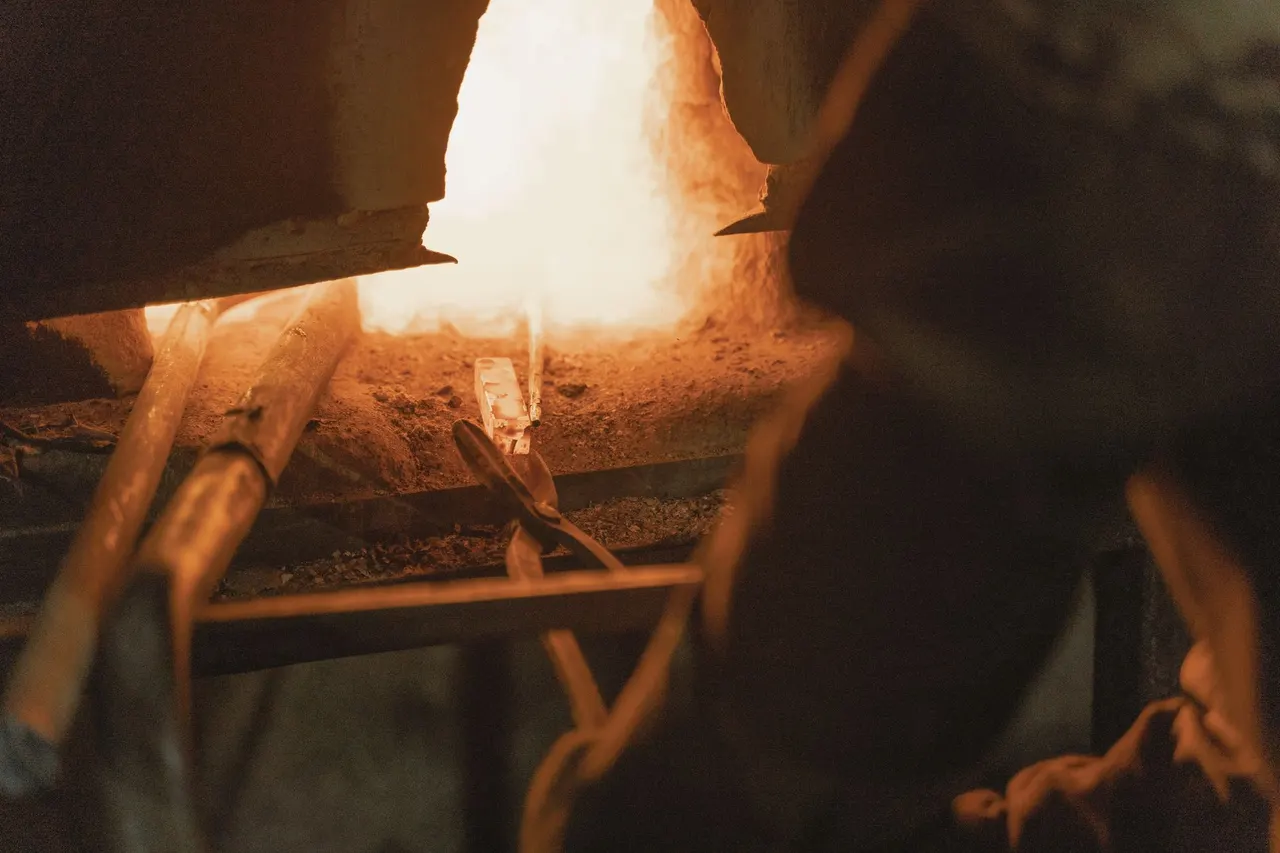
Igniter, valve and sensor are tested in order to find the weak link.
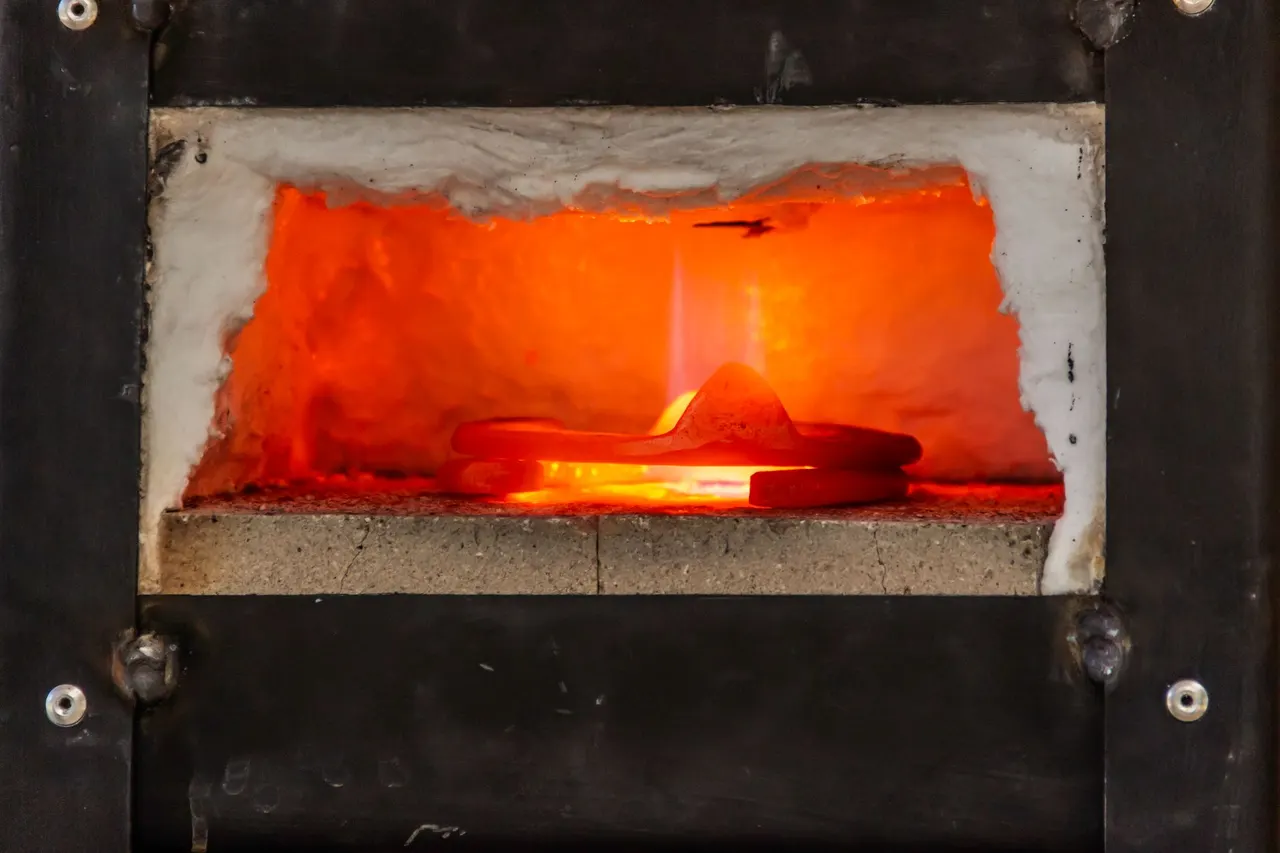
Overheating in a closet is often behind the problem, so we check filter, sensor and limit switch.
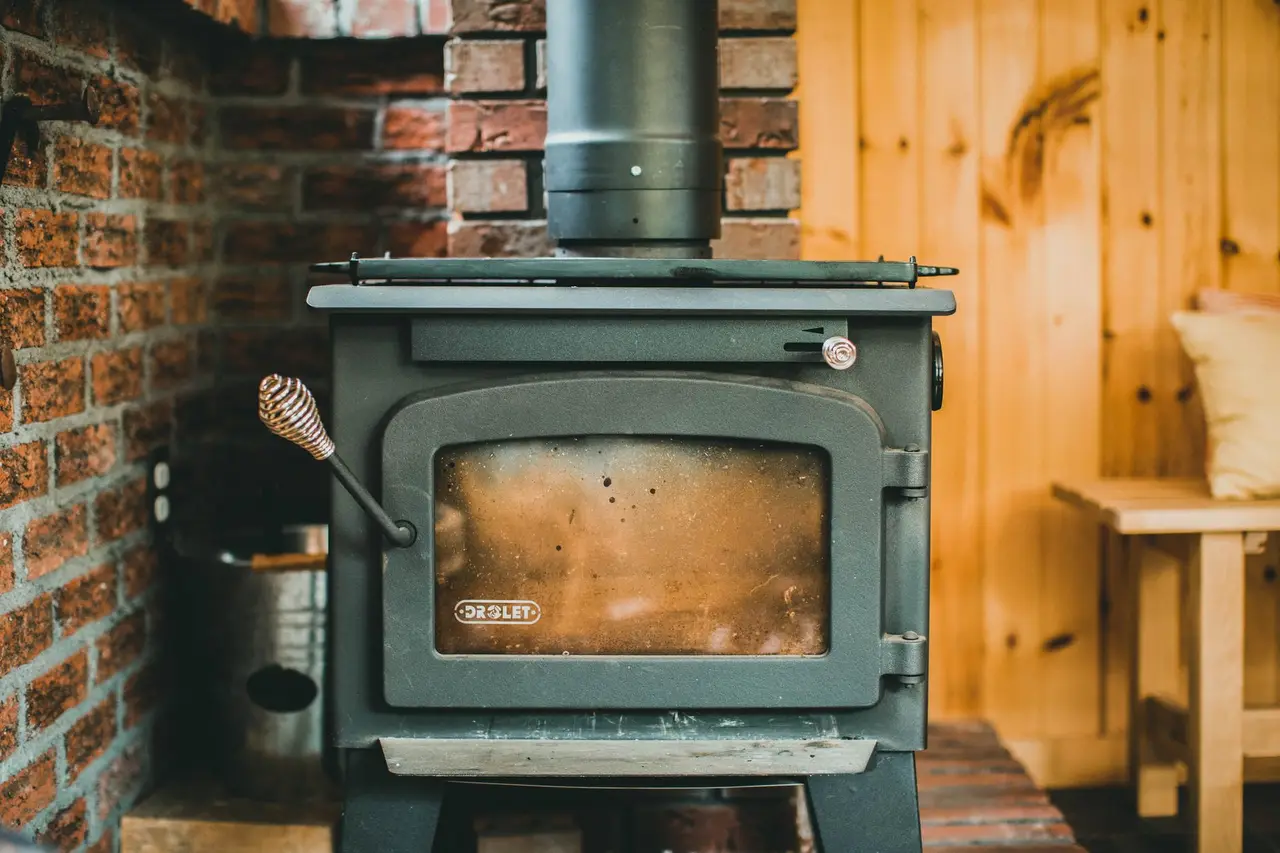
Glendale work centers on apartment closets, condo furnaces and small commercial spaces.
Renters want heat quickly and owners want repairs that hold, so we explain each fix to both.
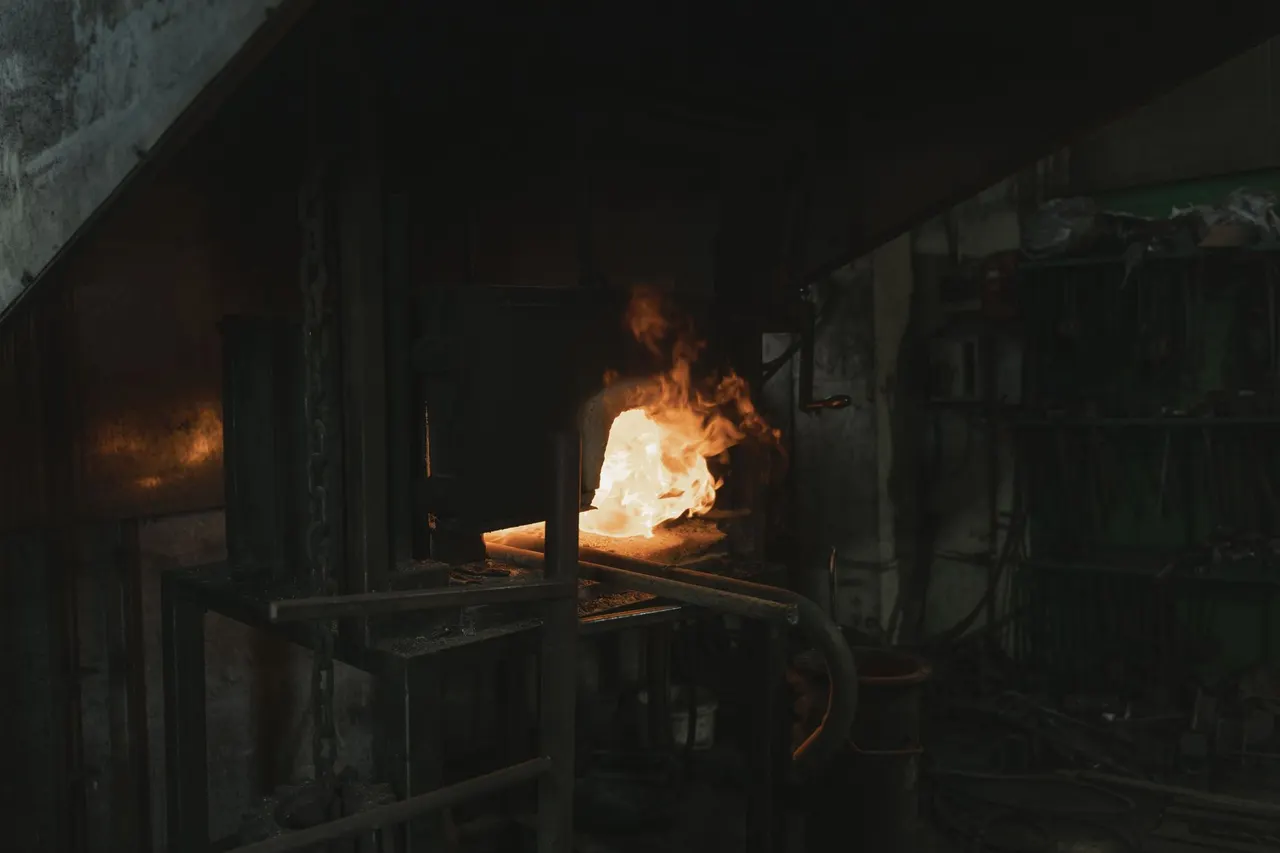
Businesses in the dense commercial blocks depend on heat that works during service hours.
Building type and usage drive the faults we see most.
High turnover means maintenance can slip.
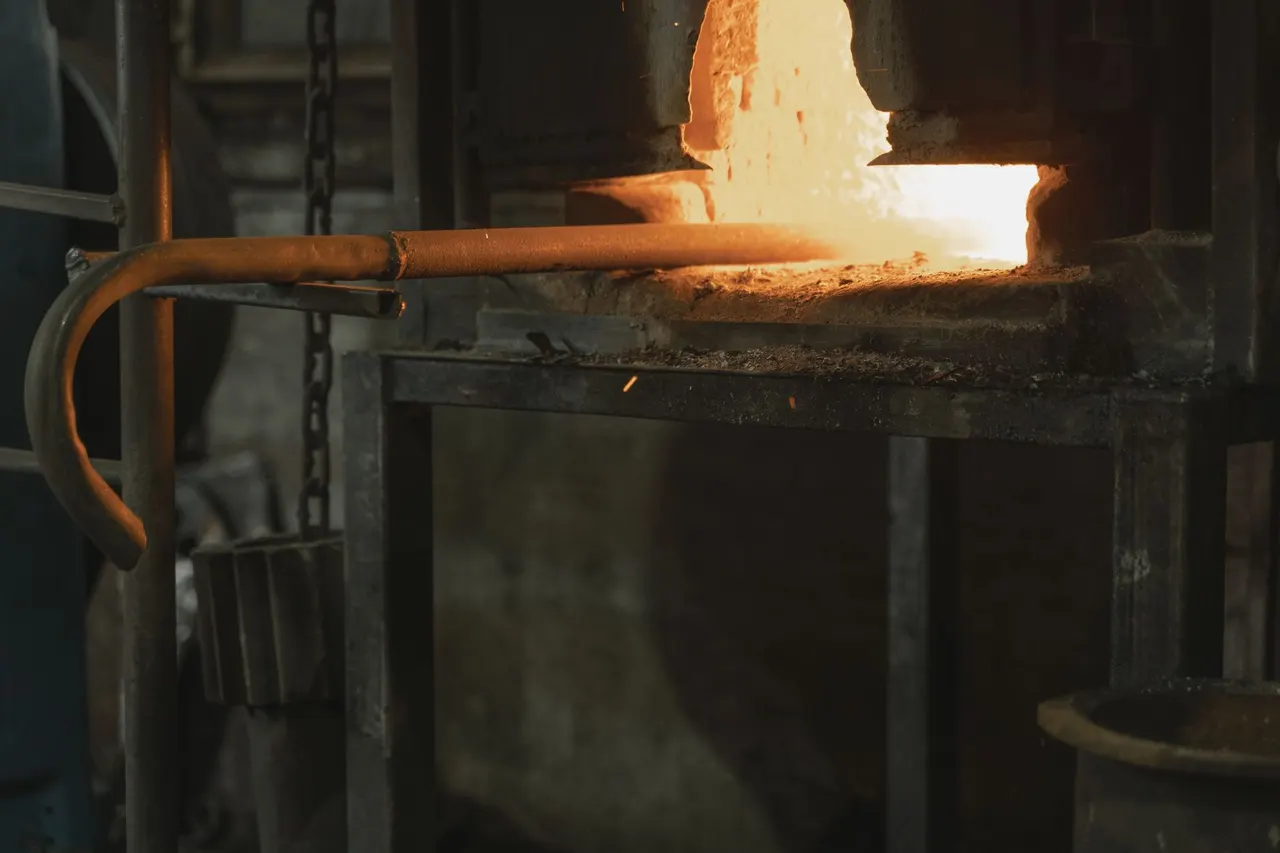
Cramped enclosures restrict airflow and trip the limit switch.
Small furnaces start and stop many times a day.
Tenant adjustments and older wiring cause lost signals.
Rapid cycling, startup bangs and units that never reach temperature are the typical warnings in Glendale.
Any one of these is worth a call.
Nothing picked yet. Tap the signs you have noticed and this box will sum them up.
There is no price list here, because every job is different. These are the things that move an estimate most.
Older complex-wide equipment may depend on scarce replacement parts.
Arranging entry with tenants or managers can add time.
Glendale is easy to place on a map because it is surrounded by Denver, and these landmarks help with directions.
Landmark
A 16-acre park with a 4,000-seat rugby stadium next to the municipal buildings.
Landmark
A green corridor that runs through the city along Cherry Creek.
Landmark
The civic center on South Birch Street, near the park and the courthouse.
Landmark
A historic park just outside the city limits, home to a house built in 1859.
Landmark
A major street that has marked the area since the 1920s and helps people find their way.
Commercial area
Restaurants, shops and offices rely on rooftop or suspended heaters that must be ready each season.
Commercial area
Ground-floor businesses share buildings with apartments, so heating schedules overlap.
Transit
A major north-south street that runs past the city.
Not listed? Call and we will tell you whether we can get to you.
Check my areaA rental-heavy city benefits from planned seasonal service.
Glendale sits among other communities we cover from the same base.
Straight answers to what people ask first.
The city prefers electronic submittals, either through its online fillable application or by email to the Building & Permits Department.
That depends on the lease and on state and local rules, so tenants should contact their landlord or manager. We can describe what failed so everyone has the same facts.
Frequent causes include a clogged filter, a sooty sensor or a tripped limit switch, particularly in a closet. Testing identifies which.
If your apartment, condo or office has no heat, a noisy furnace or a unit that keeps shutting off, get in touch. We run the diagnosis, explain the fault and settle the price before starting.
Call (983) 200-5821 and describe the problem: a cold house, burners that light and go out, a flashing LED or a new sound. Keep your street address handy so we can confirm your county. For planned work such as yearly maintenance or pricing a new furnace, the contact form works too.