Condo and Townhome Furnaces in Littleton: Closets, Venting and HOA Rules
Replacing a furnace in an attached home takes more than swapping a unit. See what closets, venting and HOA approval require, and what it costs.
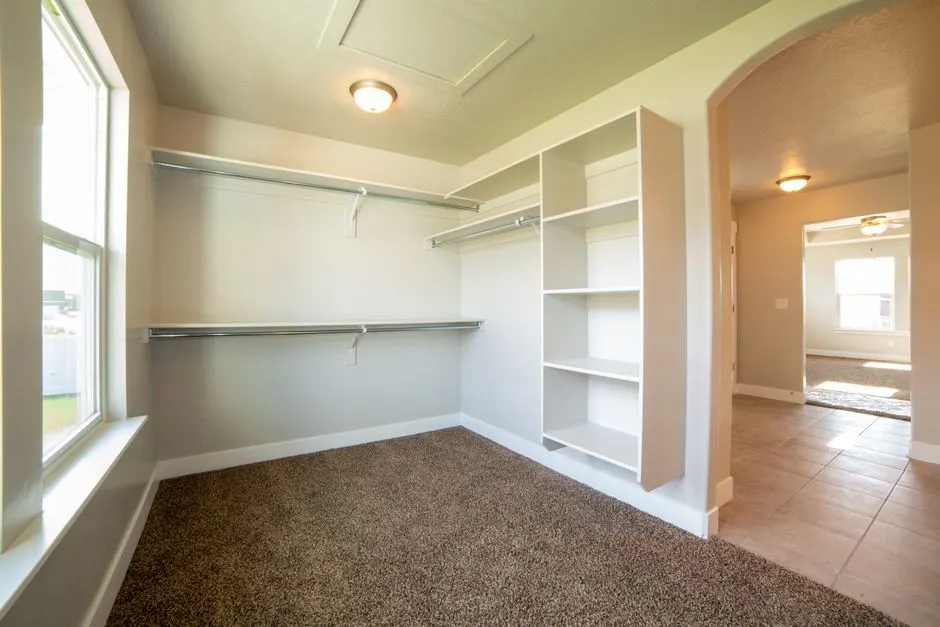
A condo or townhome furnace in Littleton can usually be replaced in about one day, but it needs three things lined up first: a closet that meets the new unit's clearance and combustion air needs, a vent path that fits the building, and written approval from your HOA if your documents require it. Start with your association's rules, then confirm the closet and venting with a technician before you buy equipment. The sections below walk through each piece in that order.
What is a condo or townhome furnace setup?
A condo or townhome furnace setup is a heating system installed in an attached home, typically tucked into a hall closet, a laundry nook or a small mechanical room, that shares walls, venting routes or utilities with neighboring units. The furnace itself is the same equipment found in a house. The building around it is what changes the job.
That building adds limits you will not face in a detached home. Space is tight, the vent has to travel through shared structure, and the association may have a say in how and when the work happens.
Who pays for the furnace, you or the HOA?
The unit owner typically pays for a furnace that serves only one unit, but your governing documents have the final word. Look for the declaration or CC&Rs and the section on "owner responsibilities" or "limited common elements." Townhomes often put the furnace on the owner. Some condo buildings use a shared boiler or a rooftop system managed by the association.
Read two things before you call anyone: who owns the equipment, and whether the association requires approval for work inside or on the building exterior. A thirty-minute read of the documents can save a reinstall.
What does a furnace closet need to meet code?
A furnace closet needs enough room around the unit for service access and safe clearances, plus a way to bring in air for combustion. The label on the new furnace lists the minimum distances to walls, shelves and any combustible material, and those numbers are the ones that count.
These are the closet items we check on every attached-home job:
- Clearance to combustibles. Stored boxes, paint and cleaning supplies do not belong in a furnace closet.
- Combustion air. A closed closet may need two openings, one high and one low, or a sealed-combustion furnace that draws air through its own pipe.
- Service space. The technician must be able to pull the blower and reach the control board.
- Drainage. A high-efficiency unit needs a place to send its condensate.
- Door and louvers. Solid doors on a closet without openings can starve the furnace of air.
Replacing a furnace with a different size or efficiency can change every one of these requirements, so we do not assume the old setup is still right.
How is a condo furnace vented?
A condo furnace is vented either through a metal flue to the roof or through plastic pipe out a side wall, and the efficiency of the unit decides which. An 80% furnace commonly uses a metal vent. A 95% furnace commonly uses two plastic pipes, one for fresh air and one for exhaust, and it creates liquid condensate that must drain away.
In an attached building, that distinction matters because moving from 80% to 95% can mean a new vent route through a wall or roof. Associations often have rules about changes to the exterior, and the new exhaust termination must also sit clear of windows and neighboring intakes. That is why a venting survey comes before any quote.
Does Littleton's altitude change the furnace you can use?
Littleton sits at roughly 5,400 feet, and gas furnaces lose heating capacity as air thins, so equipment must be rated or adjusted for the elevation. Gas appliances above roughly 4,000 to 5,000 feet generally must be derated unless the model is certified for high altitude, and installers follow the instructions for the specific unit.
That is one more reason not to buy a furnace online and expect a handyman to hang it. The burner settings, the gas pressure and the vent size all have to match the unit and the elevation.
What HOA approval can you expect?
Many associations ask for a short notice before a contractor starts, and some ask for proof of liability insurance, limits on work hours and a plan for using hallways or elevators. The details come from your documents and your management company, so call them first.
A simple approval packet saves time:
- The contractor's insurance certificate, if your association asks for one.
- A short description of the work, including any exterior vent or wall penetration.
- The planned work date and the expected duration, which is usually one day for a same-size swap.
- The location of the closet and how the old unit will leave the building.
Submit this early. Boards that meet monthly can delay a project by weeks, and a furnace that fails in January should not be waiting for a meeting. If you want to read about the full replacement process, see Furnace Replacement in Littleton.
What does condo furnace replacement cost in 2026?
Typical 2026 pricing for a condo or townhome furnace replacement runs about $2,000 to $5,000 for a same-size gas swap and about $6,000 to $10,000 when the vent has to change. Those ranges are broad because the closet, the vent route and the efficiency level move the number.
Three items often surprise owners. Permit and inspection costs can range from $200 to $2,000 depending on the jurisdiction and scope. Association fees for access, deposits or elevator use can add $100 to $1,000 or more. And closet work, such as adding louvers or relocating a drain, adds labor. Getting three itemized bids is a sound habit.
What about electric furnaces in condos?
An electric furnace is common in attached buildings that have no gas service, and it avoids the venting question completely. It does need a dedicated circuit large enough for its heating elements, and that can be the limiting factor in an older building. Our Electric Furnace Repair in Littleton page covers how we diagnose elements, relays and breakers.
If you are weighing electric against gas for a conversion, expect higher project costs than a straight swap, since the gas line, the vent and the permit all change.
Attached homes around Littleton
Townhome and condo communities are spread across the south metro, and the rules differ from one association to the next. Whether you live in Lone Tree or Littleton, the first call goes to your management company, and our Furnace Repair in Lone Tree page explains how we handle service there.
The same questions apply in Glendale: where is the closet, how does the unit vent and what does the association require. Our Furnace Repair in Glendale page shows how we work there.
Common mistakes with condo and townhome furnaces
Most condo furnace problems start with an assumption that the old setup is still correct. Watch for these:
- Ordering equipment before checking the closet. A larger or taller unit may not fit.
- Skipping HOA notice. A halted job costs more than a short email.
- Storing items in the furnace closet. Boxes next to a burner are a fire risk.
- Ignoring the condensate drain. A blocked drain shuts a high-efficiency unit off.
- Letting a neighbor's fix set the standard. A vent that worked next door may not fit your layout.
When to call a professional
Call a professional before you sign an HOA approval form or order a furnace, because the closet and the vent route decide the price and the paperwork. Furnace Repair Littleton Pros looks at the closet, traces the vent path and hands you a written scope for your board.
If your furnace is already down and the house is cold, tell us when you call. A gas odor means everyone steps outside, and the call for help happens from the sidewalk.